

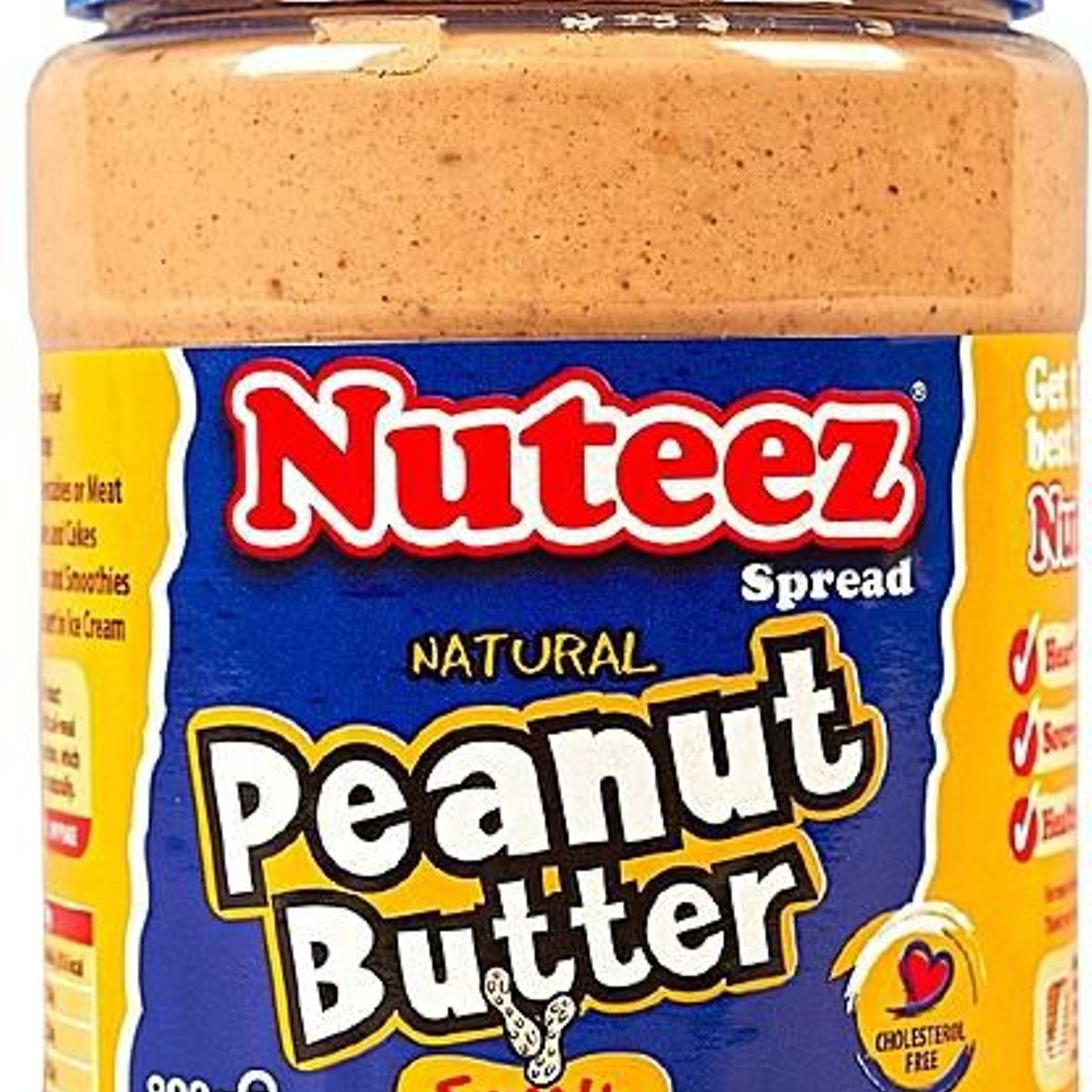
Peanut butter is often hailed as a dietary staple, an irresistible blend of protein, healthy fats, and a touch of nostalgia, evoking images of childhood sandwiches and after-school snacks. Yet, lurking beneath its delicious veneer, there exists a spectrum of concerns regarding the presence of certain ingredients that could jeopardize not just health but also safety. Chief among these concerns is xylitol, a sugar alcohol commonly employed as a sweetening agent in various food products. While xylitol is a beloved alternative for those seeking to reduce sugar intake, it harbors lethal consequences for our canine companions and warrants careful scrutiny when it comes to peanut butter brands.
As we delve into the world of peanut butter, it becomes essential to distinguish the brands that incorporate xylitol into their formulations. To navigate this treacherous terrain effectively, let us embark on an evaluative journey, meticulously dissecting the landscape of peanut butter products to unearth those that contain xylitol.
The Nature of Xylitol
Before converging on specific brands, it is prudent to understand what xylitol is and why it garners scrutiny. Xylitol is a naturally occurring alcohol sugar extracted from various plant sources—primarily birch trees—and is prominently used as a low-calorie sweetener. It is lauded for its dental benefits and glycemic index advantages compared to traditional sugars. However, its perilous side effects emerge rapidly when ingested by dogs, triggering a cascade of insulin release that can lead to hypoglycemia and, in extreme cases, liver failure.
The Mysterious Allure of Peanut Butter
With its creamy texture and rich flavor profile, peanut butter captivates both the palate and the culinary imagination. From smoothies to baked goods, this versatile spread intertwines itself within the fabric of modern gastronomy. Yet, amid its allure lies the imperative for careful ingredient scrutiny. The enjoyment of peanut butter is diminished substantially when health hazards loom in the ingredients list.
Identifying Brands with Xylitol
To safeguard against the ingestion of xylitol through peanut butter, consumers must arm themselves with knowledge regarding specific brands. Some manufacturers have opted to enhance their products with this sweetener, thereby increasing the risk of accidental exposure. The following brands, while celebrated for their diverse flavor offerings, should be approached with caution:
- Nutiva Organic Coconut Peanut Butter – While primarily marketed for its coconut infusion, some flavor variations include xylitol).
- PB2 Peanut Powder – Certain flavored varieties incorporate xylitol to achieve a sweeter profile, raising red flags.
- Sweetener Enhanced Brands – Brands that prioritize sweetening with xylitol as a primary characteristic must be scrutinized. Bold marketing claims often retell tales of sugar-free bliss but obscure the lurking dangers.
Examining Ingredient Lists
A prudent measure in the prevention of xylitol ingestion is the diligent examination of ingredient lists. It stands as a fortress against unforeseen threats. Consumers should engage in meticulous label reading, knowing that xylitol is often masked under euphemistic phrases or creative branding. Look for terms like “natural sweeteners” or “sugar-free” as potential signals of danger.
The Ethical Responsibility of Consumers
When navigating the intricate labyrinth of food choices, consumers bear an ethical responsibility. The cavalier consumption of products containing xylitol can result not only in personal consequences but also unintended repercussions for beloved pets. An informed consumer can mitigate these risks dramatically through conscious choice-making.
Alternative Peanut Butter Options
For those wary of xylitol lurking in peanut butter products, myriad alternatives are available that prioritize safety without sacrificing flavor. Brands that firmly adhere to traditional formulations—using solely peanuts and a bit of salt—often represent the safest choices on supermarket shelves. Consider brands like Jif, Skippy, and Smucker’s Natural Peanut Butter, which eschew artificial sweeteners in favor of transparent ingredient integrity.
Creating Awareness and Fostering Conversations
In the age of social media and instant connectivity, creating awareness regarding the dangers of xylitol in peanut butter can yield significant societal benefits. Engaging in discussions within communities, sharing insights about food safety, and advocating for transparent labeling can empower consumers and promote a culture of conscientious consumption.
The Final Verdict
As we traverse through the tantalizing yet treacherous world of peanut butter, it becomes evident that not all jars equally reflect our ideals of health and safety. While xylitol can offer a sweet reprieve to some, it can render devastating consequences for others. Through careful examination of product labels and an understanding of the implications of ingredient choices, consumers can emerge as informed advocates for their culinary safety. The journey through the palate’s delight should not come packaged with the burdens of perilous ingredients but should instead celebrate the simple joy of wholesome, unadulterated peanut butter.

Leave a comment