

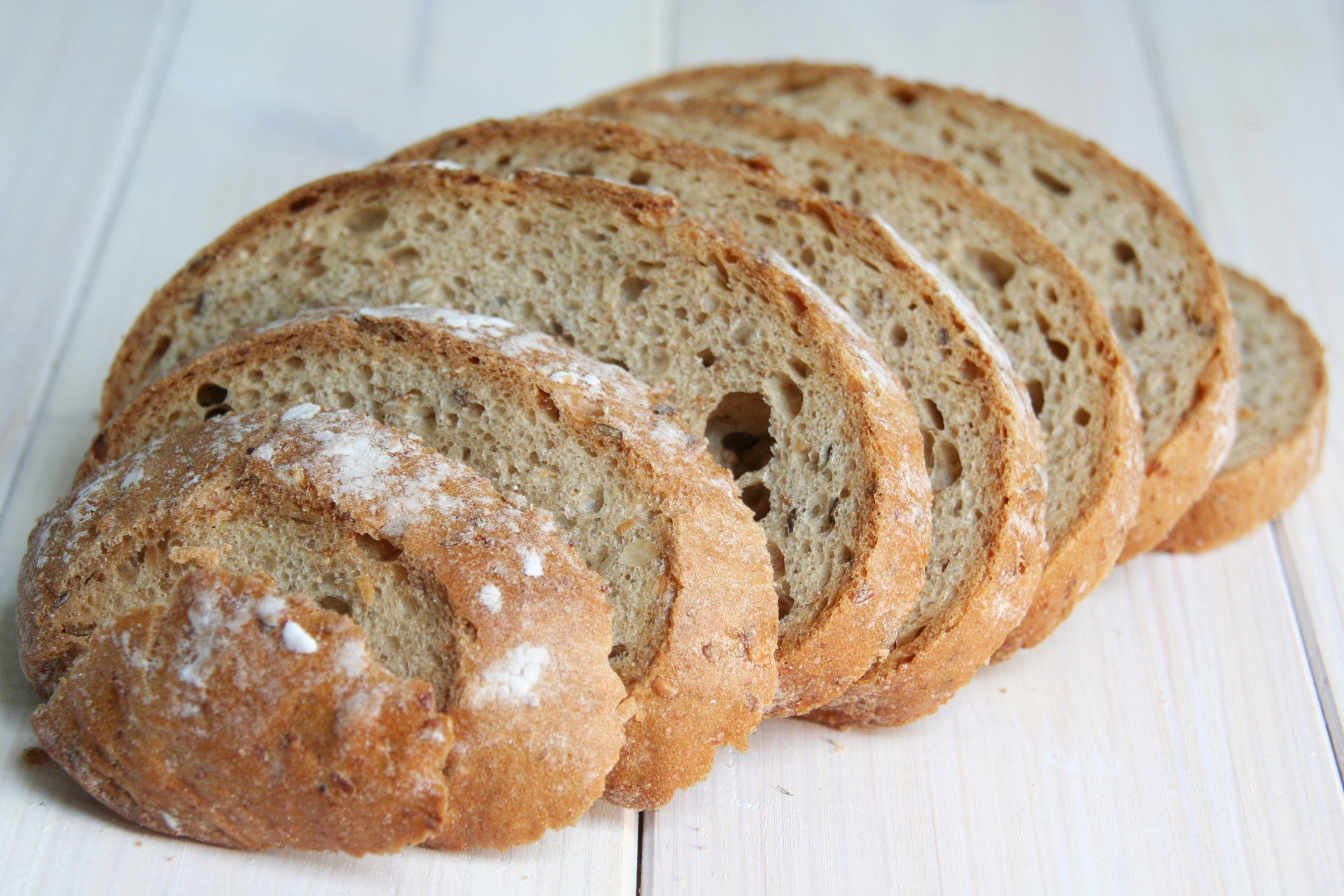
The world of bread production is an intricate tapestry interwoven with science, tradition, and consumer expectation. Among the myriad of ingredients utilized to achieve the perfect loaf, one intriguing component stands out: L-Cysteine. This naturally occurring amino acid has garnered attention for its role as a dough conditioner, enhancing texture and shelf life in various baked goods. As consumers become increasingly knowledgeable about their food and its ingredients, it is imperative to navigate the landscape of bread brands that incorporate L-Cysteine. This article endeavors to illuminate the brands in the United States that utilize this ingredient, providing a contemporary overview as we look ahead to 2025.
L-Cysteine can be derived from both human hair and poultry feathers, leading to a dichotomy in consumer perception. While some individuals may be unfazed by its origins, others may find the source of this amino acid troubling or unappealing. Understanding its multifarious applications within the baking industry is essential, especially for the discerning consumer advocating for transparent food labeling practices.
As we delve into the brands that manufacture bread containing L-Cysteine, it is worth noting that its primary function is to exacerbate the extensibility of dough. This property allows bakers to create lighter, airier loaves that maintain their structure during the production and baking processes. Consequently, many bread manufacturers take advantage of this functional ingredient to enhance their products’ overall quality and performance in the commercial sphere.
### 1. Understanding L-Cysteine and Its Role in Bread Making
To better comprehend why some brands opt to include L-Cysteine, it is essential to explore its benefits in more detail. When added to the dough, L-Cysteine improves gluten development, which is pivotal for achieving the desired rise and texture. In particular, breads that require a higher level of elasticity, such as bagels or pizza crusts, often incorporate L-Cysteine as part of their ingredient list. This functionality has made it a mainstay in the production of baked goods, particularly in industrial contexts.
### 2. Major Brands Utilizing L-Cysteine
As we survey the landscape, certain prominent bread brands are known for their incorporation of L-Cysteine in their formulations. Below is a curated list of brands that have been reported to include this ingredient in their bread products:
- Wonder Bread: A household name synonymous with sandwich bread, it is noted for its soft texture, which is partly attributable to the inclusion of L-Cysteine in the recipe.
- Nature’s Own: This brand provides a selection of wholesome breads; however, some varieties may include L-Cysteine as a dough conditioner. Consumers should scrutinize labels for clarity.
- Oroweat: Known for its artisanal approach to bread making, Oroweat employs L-Cysteine in various products to ensure a consistent quality that consumers expect.
- Small Batch: More niche brands like Small Batch also embrace L-Cysteine, albeit with an emphasis on texture and product integrity for their unique bread offerings.
- Kaiser Rolls (Brand Variants): Many commercially available kaiser rolls employ L-Cysteine, enabling bakeries to achieve the necessary structural characteristics.
### 3. The Growing Consumer Advocacy Movement
As awareness regarding food ingredients intensifies, consumer advocacy groups have begun scrutinizing the presence of additives like L-Cysteine in everyday products. This scrutiny is welcomed as individuals become increasingly empowered to make informed choices regarding their diets. Many consumers are calling for greater transparency and clarity in ingredient labeling. Consequently, brands are responding, some reformulating their products to exclude controversial ingredients altogether.
### 4. Future Trends in Bread Production
Looking toward 2025, we anticipate several trends that may shape the future of bread production. The shift towards clean-label products is gaining momentum, which naturally raises the question of whether brands will maintain their use of L-Cysteine. The consumer demand for transparency and avoidance of artificial additives may pressure brands to adapt their formulations, substituting L-Cysteine with alternative dough conditioners derived from more conventional sources or even natural alternatives.
Technological advancements in food science may also lead to innovative ways of enhancing bread quality without relying on controversial additives. This could usher in new methods for achieving the required texture and extensibility without compromising on health or ethical standards.
### 5. Navigating Ingredient Labels as a Consumer
For consumers keen on avoiding L-Cysteine, vigilance is key. Understanding how to read ingredient labels is paramount. Terms like “dough conditioner” may obscure the presence of this additive. Hence, it is advisable to adopt a proactive approach, seeking out brands that explicitly clarify their ingredients. Engaging with brands through social media or customer service channels can provide additional insights into their use of L-Cysteine.
### Conclusion
The inclusion of L-Cysteine in bread production is a complex interplay of culinary art and scientific precision. As we journey toward 2025, the evolving expectations of consumers may forever alter the landscape of baked goods. With heightened awareness, advocacy for transparent labeling, and potential shifts in production practices, the future is ripe for transformation. As consumers, the power lies in informed choices and demand for quality in every slice of bread.

Leave a comment