

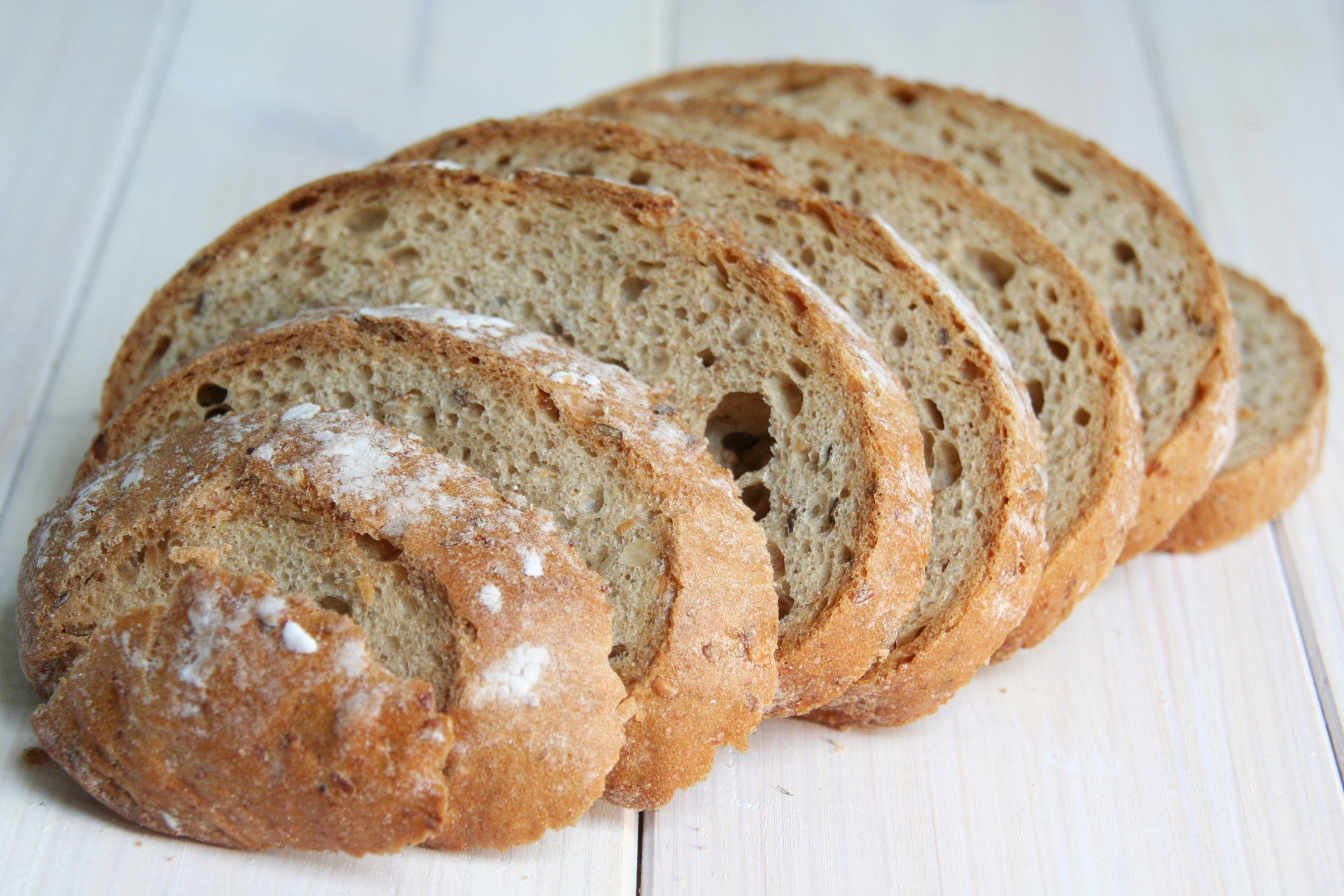
The world of bread is as diverse as the landscapes it comes from, an intricate tapestry woven with flavors, textures, and nutritional values. When it comes to fiber content, not all loaves are created equal. In the quest for healthier options, understanding which bread offers the most fiber can significantly enhance one’s dietary intake, acting as both a sustenance and a source of wellness. This inquiry unfolds into a rich narrative of grains, their journeys from fields to tables, and their varied health benefits.
Fiber is often heralded as a bulwark of digestive health, a substance that confers myriad advantages, including improved gut function and enhanced satiety. When selecting a high-fiber bread, one must delve into the complexities of ingredients, processing, and baking methods. This exploration will reveal not only the types of bread featuring optimal fiber content but also their unique attributes and health benefits.
Understanding Fiber
Before embarking on our exploration of the best high-fiber breads, it is essential to grasp the concept of dietary fiber itself. Fiber is classified into two categories: soluble and insoluble. Soluble fiber dissolves in water, forming a gel-like substance that aids in lowering cholesterol and regulating blood sugar levels. In contrast, insoluble fiber does not dissolve, playing a crucial role in promoting regularity and providing bulk to the stool.
When assessing bread, a discerning eye for both types of fiber is beneficial. Bread that contributes a balance of soluble and insoluble fiber can maximize health benefits, facilitating digestion while also ensuring the bread remains enjoyable.
Types of High-Fiber Bread
As we traverse the landscape of bread, several varieties stand out for their superior fiber content. Each type not only nourishes the body but also embodies the unique cultures and traditions from which they originate.
1. Whole Wheat Bread
Whole wheat bread is perhaps the archetype of high-fiber options. Made from the entire wheat kernel—bran, germ, and endosperm—this bread retains most of the grain’s natural nutrients and fiber. On average, a slice can deliver about 2-3 grams of fiber. Whole wheat bread is a commendable choice for individuals seeking to increase their fiber intake while enjoying a familiar flavor.
2. Rye Bread
Rye, with its distinct flavors and dense texture, is another worthy contender in the realm of high-fiber breads. Dark rye bread, in particular, is an excellent source of fiber, providing approximately 2-6 grams per slice, depending on whether it is made from whole grain rye or lighter rye flour. The inherent phytochemicals in rye can also foster a sense of fullness, aiding in weight management—a benefit that resonates with many health-conscious consumers.
3. Oat Bread
Oat bread, often perceived as a healthier alternative due to its heart-friendly nutrients, is another exemplar of high fiber. Typically made from a combination of oats and whole grain flour, this variety can yield up to 4 grams of fiber per slice. Oats are particularly rich in soluble fiber, specifically beta-glucan, which has been linked to improved cholesterol levels and heart health.
4. Barley Bread
Barley, often overshadowed by more common grains, should not be overlooked in the quest for fiber-rich bread. When milled into flour, barley retains its fibrous properties and can offer around 5-7 grams of fiber per slice. Besides its impressive fiber content, barley provides unique beta-glucans that contribute to various health benefits, including enhanced immune function and cardiovascular health.
5. Sprouted Grain Bread
Sprouted grain bread is akin to a phoenix rising from the ashes of processed breads. By allowing grains to germinate, sprouting unleashes a wealth of nutrients and enhances fiber content. These breads can provide up to 3-5 grams of fiber per slice and are praised for their easier digestibility, owing to the breakdown of complex starches and increased nutrient availability. The nutty flavor profile and chewy texture add to their culinary charm.
Choosing Wisely: Label Literacy
As consumers traverse supermarket aisles, the importance of label literacy cannot be overstated. Many breads on the market boast “whole grain” or “multigrain” labels, yet may still be deficient in fiber. A quick scan of the ingredient list reveals the truth: look for terms like “100% whole grain” or “whole wheat” as the first ingredient. Additionally, a bread containing at least 3 grams of fiber per serving is typically indicative of a healthier choice.
An Exquisite Balance
Selecting a high-fiber bread is not merely a function of fiber content alone but involves a holistic evaluation of one’s dietary preferences and health goals. Embrace variety: incorporate different bread types into meals to reap a spectrum of nutrients and flavors. Pairing fiber-rich bread with proteins and healthy fats can promote satiety and balance, ultimately leading to better health outcomes.
Culinary Creativity and Enjoyment
In the realm of gastronomy, bread can transcend its role as a mere side; it can be the star of the show. From artisanal sandwiches to healthy bruschettas and hearty toasts, high-fiber bread provides a versatile foundation for innumerable dishes. The alchemy of pairing high-fiber bread with sumptuous toppings transforms meals into delightful experiences, ensuring that health does not come at the expense of pleasure.
Ultimately, the journey through the bakery is one that celebrates not only superior fiber choices but also the legacy and cultural significance of bread itself. With an educated palate and a commitment to health, each slice serves as a testament to the myriad of possibilities that exist within the humble loaf. A world of flavor and nutrition awaits—choose your bread wisely, and let the good fiber flow.

Leave a comment