

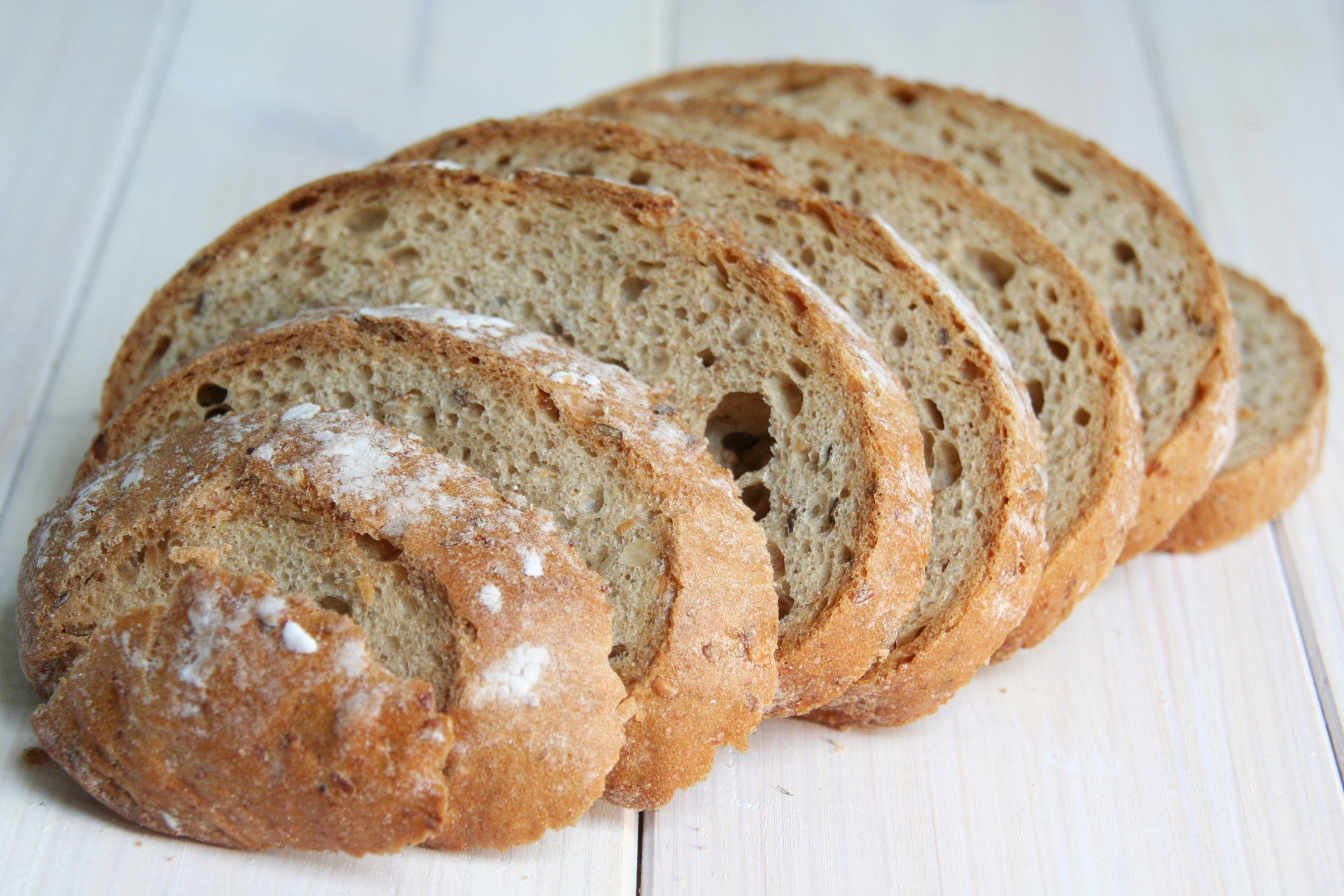
When considering dietary adjustments for kidney health, understanding the implications of bread choices becomes paramount. For individuals on a renal diet, various factors such as sodium content, phosphorus levels, and potassium concentrations in bread must be closely examined. This article elucidates the most suitable bread options for kidney patients, offering comprehensive insights into their nutritional value and potential impact on kidney function.
Assessing the Nutritional Profile of Bread
To make informed decisions about bread choices, it is essential to comprehensively analyze their nutritional content. Bread can vary widely in ingredients and processing methods, which influences its suitability for individuals with chronic kidney disease (CKD). Key components to consider include:
- Sodium: Excessive sodium intake can exacerbate hypertension and fluid retention, which are particularly concerning for kidney patients. Opting for low-sodium bread is crucial.
- Potassium: While potassium is an essential mineral, excessive intake can lead to hyperkalemia, a serious condition for those with compromised kidney function. Certain bread types, especially those made with whole ingredients, may contain elevated potassium levels.
- Phosphorus: Processed breads often contain phosphate additives, which can significantly increase phosphorus levels. Renal patients must limit phosphorus to mitigate bone disease associated with kidney dysfunction.
- Fiber Content: High-fiber bread can aid in digestion and help regulate blood sugar levels; however, temperance is necessary as some fiber sources may cause gastrointestinal discomfort.
Types of Bread Beneficial for Kidney Patients
Given the aforementioned factors, it is essential to delineate which types of bread can be advantageous for kidney patients:
- White Bread: Though often devoid of substantial nutrients, white bread typically has lower potassium and phosphorus levels compared to whole grain variants. Renal patients may opt for plain white bread with no additional additives to minimize the risk of unwanted substances.
- Low-Sodium Bread: Specifically formulated for health considerations, low-sodium bread contains reduced amounts of salt, making it far more suitable for kidney patients. These breads are often made with healthier oils and whole grains, providing further nutritional benefits.
- Gluten-Free Bread: Patients with celiac disease or gluten sensitivity will find gluten-free bread to be a viable option. These breads are typically made from rice, almond, or coconut flour, providing a nutritious alternative without the detrimental effects of gluten for sensitive individuals.
- Homemade Bread: For those conscious of their dietary intake, baking bread at home allows complete control over the ingredients. Incorporating refined white flour, less salt, and avoiding additives can lead to a renal-friendly product that caters specifically to one’s health needs.
- Seed and Nut Bread: While many varieties of seed and nut bread can be potassium-rich, opting for those containing sunflower or chia seeds may provide essential nutrients without excessive potassium levels. Careful ingredient selection is paramount, focusing on varieties without added preservatives or sodium.
Considerations for Portion Control
Even when selecting the right type of bread, moderation is a foundational principle in a renal diet. Portion control plays a pivotal role in managing overall nutrient intake. It is advisable for kidney patients to limit their bread intake to one or two slices per meal, as excessive consumption may inadvertently lead to increased sodium, phosphorus, and potassium levels.
Gluten Sensitivity and Celiac Disease: The Intersection with Kidney Health
For individuals with coexisting gluten sensitivity or celiac disease, the choice of bread becomes a crucial aspect of overall health management. Gluten consumption in these patients not only leads to gastrointestinal distress but has also been linked with kidney inflammation. As a result, gluten-free options should be carefully integrated into the diet, ensuring that they are also low in phosphorus and potassium.
Awareness of Additives and Preservatives
Many commercially available breads contain preservatives and additives that can detract from their health benefits. Renal patients should scrutinize ingredient lists meticulously, opting for products with minimal processing. Choosing organic or artisanal breads may provide a cleaner alternative, free from harsh chemicals and artificial ingredients.
Incorporating Bread into a Balanced Diet
Finally, when integrating bread into a renal-friendly meal plan, it should be complemented with a variety of other food groups. Lean proteins, non-potassium-rich vegetables, and low-phosphorus fruits can enhance meals, ensuring that bread does not occupy the entirety of nutritional focus. A balanced plate provides a wealth of nutrients necessary for optimal health, with bread serving as a supplementary source of energy and enjoyment.
In conclusion, understanding which types of bread are best for kidney patients is a nuanced endeavor. By dissecting the nutritional components of various bread options and practicing portion control, individuals can maintain a renal diet that supports both health and satisfaction. With mindful choices, navigating bread consumption can become a harmonizing part of daily dietary practices for those with kidney concerns.

Leave a comment