

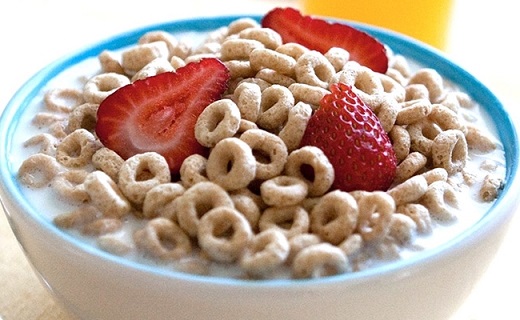
Breakfast cereals are a ubiquitous choice among consumers seeking a nutritious start to their day. Among the myriad options available, those fortified with iron merit particular attention due to iron’s vital role in physiological functions. Iron is essential for producing hemoglobin, a protein in red blood cells that transports oxygen throughout the body. A deficiency in iron can lead to fatigue, decreased immunity, and a host of other health concerns. As such, the presence of iron in breakfast cereals can significantly contribute to daily dietary requirements, particularly for individuals at risk of iron deficiency, such as pregnant women, children, and vegetarians.
When comparing breakfast cereals based on their iron content, one must consider several factors that influence the nutritional value of these products. This article endeavors to dissect the landscape of iron-fortified cereals, comparing various options and analyzing their iron content, alongside additional nutritional considerations that may impact consumer choices.
Understanding Iron Fortification
Iron fortification in cereals began as a public health initiative to address widespread deficiencies observed in various populations. Fortification typically involves adding ferrous sulfate, ferrous fumarate, or other iron compounds to increase the cereal’s iron content. The resulting products vary widely in their iron levels, often reflecting the manufacturer’s commitment to nutritional enhancement.
Key Players in the Iron-Fortified Cereal Market
Among the dominant brands producing iron-fortified cereals are General Mills, Kellogg’s, and Post Consumer Brands. These manufacturers offer a range of products, often including whole-grain options that appeal to health-conscious consumers. For instance, General Mills’ Special K and Kellogg’s Raisin Bran are frequently highlighted for their ≥ 25% daily value (DV) of iron per serving, attracting attention from those aiming to boost their nutrient intake.
A Comparative Analysis of Iron Content
To determine which breakfast cereals provide the most iron per serving, a detailed comparison reveals intriguing insights. The following table presents an overview of various popular iron-fortified cereals, outlining their iron content in milligrams (mg) alongside their respective serving sizes:
| Cereal Name | Iron Content (mg) | Serving Size (cups) |
|---|---|---|
| Cheerios | 4.0 mg | 1 cup |
| Special K | 18.0 mg | 1 cup |
| Frosted Mini-Wheats | 8.0 mg | 1 cup |
| Raisin Bran | 6.0 mg | 1 cup |
| Lucky Charms | 3.0 mg | 1 cup |
From this comparative analysis, Kellogg’s Special K emerges as a frontrunner, boasting a remarkable 18.0 mg of iron per serving, thereby fulfilling 100% of the daily iron requirement for adults in just one cup. Such an observation invites deeper contemplation: why, amidst the competition, does this particular cereal stand out? The strategic marketing of Special K as a weight management tool, combined with its high iron content, attests to the brand’s astute awareness of consumer health trends.
Micro and Macro Nutritional Considerations
While iron content is paramount, it is crucial to consider other macro and micronutrients present in these cereals. For instance, some cereals high in fiber, such as Raisin Bran, contribute to digestive health while providing a modest amount of iron. Whole grains, often included in these products, enhance overall nutrient density, making them a preferable choice over refined cereal options. Additionally, cereals with lower sugar content present an alternative for those wary of excessive sugar intake, allowing a more balanced breakfast that promotes sustained energy levels.
Additional Influencing Factors
In making an informed decision about which iron-fortified cereal to select, consumers should consider the following factors:
- Taste and Texture: Palatability plays an inextricable role in dietary habits. Cereals that are enjoyable to eat are more likely to be incorporated into one’s routine.
- Dietary Restrictions: Some individuals may be gluten-sensitive or have other dietary preferences that limit their cereal choices; hence, gluten-free options should be explored when necessary.
- Cost and Availability: Economic considerations often dictate purchasing decisions. Availability in grocery stores also influences choice, particularly for niche products.
Conclusion
In conclusion, when examining breakfast cereals for their iron content, Kellogg’s Special K clearly stands as a noteworthy option, delivering a substantial amount of iron per serving. However, the choice of a breakfast cereal should not be based on iron content alone. A comprehensive evaluation that takes into account overall nutritional value, taste, dietary needs, and cost will yield the most beneficial decision for consumers. Ultimately, the breakfast cereal aisle reflects a complex interplay between health, convenience, and consumer preference—a tapestry woven with both nutritional science and culinary appeal.

Leave a comment