

Breakfast cereals are a staple in many households, cherished for their convenience and versatility. However, not all cereals are created equal, particularly regarding their nutritional content. One of the critical nutrients that often garners attention is iron, an essential mineral vital for various bodily functions, including oxygen transport and energy production. For individuals seeking to enhance their dietary intake of iron, understanding which breakfast cereals are fortified is paramount. This guide delineates the multitude of fortified cereals available in the market, thereby fostering informed dietary choices.
Understanding Fortification
Fortification refers to the deliberate addition of nutrients, such as vitamins and minerals, to food products. The practice originated to combat widespread nutrient deficiencies prevalent in certain populations. Iron fortification in cereals aims to mitigate the risk of anemia and elevate overall health profiles, particularly in vulnerable demographics, including children and women of reproductive age. This section elucidates what constitutes iron fortification and the role it plays in enhancing nutritional quality.
The Importance of Iron in Our Diet
Iron is multifaceted in its functions within the human body. It is a fundamental component of hemoglobin, the protein responsible for oxygen transport in red blood cells. Furthermore, iron aids in the enzymatic reactions involved in energy metabolism and supports immune function. Insufficient iron levels can lead to fatigue, diminished cognitive performance, and impaired immune responses. Consequently, the consumption of iron-fortified cereals can be an effective strategy for augmenting iron intake, particularly for those whose diets may lack adequate amounts of this vital mineral.
Types of Fortified Cereals
Fortified cereals can be broadly categorized into various types based on their processing methods and ingredient compositions. The following types represent a sampling of cereals that are typically fortified with iron:
- Whole Grain Cereals: Whole grain cereals, such as oatmeal and bran flakes, not only retain the natural components of the grain but are frequently fortified with iron. They provide the dual benefit of dietary fiber and essential nutrients.
- Flaked Cereals: Flaked cereals, including brands like Corn Flakes or Rice Krispies, are often enriched with iron and other essential vitamins. These cereals possess a light texture and are popularly consumed with milk.
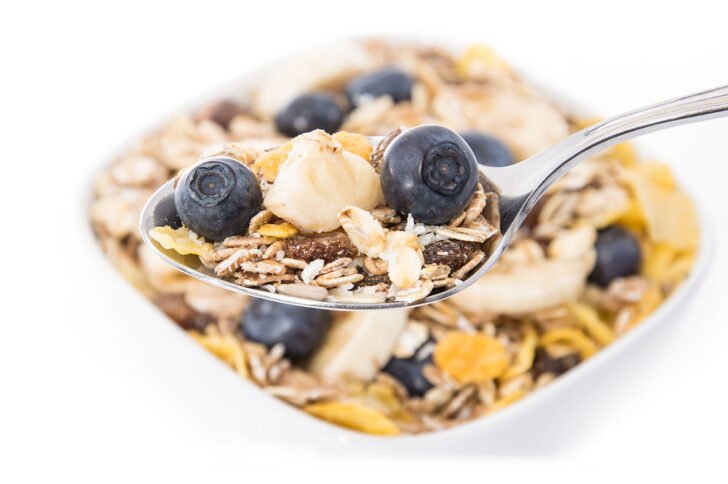
- Granola and Muesli: These cereals often combine oats, nuts, seeds, and dried fruits. Many brands fortify their products, contributing to a delicious yet nutrient-dense breakfast option.
- Ready-to-Eat Cereals: A myriad of ready-to-eat cereals are designed for convenience. Brands such as Special K and Total prominently feature iron among their nutritional components, appealing to those seeking a quick yet nutritious breakfast.
- Puffed Cereals: Puffed wheat or rice cereals are also frequently fortified. They offer a lightweight and crispy texture, making them an attractive option for a nutritious start to the day.
Notable Brands and Varieties
Identifying specific brands and cereal varieties that are fortified with iron can further facilitate informed choices. Here is an overview of some popular options:
- General Mills: Products such as Cheerios and Lucky Charms are fortified with iron, offering a familiar taste alongside nutritional benefits.
- Kellogg’s: The Cornelia Corporation offers a spectrum of cereals, such as Corn Flakes and Special K, both of which are fortified with iron.
- Post Consumer Brands: Known for products like Grape Nuts and Raisin Bran, Post cereals frequently contain added iron to support dietary needs.
- Quaker Oats: Often synonymous with oatmeal, Quaker offers various oat-based cereals fortified to enhance their iron content.
- Nature Valley: While primarily known for granola bars, their granola cereals often include fortification, presenting an inviting choice for health-conscious consumers.
Reading Labels: A Key Component
Navigating the grocery aisle can be challenging, particularly with the plethora of options at consumers’ disposal. Thus, familiarizing oneself with interpreting food labels is imperative. Look for terms such as “fortified” or “enriched” on the packaging, which signify the addition of iron. The % Daily Value (%DV) indicated on nutrition labels can also guide consumers in assessing whether a cereal meets their iron needs. For age-specific demographic recommendations, one can refer to dietary guidelines established by health organizations.
Complementing Fortified Cereals for Enhanced Nutrition
While consuming iron-fortified cereals is beneficial, combining them with other iron-rich foods can further optimize iron absorption. Foods such as oranges, strawberries, and bell peppers, rich in vitamin C, enhance non-heme iron absorption when consumed alongside fortified cereals. Conversely, inhibitors like calcium and tannins found in tea and coffee should be consumed separately to avoid hindering iron absorption.
Conclusion
In summary, fortified breakfast cereals present a viable option for bolstering iron intake, particularly in a fast-paced modern lifestyle where traditional cooking methods may not be feasible. By contemplating the various types of fortified cereals available and understanding how to select suitable products and complement them with iron-friendly foods, individuals can make astute dietary choices that foster health and vitality. With the diverse array of offerings on the market, a fortified breakfast cereal can serve as a delicious start to the day, while simultaneously supporting essential nutritional needs.

Leave a comment