

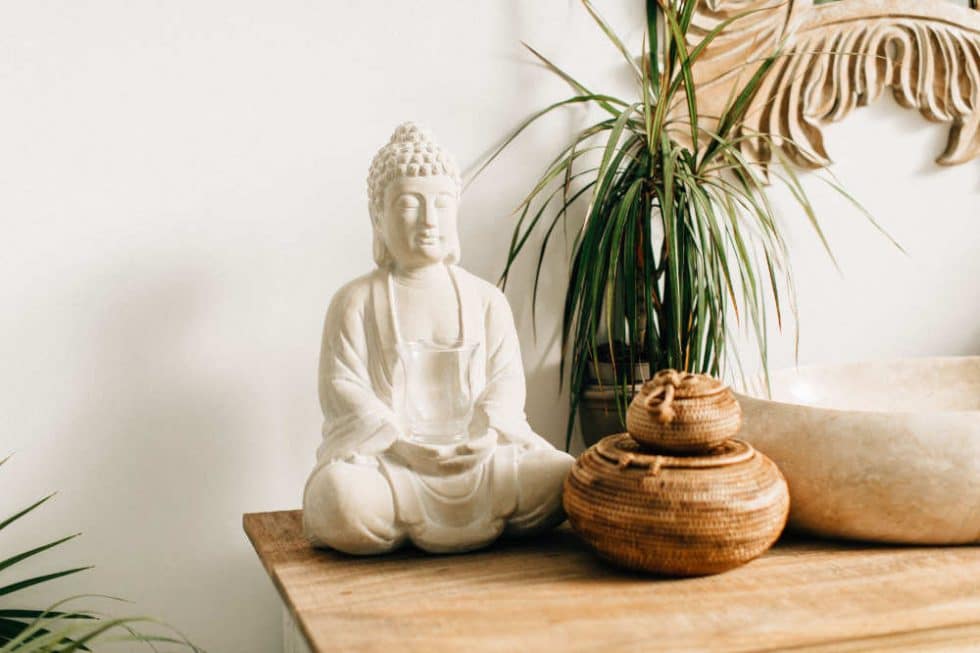
The incorporation of a Buddha statue within the home, particularly at the entrance, embodies not merely an aesthetic enhancement but a profound channel of spiritual energy and positive chi. The entrance area, signifying a threshold between the external world and personal sanctuary, serves as a pivotal locus in Feng Shui practice. As many individuals are drawn to the very notion of harmonizing energy flow, the decision regarding which Buddha statue to place at the home entrance merits thoughtful consideration.
Commonly observed is the allure surrounding Buddha statues; they evoke a sense of tranquility and introspection. This fascination often stems from the universal quest for harmony and peace in an increasingly chaotic world. One must delve deeper into the symbolism entwined with each variation to discern which statue resonates most with individual aspirations for balance and well-being.
Types of Buddha Statues and Their Significance
It is imperative to note that various representations of the Buddha exist, each embodying distinct meanings and energies. Some of the most commonly utilized include:
- The Laughing Buddha: Also known as Hotei or Budai, this figure is often depicted with a broad smile, carrying a sack. This representation symbolizes abundance, happiness, and the eradication of greed. Placing it at the entrance can instill a joyful atmosphere, welcoming prosperity into the home.
- The Meditating Buddha: Characterized by a serene expression, the meditating Buddha emphasizes mindfulness and inner peace. This statue serves as a reminder for inhabitants to cultivate tranquility and attentiveness in their lives. Its placement at the entrance fosters a tranquil energy that permeates through to the interior.
- The Reclining Buddha: This figure portrays the Buddha in a reclining position, symbolizing enlightenment and the transition into Nirvana. It embodies the principles of relinquishment and liberation. Strategically placing this statue at the entrance encourages a sense of relaxed acceptance of life’s journey.
- The Buddha of Medicine: Known for promoting health and well-being, this representation can be particularly auspicious when positioned at the entrance. It reflects compassion and healing intentions, attracting positive medicinal energies toward the household.
Guidelines for Placement
Once one has chosen an appropriate Buddha statue for the entrance, it is paramount to consider the nuances of placement. Proper positioning is crucial to harness the harmonious energies intended to emanate from the statue.
- Avoid Clutter: Ensure that the area surrounding the Buddha statue remains uncluttered. A clear path encourages the free flow of chi and reinforces the welcoming nature of the statue.
- Orientation Matters: Position the statue facing inward towards the house, symbolically inviting positive energy. This orientation signifies receptiveness to the abundance that flows from the outside world into one’s personal space.
- Height Considerations: Ideally, the statue should be placed at an eye-level height or slightly higher. This positioning engenders a sense of respect and reverence toward the statue, amplifying its positive influences.
- Choose the Right Material: The material of the statue holds significance. Metal, wood, or stone can carry varying energies. A brass statue, for example, may promote wealth and prosperity, while one made from natural wood may invoke tranquility and grounding.
- Supplement with Natural Elements: Complementing the statue with natural elements such as plants enhances the surrounding energy. Greenery not only purifies the air but also symbolizes growth and vitality.
Cultivating Positive Energy
Engaging with a Buddha statue at the home entrance transcends the mere act of decoration; it becomes a ritual of mindfulness and intent. The choice to adorn one’s entryway with a representation of the Buddha can serve as a catalyst for self-reflection, encouraging inhabitants to embody the values symbolized by the chosen figure. The respective energies unleashed revolve not only around prosperity and peace but also around compassion and gratitude.
Moreover, the act of consciously acknowledging the statue can instigate an atmosphere of reverence for the space inhabited. Daily reminders of serenity foster an environment that promotes interpersonal harmony among household members. Therefore, a Buddha statue can function as an auspicious talisman, drawing forth benevolent energy and nurturing a sanctuary for both family and guests alike.
Final Thoughts
In synopsis, selecting the appropriate Buddha statue for the home entrance requires a nuanced understanding of one’s aspirations and the corresponding energies associated with each representation. Informed placement and regular conscious interaction with the statue can cultivate an ambiance where tranquility and positive chi flourish. Understanding the significance inherent in the choice of statue deepens the relationship one has with their living space, inviting joy, prosperity, and peace into everyday life.
Ultimately, the integration of such spiritual symbols into home design accentuates the intersection of personal intention with the universal quest for harmony—a dance that many find both enchanting and essential.

Leave a comment