

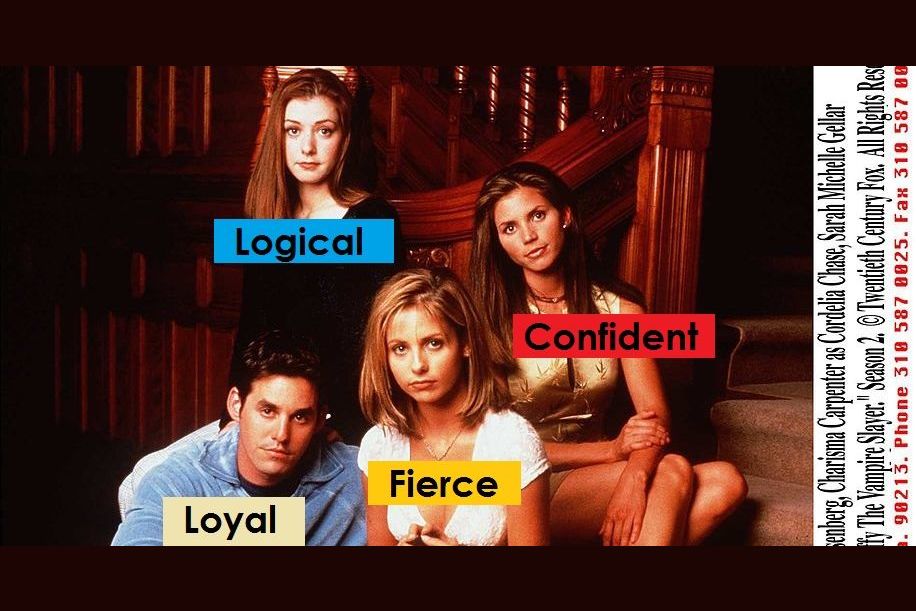
In the vast realm of television, few series have encapsulated the ebbs and flows of adolescence and the complexities of human experience as masterfully as “Buffy the Vampire Slayer.” Created by Joss Whedon, this iconic show not only introduced us to a cadre of compelling characters but also facilitated a profound exploration of identity, friendship, and the eternal battle between good and evil. The “Which Buffy Character Are You?” quiz transcends mere entertainment, offering an opportunity to engage with the multifaceted nature of self-discovery through beloved characters, each imbued with distinctive traits and narratives.
The allure of a personality quiz lies in its promise of revelation. As participants navigate a series of carefully crafted questions, they unearth aspects of their psyche that may go unnoticed in day-to-day existence. At the crux of it, this quiz invites introspection, beckoning individuals to consider: Which character resonates most with their innermost self? To embark on this journey, one must first understand the ensemble cast and the archetypal roles they embody, reflecting the complexities of human emotion and motivation.
Each character in “Buffy the Vampire Slayer” serves as a mirror, reflecting different facets of humanity. For instance, consider Buffy Summers, the eponymous slayer. Buffy’s journey is characterized by tremendous burdens coupled with an unwavering sense of responsibility toward those she loves. Analyzing whether you share Buffy’s tenacity, leadership, and resilience can reveal much about your own approach to challenges in life.
Alternatively, the enigmatic Willow Rosenberg embodies the struggles of growth. As a character who evolves from a shy, insecure girl into a powerful witch, her journey illustrates transformation and self-acceptance. Are you someone who resonates with Willow’s quest for identity and acceptance? Exploring her metamorphosis may unveil insights into your own capacity for change and inner strength.
No exploration of character would be complete without acknowledging Xander Harris, who represents the everyman—loyal, humorous, yet acutely aware of his limitations. Xander’s role highlights themes of friendship and the importance of support systems. Inquire within: do you find kinship with his unyielding loyalty, or perhaps feel a certain resonance with his insecurities? Such reflections may illuminate the role of camaraderie in your life.
Then there is Spike—a character steeped in complexity and moral ambiguity. His transformation from a villain into an anti-hero encapsulates the intricacies of redemption and love. Spike’s journey raises profound questions about the nature of evil, desire, and the human connection. If you find yourself drawn to his character, what does that say about your own values and experiences regarding redemption?
Additionally, one must consider the fiercely independent and formidable Faith Lehane—a character characterized by her tumultuous journey encompassing rebellion, loss, and eventual redemption. Faith embodies a raw, untamed spirit. If her character resonates with your own instincts, it may prompt introspection about your own struggles with conformity versus individuality, and the pursuit of personal freedom.
Each character serves as a conduit for self-exploration, inviting participants to reflect on their personality traits, motivations, and desires. The structure of the quiz typically presents questions that probe one’s preferences—be it in moral choices, social dynamics, or manifestations of strength. This revelatory mechanism not only entertains but also engages the mind in a deeper analysis of one’s traits.
Furthermore, the quiz format often incorporates whimsical yet thought-provoking scenarios that push participants to make decisions. For example, a question might present a supernatural threat and ask how one would respond. Do you confront it head-on like Buffy, consult your friends for assistance like Willow, or strategize from the sidelines like Xander? The chosen responses bear significance beyond the immediate answers, exposing latent inclinations toward confrontation, collaboration, or contemplation.
Integral to the charm of this quiz is its ability to cultivate curiosity. It encourages participants to delve deeper into their preferences, values, and social roles, offering a subtle invitation to embrace vulnerability. Engaging with familiar characters allows for a comforting exploration of one’s self. Results are not merely about identifying a character but simultaneously reflect the nuances of personality that define each individual.
As the results reveal which character one aligns with, the experience culminates in both affirmation and revelation. It spurs further contemplation on one’s life trajectory—what can be learned from the chosen character’s journeys, trials, and victories? Participants gain a lens through which they can view their own struggles, aspirations, and relationships, perhaps motivating them to pursue paths marked by resilience, loyalty, or self-acceptance.
In conclusion, the “Which Buffy Character Are You?” quiz transcends the boundaries of a conventional personality test. It weaves together narratives, encouraging introspection and self-discovery. By engaging with the diverse cast of characters, individuals are not only entertained but also inspired to reevaluate their personal narratives. In an era where identities are often multifaceted and continually evolving, this quiz acts as both a mirror and a catalyst, provocation thoughts about how one’s experiences and choices shape their essence. Embrace the opportunity to discover which character most embodies who you are, and in that exploration, find a greater understanding of yourself.

Leave a comment