

In the evolving landscape of dietary management for diabetes, understanding the impact of various butter alternatives is essential. Traditional peanut butter, while popular, may not always align with the dietary requirements of individuals managing diabetes. Consequently, exploring a range of healthy spread alternatives becomes paramount. This article will examine several butter options, evaluating their nutritional profiles, glycemic impacts, and potential health benefits.
1. Almond Butter: A Nutrient-Dense Option
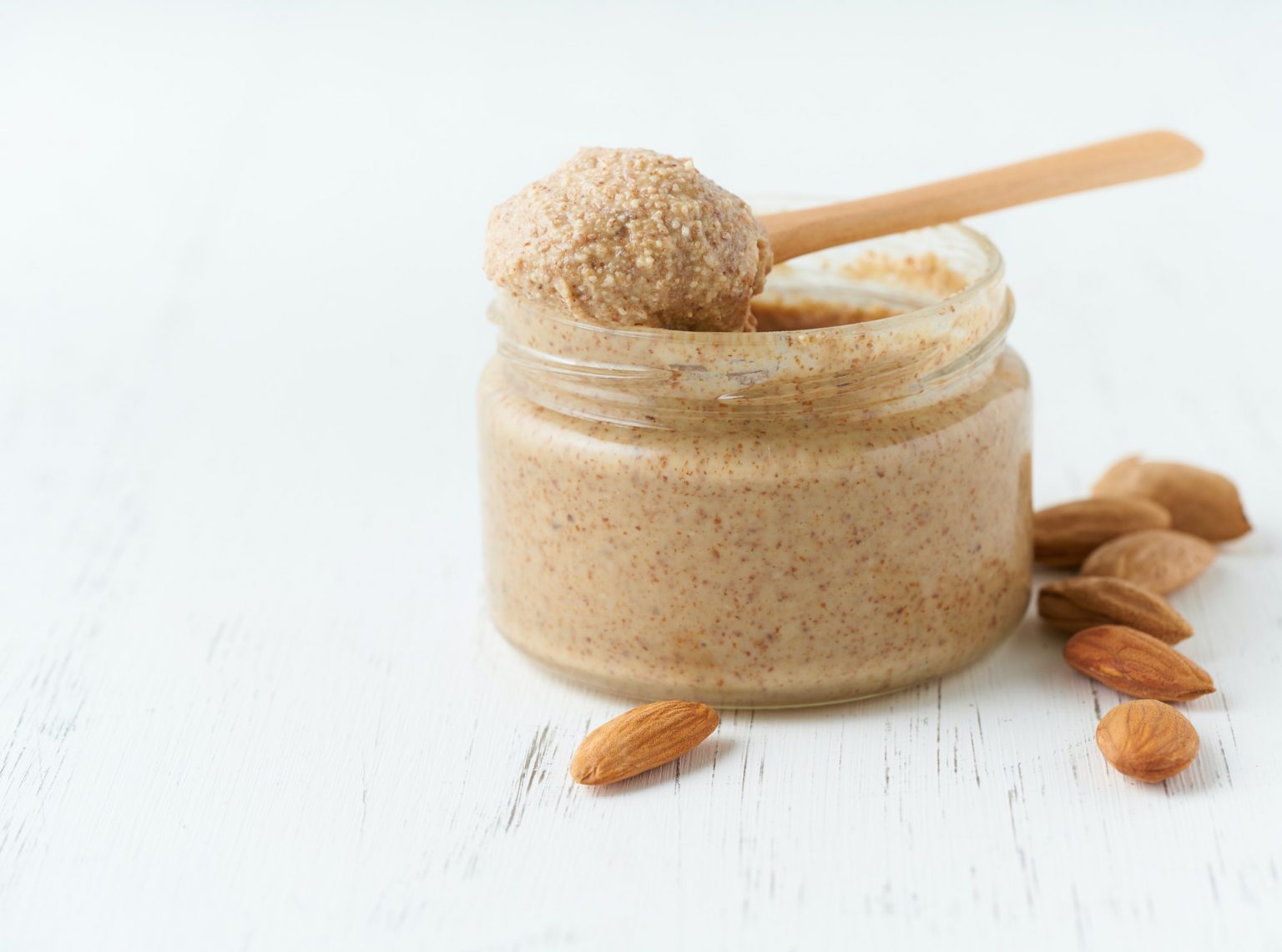
Almond butter is an exceptional alternative, renowned for its low carbohydrate content and high monounsaturated fat levels. This creamy spread boasts a wealth of vitamins, including Vitamin E, which is a potent antioxidant. Moreover, it possesses a favorable glycemic index, making it a sound choice for individuals with diabetes. The fiber content in almond butter aids in stabilizing blood sugar levels, contributing to improved satiety and digestive health. Pairing almond butter with whole-grain crackers or fresh fruit can provide a balanced snack, rich in protein and healthy fats.
2. Cashew Butter: A Creamy Delight
Cashew butter offers a unique flavor profile that is both creamy and slightly sweet. While this option is slightly higher in carbohydrates compared to almond butter, it is fortified with essential minerals such as magnesium, zinc, and iron. Magnesium, in particular, plays a crucial role in glucose metabolism and may enhance insulin sensitivity. When choosing cashew butter, opt for varieties that contain minimal additives or sugars to maintain a healthier choice for blood sugar management.
3. Sunflower Seed Butter: Allergen-Friendly
For individuals with nut allergies, sunflower seed butter emerges as a commendable alternative. This butter is rich in healthy fats and provides a robust dose of antioxidants and vitamins. One of the standout attributes of sunflower seed butter is its significant content of magnesium and vitamin E, which are beneficial in managing oxidative stress and promoting heart health. With a lower glycemic index, sunflower seed butter not only offers a unique nutty flavor but also serves as a versatile ingredient in smoothies, baked goods, or on its own with fruit.
4. Coconut Butter: A Tropical Twist
Coconut butter, derived from the flesh of coconuts, transcends traditional spreads with its aromatic and tropical flair. This butter encapsulates medium-chain triglycerides (MCTs), which can be metabolized more efficiently by the body. MCTs may provide an immediate energy source and lend support to weight management – essential elements for individuals striving to maintain stable blood glucose levels. Coconut butter can be a delightful addition to smoothies or oatmeal, yet it is crucial to consume it in moderation due to its relatively high saturated fat content.
5. Hemp Seed Butter: The Protein Powerhouse
Hemp seed butter distinctively provides an abundance of protein and omega-3 fatty acids, which are vital for heart health and inflammation reduction. The protein density of hemp seed butter supports muscle maintenance and satiety, making it an excellent choice for those seeking balanced nutrition. This butter is also rich in gamma-linolenic acid (GLA), known for its anti-inflammatory properties. Incorporating hemp seed butter into your diet can enhance your overall nutrient intake, particularly for vegetarians or vegans looking to up their protein game.
6. Flaxseed Butter: An Omega-3 Boost
Flaxseed butter is emerging as a potent contender in the landscape of healthy spreads. Rich in alpha-linolenic acid (ALA), it is an excellent plant-based source of omega-3 fatty acids. Omega-3s play a significant role in heart health and inflammatory response, aligning with the health requirements of individuals managing diabetes. Flaxseed butter may also aid in digestive health due to its fiber content. It can be seamlessly integrated into morning smoothies, Greek yogurt, or oatmeal, enhancing both flavor and nutritional value.
7. Pumpkin Seed Butter: A Seasonal Superfood
Pumpkin seed butter is often overlooked yet deserves a spot on your shelf. This spread is rich in iron, magnesium, and zinc while boasting a delightful richness. The combination of healthy fats and fiber provides a stable energy release, thus aiding in blood sugar control. Pumpkin seed butter works beautifully in both sweet and savory dishes, and can be utilized in breakfasts, or as a decadent dip for fresh fruits or vegetable crudités.
8. Choosing the Right Butter: Factors to Consider
When selecting a butter alternative, several factors must be taken into consideration. First, scrutinize the ingredient list for any added sugars, preservatives, or unhealthy oils. Selecting organic options can often reduce exposure to pesticides and other chemicals. Consider portion sizes as well; even healthy fats can contribute to excess calorie intake if consumed in large quantities. Monitoring how your body responds to different spreads will also help determine which butter aligns best with your personal dietary needs and preferences.
Conclusion: A Versatile Spectrum of Choices
The landscape of butter alternatives offers a plethora of choices that can harmonize with the dietary restrictions of individuals living with diabetes. Each alternative presents unique nutrient profiles and health benefits, emphasizing the importance of integrating a variety of spreads into one’s diet. Emphasizing wholesome ingredients and mindful consumption will empower individuals to embrace these healthy alternatives while achieving optimal blood sugar management and overall well-being. As preferences and health needs vary, experimentation may be key in discovering the ideal butter that complements one’s lifestyle.

Leave a comment