

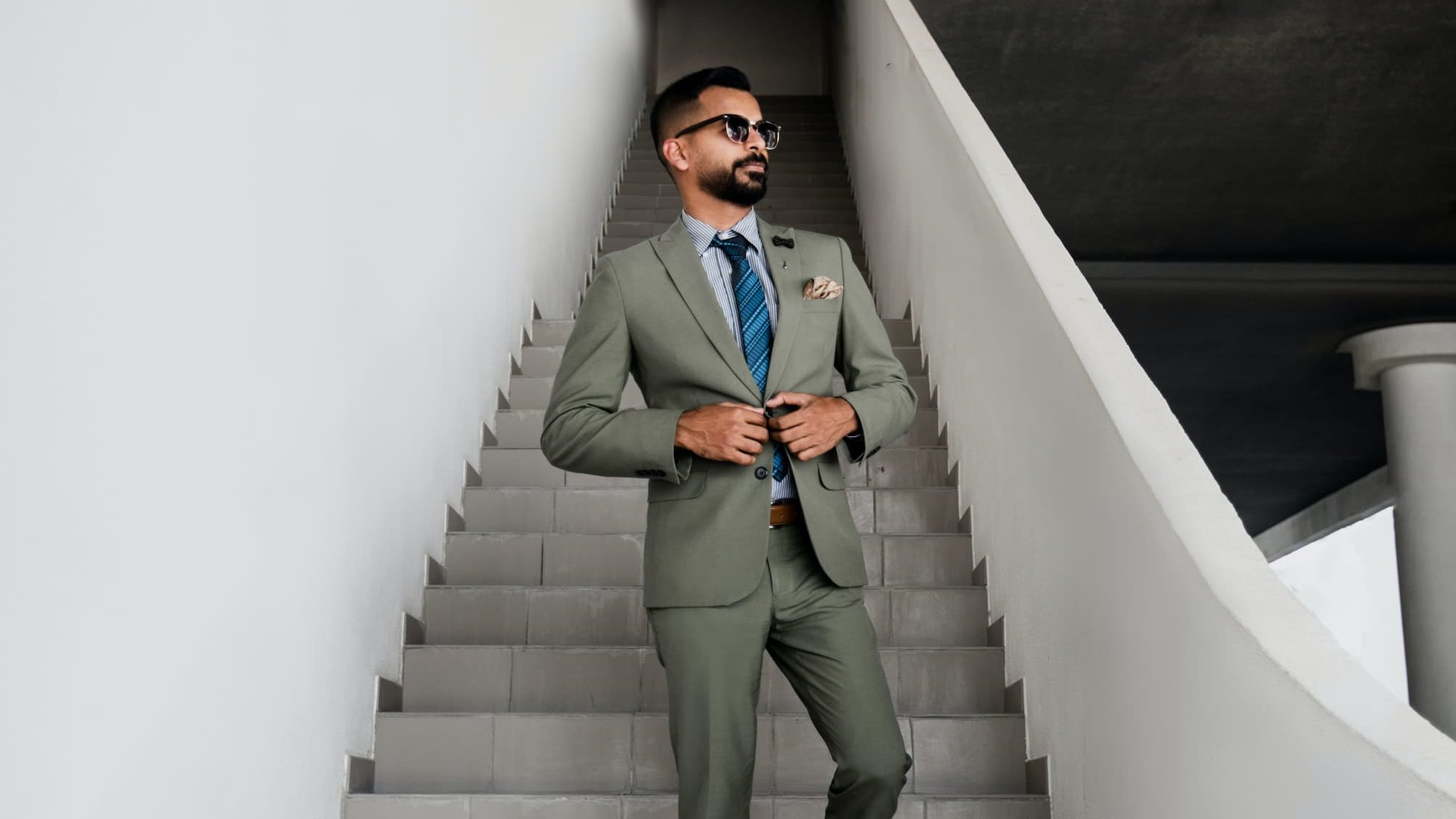
The sartorial landscape of formalwear reveals a nuanced tapestry of rules and conventions, particularly when it pertains to the intricate details of vests and their buttons. Understanding the etiquette surrounding these features is essential for anyone who aspires to navigate social gatherings with aplomb. This article will elucidate the role of buttons on a vest within the context of formal attire, offering a comprehensive guide to ensure your appearance strikes the perfect balance between tradition and contemporary style.
1. The Functionality of Buttons
Buttons on a vest serve both a functional and aesthetic purpose. Primarily, they are designed to secure the vest comfortably around the torso, maintaining a polished silhouette. Additionally, their positioning and presence can accentuate the garment’s overall design. A thorough comprehension of their role in enhancing the vest’s structure will assist in making informed style choices.
2. Common Button Configurations
When addressing vest buttons, it is prudent to consider their common configurations. The most prevalent styles in men’s formal vests include:
- Single-breasted Vests: Typically featuring three to four buttons, these vests are a staple in classic formal attire. The button placement is crucial; buttons should be positioned to create a balanced look, aligning with the wearer’s body type.
- Double-breasted Vests: Generally adorned with a higher button count, these vests exude elegance and sophistication. The buttons often allow for versatile styling, including the option to wear the vest fully-buttoned or partially undone for a more relaxed appearance.
Each configuration invokes distinct visual effects and should be chosen based on the overall ensemble being assembled.
3. Button Positioning and Placement
The meticulous placement of buttons can dramatically alter the visual appeal of a vest. For example:
- Higher Button Placement: A vest with higher-placed buttons can elongate the torso, which is advantageous for shorter individuals seeking a refined silhouette.
- Lower Button Placement: Conversely, a vest with lower buttons may lend a more traditional aesthetic, anchoring the look firmly in classic styling.
When selecting a vest, consider the cut and fit that will most flatter your physique while maintaining adherence to formalwear etiquette.
4. Material Considerations
In tandem with button positioning, the choice of materials is paramount. The fabric of a vest can dictate the appropriateness of button styles. For instance:
- Wool Vests: Typically fitted with fabric-covered buttons, wool vests project a sense of cohesion and elegance, aligning with their natural drape.
- Linen Vests: Often adorned with wooden or mother-of-pearl buttons, linen vests evoke an air of casual sophistication, especially suitable for daytime events.
Material selection influences not only the visual textures but also the overall comfort and formality of the attire.
5. Color and Pattern Coordination
The color and pattern of buttons can augment a vest’s design scheme. Harmony between buttons and vest fabric contributes to a coherent appearance. Consider the following:
- Monochromatic Schemes: Opt for buttons that blend seamlessly with the vest, creating a sleek, understated elegance.
- Contrasting Color: For a bolder aesthetic, select buttons in a contrasting hue, which can add a striking focal point to the outfit. This choice should, however, be made cautiously to avoid visual discord.
Patterns also play an important role; ensure that the button design complements the vest’s pattern for a harmonious look.
6. Button Etiquette in Various Contexts
Understanding button etiquette requires an awareness of the context in which the formalwear will be donned. Different occasions call for different interpretations of button functionality:
- Weddings: Often more lenient, wedding attire may permit decorative buttons that can elevate the ensemble, provided they remain in good taste.
- Corporate Events: Such occasions necessitate a more conservative approach. Selecting a vest with classic button configurations that reflect professionalism is advisable.
- Evening Galas: Formal gatherings often afford greater freedom; thus, stylized buttons can complement an ambitious aesthetic, as long as they align with the formal nature of the event.
Being cognizant of these contexts will allow for a nuanced presentation.
7. Maintenance and Upkeep
Lastly, the upkeep of buttons should not be overlooked. Regular maintenance ensures that they remain functional and aesthetically pleasing. Simple practices include:
- Inspecting buttons regularly for signs of wear and tear.
- Ensuring that buttons are securely attached and fixed, preventing accidental detachment.
- Cleaning the fabric surrounding the buttons appropriately to maintain a pristine appearance.
Attention to these details underscores a commitment to polished presentation.
In summary, buttons on a vest are far more than mere fastening devices; they play an integral role in shaping the overall aesthetic and functionality of formalwear. By understanding the significance of button styles, placements, materials, and contextual appropriateness, one can navigate the complexities of formalwear etiquette with confidence and sophistication. Every sartorial detail speaks volumes about the wearer’s respect for the occasion and their own personal style.

Leave a comment