

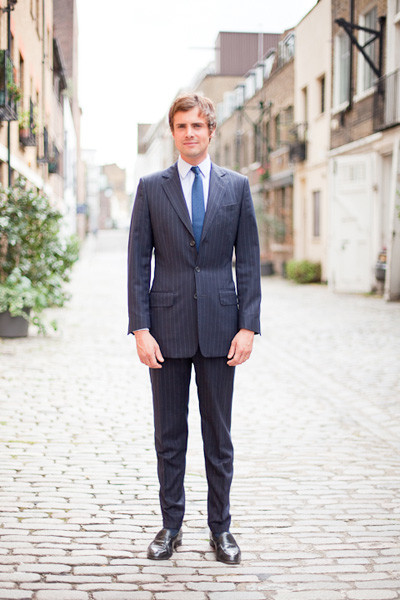
When donning a three-button suit, one may often face a sartorial conundrum: which buttons should be fastened to achieve that exquisite balance between elegance and practicality? This question not only challenges the norms of traditional menswear but also reflects the deeper intricacies of tailored attire. To navigate this delightful dilemma, we must delve into the anatomy of the suit, explore the nuances of buttoning etiquette, and culminate in the tailor’s recommendations for optimal presentation.
Firstly, let us consider the structural design of a three-button suit. Typically, this design features a notch lapel and can be made from various fabrics, ranging from classic wool to modern blends. The three buttons provide an opportunity for versatility in fastening; however, this versatility comes with its own set of guidelines. In formal settings, the norms tend to be more rigid, while casual environments allow for a more relaxed interpretation.
Now, when one contemplates the act of buttoning a three-button suit, it is incumbent to pose a question that hovers over this topic: “Are you striving for formality or seeking an air of nonchalance?” As with many fashion choices, the context often dictates the course of action. Let us dissect the buttoning strategy with an emphasis on varying situations.
For formal occasions, such as weddings, corporate meetings, or high-profile events, the preferred approach is to fasten the middle button while leaving the bottom button undone. This practice is steeped in tradition and is synonymous with a polished appearance. The rationale behind this is multifaceted: first, it accentuates the silhouette by providing a taper around the waist, thereby elongating the torso. Second, leaving the bottom button unfastened fosters a greater range of motion, particularly when seated.
However, the question arises: what of the top button? In certain elite circles, fastening the uppermost button is an acceptable practice, albeit with specific nuances. This configuration may project an aura of authority while also imbuing the ensemble with a hint of modernity. Anticipating the reactions of discerning observers may prove challenging; thus, the wearer must possess an acute awareness of both the occasion and the sentiments of the audience.
In contrast, casual settings, such as informal gatherings or relaxed brunches, may allow for varying degrees of buttoning. One might opt to fasten the top and middle buttons, thereby creating a more relaxed stance. This method introduces an element of playfulness and can elicit an approachable demeanor—something that might be particularly desirable in creative industries or social events. However, care should be taken to maintain a balance; overzealous buttoning can lead to a look that feels contrived rather than effortless.
Further complicating the decision-making process is the aspect of body type. Individuals with a more robust build may find that buttoning all three buttons invites an unflattering silhouette. For those who may be more slender, fastening the upper two buttons might create a streamlined appearance, accentuating the shape without compromising comfort. A tailored fit—engineered by a skilled tailor—can make a significant difference in how choices surrounding buttoning culminate in overall aesthetics.
Now, let us delve into the modifications that custom-tailoring can offer. A bespoke suit designed with unique button placement or alternative fastenings may provide a fresh perspective on traditional norms. For instance, a suit with a slightly higher button stance can allow for more flexibility in buttoning choices and may even redefine the very fabric of suit etiquette. Such undertakings may challenge conventional wisdom, spurring debates among sartorial enthusiasts, but can also yield remarkable results when executed with finesse.
Moreover, accessories can play a pivotal role in complementing buttoning choices. The selection of neckties, pocket squares, or lapel pins can either reinforce or challenge the formality connoted by the chosen buttoning method. A broadly patterned tie may lend itself to a more casual interpretation, while an understated solid color can elevate the overall sophisticated appeal. Careful consideration of these elements can ultimately enhance or detract from the gravitas one seeks to achieve with their three-button suit.
As we navigate this labyrinth of choices, it is imperative to remember the significance of comfort alongside style. Regardless of which buttons are buttoned, the individual’s comfort and confidence remain paramount. A well-fitting suit should not only look aesthetic but should also allow for the bearer to move seamlessly and engage in conversation without feeling restricted.
In conclusion, the decision concerning which buttons to button on a three-button suit encapsulates a broader dialogue about style, tradition, and individuality. By weighing formality against casualness, being cognizant of body types, and integrating thoughtful accessories, one can master the art of buttoning to evoke their desired impression. Ultimately, it is not merely an exercise in fashion but a representation of one’s identity and aspirations—the true essence of tailored elegance.

Leave a comment