

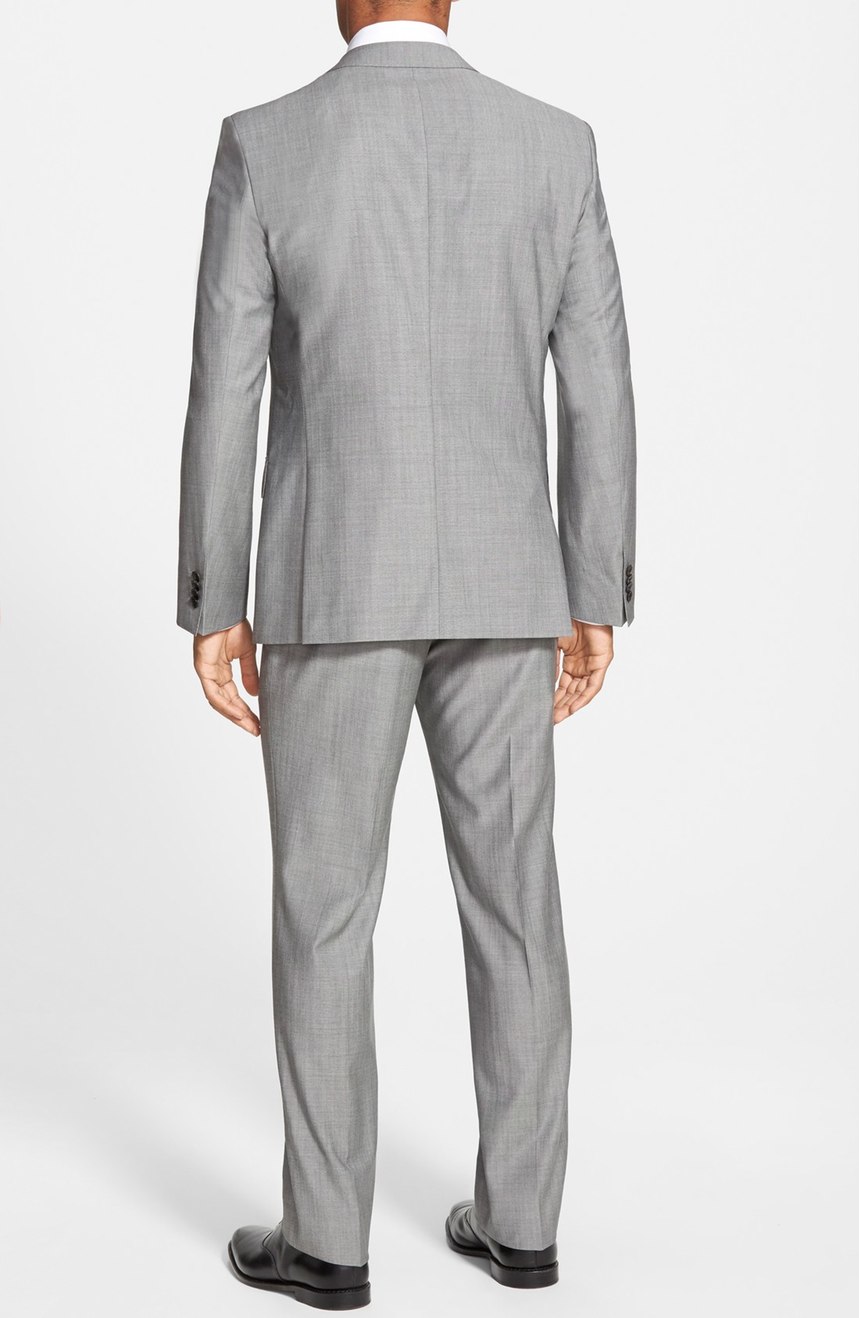
In the realm of sartorial elegance, the ensemble of a suit is not merely a fabric of threads, but an intricate tapestry woven with social cues, professional decorum, and individual expression. A peculiarity often arises when individuals confront the multifaceted question: which buttons should be fastened on a suit jacket? While such a seemingly trivial choice may pose an innocuous challenge, it unveils deeper connotations of propriety and etiquette. Let us embark on a comprehensive exploration of the art of buttoning a suit, illuminating nuances that may otherwise escape the untrained eye.
At the heart of this discussion lies the very architecture of a suit jacket. Generally, suits feature two to three buttons, each serving a purpose both functional and aesthetic. A common inquiry that arises revolves around the appropriate buttons to fasten, especially in diverse environments ranging from formal business meetings to relaxed social gatherings. This inquiry invites a playful dialogue: Is there a universally accepted mantra of buttoning, or is it contingent upon circumstance? The answer, much like the nuances of fashion itself, resides in a spectrum rather than a binary absolution.
Firstly, the quintessential two-button suit is a staple in modern professional attire, deftly balancing formality and accessibility. In most instances, the convention dictates that the top button should remain fastened while the bottom button should be left undone. This practice facilitates ease of movement, ensuring that the jacket maintains its desired silhouette without becoming cumbersome. Leaving the bottom button undone allows for a certain nonchalance, subtly signaling a blend of authority and approachability.
Conversely, when donning a three-button suit, the conventions may shift slightly. Here, the standard approach encourages fastening the middle button consistently, while the top button can be buttoned depending on personal comfort and formality of the occasion. However, the lower button traditionally remains undone, aligning itself with the prevailing wisdom associated with the two-button look. This trifecta of buttoning options opens up further room for individual expression, allowing one to adapt their presentation according to pressing context cues.
Nevertheless, the scenario becomes decidedly more intricate when we evaluate the fabric of the suit in question. The material influences not only the visual texture but also the functional dynamics of buttoning. For instance, more rigid fabrics, such as wool or tweed, lend themselves well to a fully buttoned aesthetic in colder climates, whereas lighter materials, such as linen or cotton, may call for a relaxed approach, particularly in more temperate environments. Understanding the interplay between fabric and buttoning philosophy provides an added layer of sophistication to one’s sartorial decisions.
Let us also consider the cultural nuances that inflect buttoning conventions. In certain professional realms, such as finance or law, the adherence to strictly buttoned jackets may serve to evoke a sense of seriousness or gravitas. Alternatively, creative industries may afford greater latitude, permitting individuals to experiment with unbuttoned jackets even in formal settings. This divergence raises an intriguing conundrum: How does one navigate the fine line between professionalism and personal flair?
An additional dimension to the buttoning debate lies in the context of formal versus informal gatherings. In high-stakes meetings or formal events, a fully buttoned suit often conveys respect and intention, signaling commitment to one’s role and responsibilities. Conversely, in social gatherings or networking events, slightly loosening one’s sartorial constraints could result in a more approachable demeanor. This subtle play of buttoning speaks volumes about one’s ability to read a room and adapt accordingly.
Furthermore, the articulation of one’s personal brand can significantly influence button choices. Those seeking to project confidence and competence may opt for the traditional approach of fastening the top button. In contrast, a fashion-forward individual may find empowerment in subverting norms through partial buttoning, effectively challenging conventional wisdom while still retaining an air of sophistication. The heart of this exploration raises yet another thought-provoking question: Is fashion an extension of personal identity or merely a reflection of societal standards?
As we traverse the landscape of buttoning etiquette, never underestimate the impact of attention to detail. Accessories, such as ties and pocket squares, can further embellish or tone down an outfit’s formality, allowing one to craft a coherent narrative through style. Linking the buttoning decisions to the ensemble as a whole enhances the overall visual composition and projects a well-considered persona.
In conclusion, the art of buttoning a suit emerges as a microcosm of broader fashion ideologies—melding tradition with personal expression, formality with approachability. It invites us to consider not only what we wear but how our choices communicate to the world at large. Navigating this sartorial labyrinth may often seem daunting, yet the exploration offers unparalleled rewards, enabling one to express both professionalism and individuality through each carefully fastened button. As you prepare to don your suit, pause to reflect: Which buttons will you choose to fasten today—and what story will they tell?

Leave a comment