

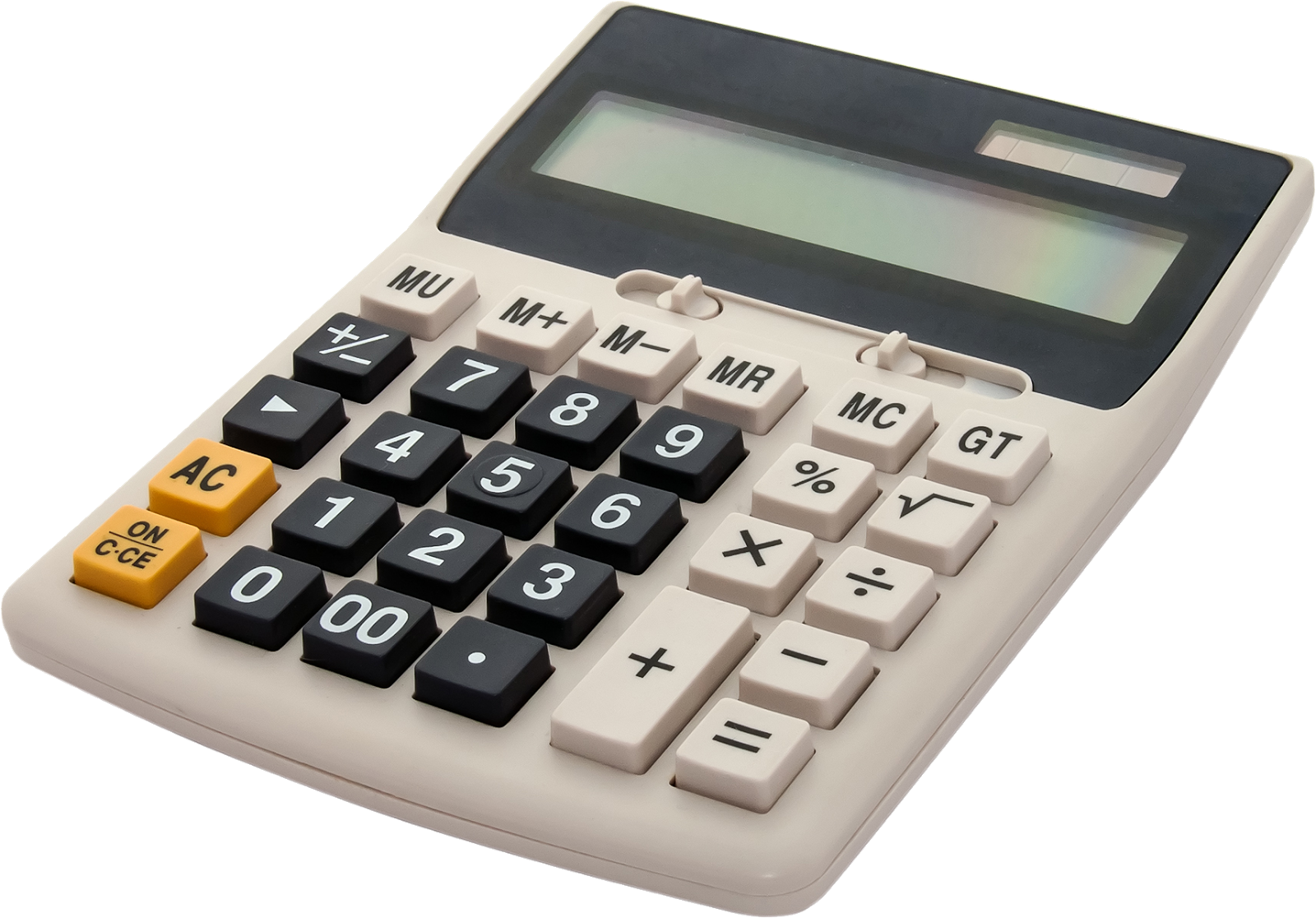
In the realm of calculators, the Texas Instruments TI-5018 was once a staple, offering users a robust combination of functionality and ease of use. However, as technology continues to evolve, so too does the landscape of electronic devices that assist in mathematical calculations. The TI-5018, designed for basic arithmetic tasks, has undergone a transformation appealing to a broader audience, seeking more advanced features and capabilities.
This discussion delves into the successor to the TI-5018, highlighting the updated model that has taken its place in both academic and professional settings. Understanding this transition requires an examination of both the computational needs of users today and the technological advancements that have facilitated this change.
Understanding the TI-5018
To appreciate the significance of the updated model, it is indispensable to comprehend the fundamental characteristics of the TI-5018. Introduced in the early 1970s, this calculator was a groundbreaking device for its time, featuring a simple interface and a reliable design. It catered to students and professionals alike, allowing for basic computations without the complexities of more advanced scientific or graphing calculators.
While the TI-5018 laid the groundwork for user-friendly educational tools, it was evident that as academic rigor increased, the demand for more sophisticated calculators burgeoned. This shift was not merely a trend but a reflection of deeper educational reforms that required a more comprehensive understanding of mathematical theories and applications.
The Evolution of Calculators
Advancements in technology have propelled forward the capabilities of calculators, transforming them into multifaceted tools that extend beyond mere computation. The transition from the TI-5018 to its successor exemplifies this phenomenon. Users began to favor models that could support graphing, statistical analysis, and advanced mathematical functions. The phenomenon of increased desire for computational efficiency speaks volumes about current educational paradigms that favor experiential learning and complex problem-solving.
In particular, calculators that incorporate graphing functions allow users to visualize mathematical concepts, a crucial aspect in higher-level mathematics. The ability to graph equations, manage matrices, and integrate calculus functions has become essential for students navigating subjects such as engineering, physics, and advanced calculus—domains that require a deeper understanding of abstract concepts.
The Successor to the TI-5018
The calculator that effectively replaced the TI-5018 encapsulates these advancements, typically showcasing a myriad of features similar to devices such as the TI-84 series. With a substantial upgrade in processing capabilities and a user-friendly interface, the new model invites users into a realm of interactive learning. These modern calculators are equipped with vibrant screens, allowing for clear differentiation of graphing functions and variable displays, which enhances the user experience significantly.
Moreover, the successor offers connectivity options, enabling users to link their devices to computers or other calculators. This connectivity plays an invaluable role in educational environments where data exchange and collaborative learning are paramount. The utility of being able to share and discuss computational techniques among peers has been recognized as a crucial element in fostering an engaging learning atmosphere.
Advanced Features and Functionalities
The updated model does not simply replicate the basic functionality of the TI-5018; it builds upon it, incorporating features that cater to contemporary educational demands. For instance, the incorporation of programmable functions empowers users to execute repetitive tasks efficiently. Additionally, supported applications such as simulation programs help in comprehending theoretical principles—an aspect often overlooked in traditional models that merely perform calculations without context or application.
Scientific and statistical features are paramount in this new calculator, as demonstrated by the integrated capability to perform complex statistical analyses and generate statistical graphs. As educational curricula evolve toward data-driven approaches, the ability to easily manipulate and analyze datasets becomes indispensable. The successor excels in this area, making it a preferred choice in academic settings where empirical data is essential.
Furthermore, the presence of an enhanced battery life and eco-friendly features reflect a commitment to sustainability—an ethos echoed by educational institutions striving to reduce their carbon footprint. The integration of solar technology in newer calculators exemplifies a synthesis of practicality and environmental consciousness.
Cultural Implications and the Future of Calculators
Finally, the transition from the TI-5018 to its successor warrants a discussion about the broader cultural implications at play. The fascination with calculators is not merely tied to their functionality; it reflects a societal shift toward digital literacy and innovation. The enhanced capabilities found in the updated models resonate with a generation that demands efficiency and effectiveness in all endeavors. Consequently, calculators have become emblematic of a larger trend toward integrating technology in education, shaping the way knowledge is disseminated and understood.
As we look to the future, calculators are likely to evolve with further technological innovations, incorporating artificial intelligence and machine learning to predict and adapt to user needs. The pathway forward is not solely defined by advancements in electronics, but by an ongoing dialogue about how we, as a society, reconcile traditional methods with progressive approaches in the quest for knowledge. Thus, the transition from the TI-5018 to its advanced counterparts is not merely about replacing a model; it signifies a new chapter in our collective educational journey.

Leave a comment