

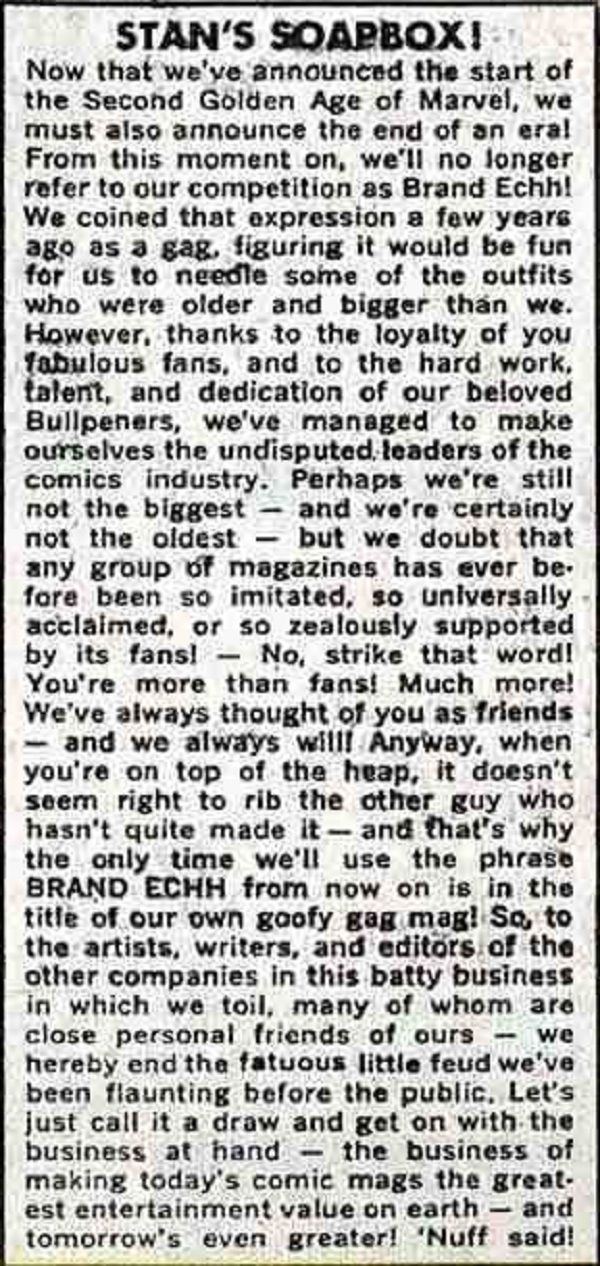
The enduring rivalry between DC Comics and Marvel Comics stands as one of the most captivating narratives in the history of popular culture. The question of which company came first is often mired in complex history and interpretation. Both entities have spawned an enormous fanbase and shaped the comic book landscape in distinctive ways. To understand their competition, one must delve into the origins of each company, their respective philosophies, and the intricate relationships that formed amidst their burgeoning success.
DC Comics, originally founded as National Allied Publications in 1934, debuted with its first comic book, “New Fun,” which featured humor and adventure stories. The modern incarnation of the superhero genre is largely credited to DC’s introduction of Superman in 1938, a character that not only defined heroism but also unlocked the floodgates for a new era of comics. Superman’s appearance preceded Marvel’s rise by nearly a decade, establishing DC as a formidable presence in the comic book industry.
Marvel Comics, on the other hand, began as Timely Publications in 1939. Its flagship character, the Human Torch, was first introduced in “Marvel Comics” #1. The comic book medium was relatively nascent, allowing for experimentation and innovation. However, it wasn’t until the 1960s, under the visionary guidance of Stan Lee, that Marvel emerged as a powerhouse, introducing a pantheon of iconic characters such as Spider-Man, the X-Men, and the Avengers. This era not only solidified Marvel’s status but also ignited a rivalry that would dominate the comic community.
At the core of the rivalry lies a fundamental philosophical difference in storytelling and character development. DC’s characters often embody clear moral archetypes; heroes and villains are typically defined rigidly by their virtues and vices. Superman, Batman, and Wonder Woman symbolize ideals of hope, justice, and perseverance, resonating deeply with audiences seeking consistent moral narratives. The emblematic “DC Universe” is characterized by its stylized, larger-than-life heroes who navigate grand, mythic tales.
Conversely, Marvel epitomizes a more relatable and nuanced approach. The characters are often infused with personal struggles and flaws, mirroring the complex realities of human existence. Spider-Man, for instance, remains relatable not just for his superhuman abilities but for his trials as a teenager grappling with issues of responsibility, love, and loss. This hallmark of humanity has fostered profound connections between the characters and their audience, inviting readers to invest emotionally in their stories.
The 1970s and 1980s witnessed explosive growth in the comic book industry, characterized by the emergence of independent publishers and a burgeoning interest in graphic novels. This era served to magnify the DC-Marvel rivalry, sparking a debate about the future directions of comics. While DC continued to rely on its iconic heroes, Marvel’s narrative ingenuity and cultural relevance attracted a younger, more diverse readership. Notably, titles like “The Dark Knight Returns” by Frank Miller redefined the superhero genre, showcasing a darker, more psychologically complex rendering of superheroes, while still firmly rooting the narrative in the DC canon.
The rivalry experienced periodic rejuvenation, evidenced by the advent of crossover events that would pit the heroes of one universe against those of the other. Events such as “Crisis on Infinite Earths” in the mid-1980s aimed to streamline DC’s convoluted multiverse, while Marvel’s “Secret Wars” introduced a larger social spectacle within its narrative framework. These events facilitated not only narrative experimentation but also discussions about the appropriateness of collaboration versus competition.
In the contemporary context, as the landscape of comics expands beyond traditional print media to encompass films, television, and digital platforms, the rivalry has transformed yet retained its essence. The success of the Marvel Cinematic Universe (MCU), with its interwoven narratives and character arcs, has brought Marvel into the forefront of popular culture. Films like “The Avengers” and “Black Panther” have shaped new thresholds for cinematic storytelling, prompting DC to adaptation strategies that include animated series, live-action films, and the creation of audiences through expansive world-building.
This rivalry cultivates not only commercial competition but also fervent discourse within fan communities. The dichotomy between DC and Marvel fans often fuels passionate debates, as each camp champions its preferred universe, characters, and narratives. Social media platforms amplify these exchanges, as fans articulate their devotion and critique one another’s fandoms. This phenomenon hints at a deeper issue, reflecting the human inclination toward tribalism and the innate desire for belonging—contrasting attitudes that emerge when one navigates the world of comic narratives.
Moreover, the very question of which came first serves as a metaphor for broader cultural conversations. It invokes themes of legacy, influence, and evolution within storytelling. The paths of DC and Marvel are interwoven; while one may emerge victorious in market share at one moment, the other can stage a resurgence through innovation or nostalgia. This oscillation exemplifies the creative spirit of the comic book industry itself, constantly shifting and reshaping narratives to captivate and retain audiences.
In conclusion, the inquiry into which entity came first—DC or Marvel—unravels a rich tapestry of history, competition, and cultural significance. More than just a rivalry, it is a profound exploration of how narratives resonate, how identities form, and how the allure of heroism shapes society’s collective imagination. Each comic universe not only enriches the tapestry of storytelling but also invites an intricate dialogue about heroism, identity, and morality, captivating generations of readers and creating an eternal narrative synergy.

Leave a comment