

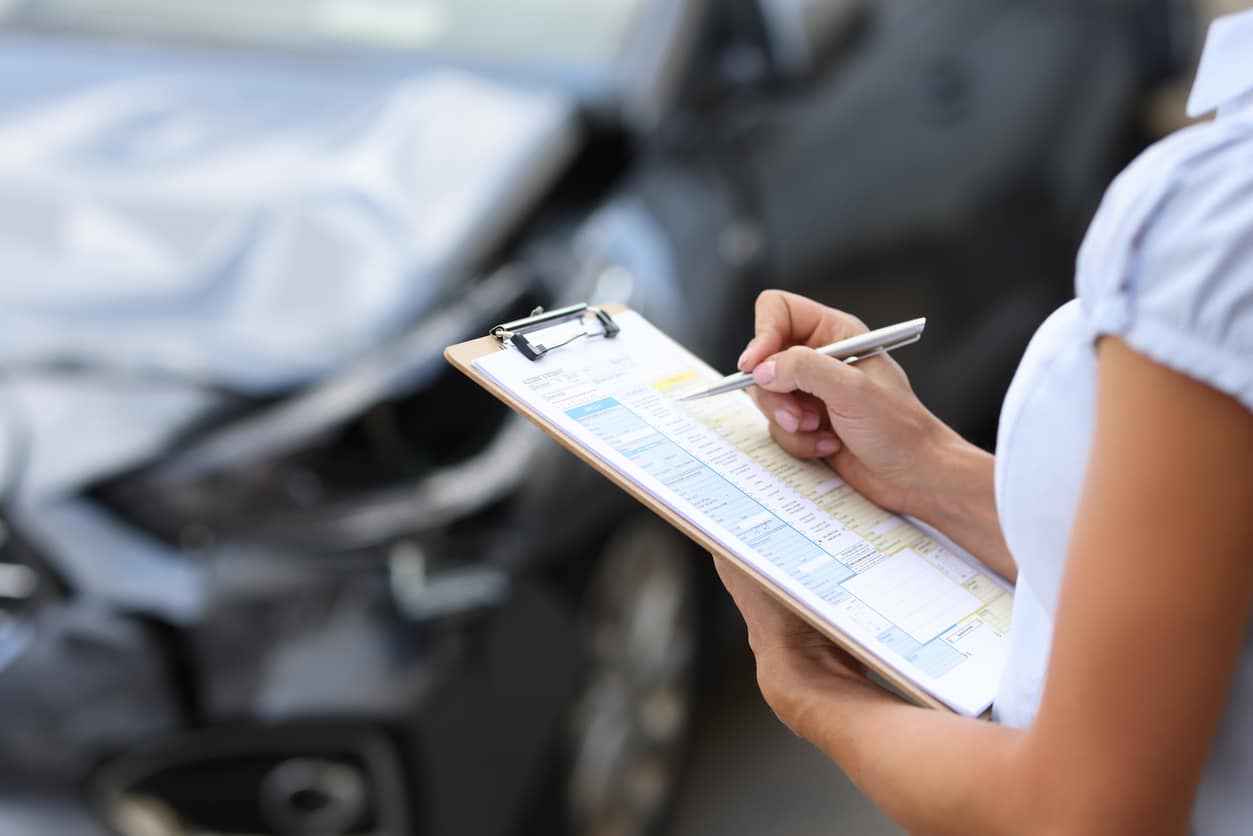
When assessing vehicular safety and the extent of damage sustained during a collision, understanding the comparative safety factors between different car makes and models is crucial. An accident not only results in material loss but can also significantly impact the occupants’ well-being. This discourse aims to elucidate which car exhibits more damage in an accident by meticulously analyzing various safety features and their implications on injury mitigation and structural integrity.
1. Structural Design and Materials
The architecture of a vehicle plays an instrumental role in its ability to withstand impacts. Modern cars are predominantly constructed using high-strength steel and reinforced materials designed to absorb and dissipate kinetic energy during a collision. Vehicles featuring advanced crumple zones exhibit superior resistance to damage as these zones are engineered to deform in a controlled manner, thereby safeguarding the passenger compartment.
Conversely, vehicles with rigid structures may suffer greater damage as they prioritize safety through sturdiness rather than absorbent designs. It is essential to evaluate how the materials employed in a car’s construction factor into its susceptibility to damage in a collision.
2. Safety Ratings and Crash Tests
Comparative analysis of these ratings between competing models can shed light on which vehicles have historically sustained less injury and destruction. A vehicle boasting commendable crash-test ratings is often engineered to incorporate safety features that significantly diminish the risk of severe damage during an accident.
3. Advanced Safety Features and Technology
In recent years, automotive manufacturers have begun to incorporate a plethora of advanced safety technologies, such as automatic emergency braking, lane departure warnings, and adaptive cruise control. These features not only aim to prevent accidents but also reduce the severity of impact when a collision is inevitable.
For instance, vehicles equipped with collision avoidance systems may sustain less damage in low-speed accidents due to their proactive engagement in mitigating a crash. On the contrary, cars lacking such technologies are often more susceptible to incurring significant damage, as they rely solely on the driver’s reaction time and decision-making skills.
4. Vehicle Weight and Size
The mass and dimensions of a vehicle can significantly influence the extent of damage incurred during an accident. Heavier vehicles generally exhibit more formidable crashworthiness due to their mass, which can afford them greater protection against lighter vehicles in multi-vehicle collisions. However, this also raises a critical concern regarding the abuse of size; larger vehicles may cause disproportionate damage to smaller cars during a crash, leading to complex legal ramifications stemming from liability.
When navigating the complexities of accidents, it is vital to consider how the relative weight and circumference of the vehicles involved dictate the outcome of damages incurred.
5. Types of accidents and their implications
Additionally, the positioning of crumple zones is pivotal in determining how effectively a vehicle can absorb impact forces. Manufacturers that adeptly balance the vehicle’s aesthetic elements with functional safety design often fare better in crash scenarios.
6. Post-Collision Analysis and Insurance Implications
The aftermath of an accident, particularly concerning insurance claims and repairs, can elucidate the extent of damage sustained by each vehicle. Vehicles classified as total losses not only reflect extensive structural injury but also serve to highlight the disparity in material and design integrity among different makes and models.
Insurance assessments play a role in determining whether a vehicle is repairable or amounts to a total loss, thus affecting the vehicle’s perceived safety performance. Understanding the nuances of post-collision evaluations reveals the hidden costs associated with automobile safety and potential long-term damage to vehicle valuation.
7. Consumer Awareness and Decision Making
In today’s automotive marketplace, consumer awareness regarding safety ratings and the impact of vehicle design on accident outcomes is paramount. Prospective buyers should prioritize understanding stellar safety records while also considering consumer reviews and real-world crash performance data. This knowledge empowers consumers to make informed decisions based on safety and damage risk profiles rather than superficial attributes.
Conclusion
In summation, discerning which car sustains more damage in an accident involves a thorough examination of myriad factors including structural design, safety ratings, advanced safety features, vehicle size, types of accidents, post-collision assessments, and informed consumer choices. Knowledge in these areas not only enhances the understanding of automotive safety but also facilitates smarter purchasing decisions that can significantly affect the longevity and integrity of the vehicle.

Leave a comment