

When considering bringing a feline companion into your home, a plethora of factors come into play. Beyond the charming antics and soothing purrs lies a practical consideration that often goes unexamined: shedding. Which cats shed the most, and which breeds demand extensive fur maintenance? This inquiry holds profound relevance for potential cat owners, particularly those with sensitivities to allergens or an aversion to frequent cleaning. Moreover, for anyone perhaps already entangled in the pursuit of maintaining the aesthetic appeal of their home, the thought evokes a playful challenge: can one manage a cat renowned for its heavy shedding without succumbing to chaos?
The quest to navigate the world of cat breeds reveals that not all are created equal regarding fur management. First, it is essential to understand that shedding in cats can be attributed to various factors, including breed characteristics, environmental conditions, and dietary influences. To unearth the breeds that shed the most and necessitate diligent grooming routines, it can be valuable to delve into specific categories of cats, particularly those adorned with long, luxurious coats.
Among the long-haired varieties, few breeds surpass the majestic Maine Coon in terms of shedding. The Maine Coon, often deemed the “gentle giant” of the feline world, possesses a double-layered fur coat designed to protect it from the harsh climates of its native North America. While their personalities are often as grand as their size, their fur demands a rigorous grooming schedule to mitigate the inevitable shedding. Owners should anticipate the need for frequent brushing sessions, as neglecting this can result in matting and excessive hair loss throughout the home.
Equally notable is the Persian cat, distinguished by its extremely dense and long fur that drapes elegantly from its regal form. Persians require meticulous grooming on a daily basis to maintain their beautiful appearance and minimize shedding. As with the Maine Coon, their fur can become matted if not properly cared for, presenting a significant challenge for prospective owners. Additionally, the indoor lifestyle that many Persians lead contributes to their propensity to shed, particularly during seasonal changes.
Transitioning from the lengthy fur of the Maine Coon and Persian, the Ragdoll breed warrants attention for both its affectionate demeanor and substantial shedding. With semi-long hair, Ragdolls exhibit seasonal shedding patterns and require regular grooming to control hair loss. Their docile nature and inclination to follow their human companions around add a layer of charm to their care, making them endearing despite the fur management they entail.
However, shedding is not limited to long-haired breeds. The British Shorthair, a robust and muscular breed, possesses a thick, plush coat that also demands maintenance. While their short fur might seem easier to manage, owners often find themselves tackling issues of shedding due to the density of their coat. Regular brushing is essential to keep loose fur at bay and to maintain the health of their skin and coat. This breed’s temperament and easy-going nature may provide a delightful offset to the grooming requirements, yet it is essential to consider the additional cleaning efforts necessary to manage shedding.
An additional breed that demands attention is the Siberian cat, known for its incredible resilience to cold temperatures and a thick triple coat that serves both beauty and warmth. These fascinating creatures shed more than one might anticipate, particularly in spring and autumn when they shed their winter coat. Regular grooming is imperative to prevent matting and to collect loose hairs that would otherwise accumulate throughout the living space.
To further refine the understanding of shedding, it is important to note the seasonal patterns associated with most of these breeds. The phenomenon known as “blowing coat” typically occurs in spring and fall, when cats respond to changing daylight hours and temperature fluctuations. This biological response leads to increased shedding, further emphasizing the need for adaptable grooming sessions.
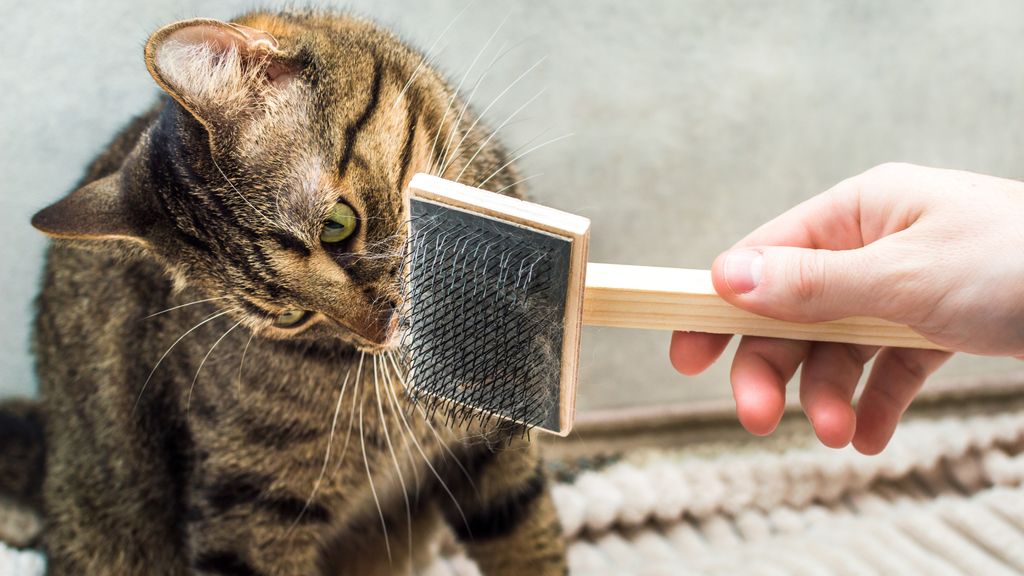
In addressing the fur maintenance challenge, one must consider the effective tools available to combat shedding. High-quality grooming brushes designed for specific coat types can greatly enhance the grooming experience, as can grooming gloves that allow for a more tactile encounter with a cat’s coat. Moreover, investing in specialty de-shedding tools can significantly reduce loose hairs, augmenting the comfort of both owners and their feline friends.
In parallel with grooming, nutrition plays an indispensable role in maintaining a healthy coat and reducing shedding. Diets enriched with omega fatty acids, essential vitamins, and minerals can enhance coat health and minimize excessive hair loss. Therefore, potential cat owners are encouraged to consult with veterinarians to determine the most beneficial nutritional approaches tailored to their selected breed’s specific needs.
In conclusion, the exploration of which cats shed the most reveals a fascinating interplay of breed characteristics and grooming requirements. Whether drawn to the flowing fur of the Maine Coon or the robust coat of the British Shorthair, potential cat owners must weigh the allure of these breeds with the commitment to diligent maintenance. However, with proper grooming techniques, an understanding of seasonal shedding patterns, and a focus on nutrition, the challenge of managing a shedding cat can evolve from a daunting task into a rewarding aspect of companionship. Ultimately, one’s dedication to addressing these elements will pave the way for a harmonious coexistence with their furry friend.

Leave a comment