

The phenomenon of combustion is a fundamental chemical reaction that captivates the imagination of both scientists and laypersons alike. It encompasses a variety of processes, all of which result in the rapid exothermic reaction between a fuel and an oxidant, yielding heat and light as primary products. Understanding the factors that can augment the rate of reaction during combustion not only unveils the intricate mechanisms underlying this age-old process, but also enhances our ability to harness fire for practical applications. This discourse delineates various modifications that can effectively amplify combustion rates.
The rate of reaction in combustion is influenced by several pivotal factors, including surface area of the fuel, concentration of reactants, temperature, and the presence of catalysts or inhibitors. Each of these elements plays a consequential role in the kinetics of the reaction.
1. Surface Area of the Fuel
The surface area of the fuel in contact with the oxidant is paramount. A larger surface area facilitates more frequent collisions between fuel molecules and oxidizers, thereby increasing the rate of reaction. For instance, when comparing two types of wood used for burning, finely shredded wood chips will combust far more rapidly than sizable logs. This principle can also be exploited by using powdered metals, such as magnesium or aluminum, which can combust violently when introduced to oxygen in their powdered form. The increased surface area maximizes exposure, leading to expedited combustion.
2. Concentration of Reactants
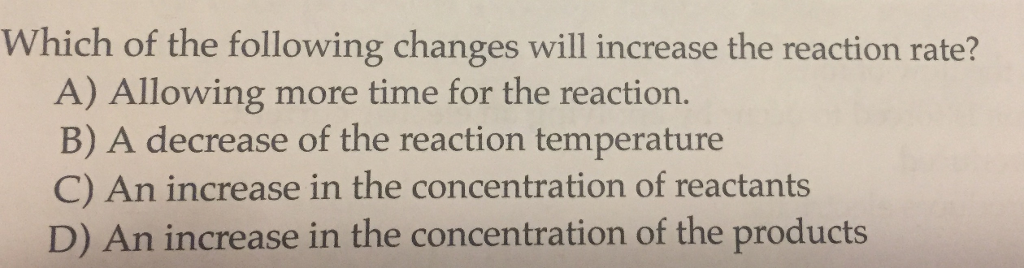
Next, the concentration of both the fuel and oxidant significantly influences the speed of combustion. Concentrated mixtures of reactants provide a higher likelihood of collision events, thereby enhancing the reaction rate. A practical illustration of this is observed in gas stoves, where a higher pressure and concentration of natural gas lead to a more vigorous flame. Similarly, increasing the oxygen concentration in scenarios of gaseous combustion can substantially augment the reaction rate, as more oxidizing agents are available to react with the fuel.
3. Increased Temperature
Temperature is perhaps one of the most critical factors affecting combustion rates. The endothermic nature of heating reactants accelerates molecular movement, thereby providing reactant molecules with sufficient energy to overcome the activation energy barrier. This phenomenon is frequently observed in engines, where the application of heat increases fuel volatility and ignitability. Furthermore, the importance of temperature is equally observable in spontaneous combustion instances, where certain materials like oily rags can ignite without an external ignition source when they reach their ignition temperature through self-heating.
4. The Role of Catalysts
Catalysts are substances that increase the speed of a reaction without undergoing permanent alteration themselves. In the context of combustion, catalysts can lower the activation energy, allowing for a more rapid initiation of the combustion process. A commonly employed example can be found in catalytic converters in automobiles, which utilize catalysts to convert harmful exhaust gases into less toxic emissions while enhancing the overall combustion efficiency. Though primarily aimed at the oxidation of hydrocarbons, the underlying principles can be extrapolated to understand combustion in broader contexts.
5. The Influence of Pressure
Pressure is another salient factor that can affect the rate of combustion, particularly in gaseous reactions. Increasing pressure compresses the reactants, elevating their concentration and consequently enhancing reaction rates. This is especially relevant in industrial operations where pressurized combustion processes yield high efficiency. The behavior of gas mixtures can be elucidated through concepts derived from the ideal gas law, which emphasizes the correlation between pressure and reaction rate.
6. Utilizing Additional Oxidizers
In certain applications, employing additional oxidizers can significantly increase the combustion rate. For instance, the use of oxygen-enriched air or chemicals such as hydrogen peroxide can amplify the oxidizing environment, facilitating a more robust combustion reaction. This principle is crucial in rocket propulsion systems, where the reaction rates need to be exceptionally high to generate the thrust necessary for space travel.
7. Enhancing Mixing Techniques
Effective mixing of reactants can profoundly impact the rate of combustion. Ensuring adequate homogeneity of the fuel and oxidizer minimizes the time taken for the reaction to commence and can prevent localized heating, which could otherwise lead to inefficient combustion. Techniques such as vigorous stirring in solid-fuel reactions or proper atomization of liquid fuels in engines ensure better mixing, leading to maximized reaction rates.
8. The Role of Inhibitors
Conversely, while some substances can catalyze combustion, others can inhibit the process. Understanding how inhibitors function can be valuable in scenarios where fire prevention is crucial. Substances such as carbon dioxide or certain halogenated compounds are utilized in firefighting, as they disrupt the reaction chain and effectively slow down combustion, showcasing an array of interactions governing combustion processes.
Conclusion
In summary, the intricacies of combustion reactions reveal a fascinating tapestry of interactions governed by physical and chemical principles. Options for enhancing combustion rates range from optimizing surface area to manipulating temperature and using catalysts. Each change can elicit profound effects on the efficiency and speed of combustion processes, ushering in a better understanding of fire management, energy production, and environmental considerations. As we continue to delve into the nuances of combustion chemistry, further discoveries await that may enhance both our practical applications and theoretical comprehension of this captivating phenomenon.

Leave a comment