

In today’s ever-evolving business landscape, a pertinent question arises: Which channel has the greatest reach in marketing distribution? This inquiry challenges organizations to scrutinize the myriad pathways through which they can disseminate their products and services. With the proliferation of digital media, traditional marketing channels no longer dominate the conversation as they once did, giving rise to an array of options that can be both daunting and exhilarating for marketers. In this discourse, we will explore various marketing channels, their reach, effectiveness, and how businesses can strategically harness these avenues to optimize their distribution efforts.
To understand the complexities of marketing distribution, it is imperative to define what constitutes a marketing channel. A marketing channel, often known as a distribution channel, serves as the conduit through which products or services flow from producers to consumers. The effectiveness of these channels can be gauged by their reach—essentially, how many potential customers have access to the offerings being promoted. As we delve deeper, we will examine various types of marketing channels, scrutinizing their attributes, challenges, and potential for outreach.
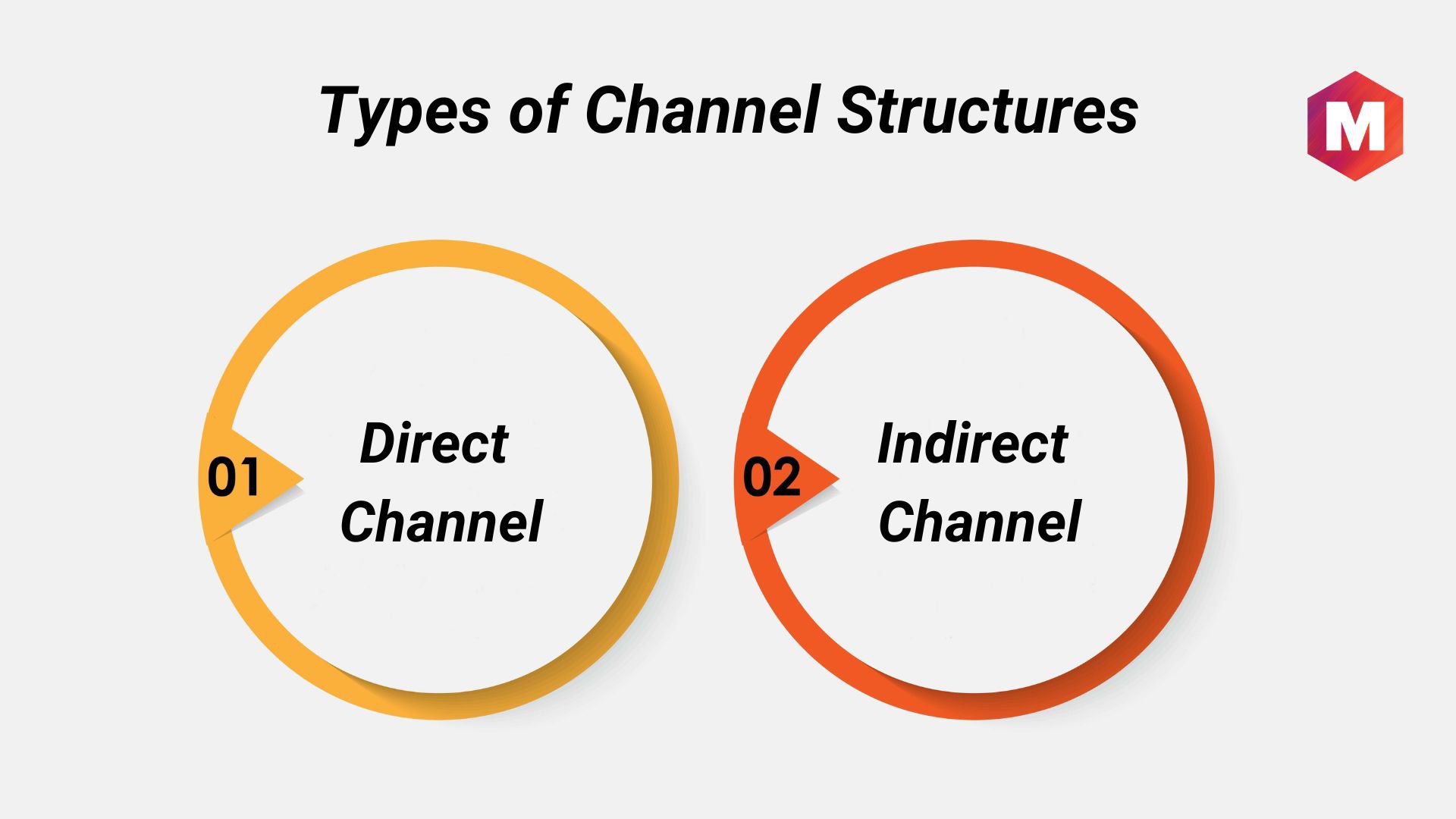
One of the most traditional yet enduringly effective channels remains the direct sales approach. This method allows businesses to interact directly with consumers, thus fostering a personalized experience that can enhance customer loyalty. Companies employing direct sales can uniquely tailor their messaging, which often leads to higher conversion rates. However, the challenge lies in the scalability of such an approach; as businesses grow, reaching a broader audience through direct sales can become increasingly cumbersome.
In juxtaposition to direct sales, the role of intermediaries—such as wholesalers and retailers—cannot be understated. These entities function as critical links within the distribution network, helping to amplify product availability across various markets. By leveraging the established infrastructure of retailers, manufacturers can achieve a more extensive reach without incurring the exhaustive costs associated with setting up direct sales operations. Nevertheless, reliance on intermediaries poses its own quandary: maintaining control over the branding and customer experience can become challenging as the number of intermediaries increases.
As digital platforms gain predominance, online marketing channels emerge as formidable contenders for outreach supremacy. E-commerce websites, social media platforms, and email marketing are just a few of the digital arenas where brands can proliferate their presence. Social media platforms, in particular, offer unprecedented access to global audiences, allowing brands to create multi-faceted campaigns that resonate on visceral levels. Interactive content, influencer partnerships, and user-generated submissions can all work synergistically to enhance visibility and engagement.
Yet, while these digital arenas yield great potential for reach, they also present unique challenges. The landscape is perpetually saturated; navigating the intricacies of algorithms, audience segmentation, and content curation requires strategic dexterity. Furthermore, measuring the actual impact of social media campaigns on sales conversion remains a persistent conundrum for marketers. More often than not, businesses find themselves grappling with the ephemeral nature of digital interaction, questioning the long-term value of transient impressions.
Conversely, email marketing stands as a stalwart in the realm of digital outreach. Despite the advent of social media, email remains one of the most effective channels for direct communication, often yielding notable returns on investment. With the ability to target specific demographics and deliver personalized content, email marketing facilitates nuanced engagement. However, it is not without its pitfalls. The risk of entering the “spam” folder and the ever-dwindling attention spans of consumers mean that crafting compelling and succinct messages becomes paramount.
In our exploration, we must not overlook the burgeoning realm of affiliate marketing. By collaborating with partners who promote products on their platforms, businesses can leverage existing audiences without substantial upfront investment. This performance-driven channel offers companies the opportunity to amplify their reach exponentially—if, and only if, they establish effective partnerships. A significant challenge lies in choosing affiliates whose audience aligns closely with the brand’s target market; misalignment can result in wasted resources and disjointed messaging.
For businesses aiming for widespread visibility and engagement, a multi-channel approach often proves most effective. Employing a harmonious blend of traditional, digital, and affiliate marketing strategies can create a comprehensive distribution network that maximizes reach. However, this plurality brings its own set of difficulties, including resource allocation, messaging consistency, and campaign coherence.
As the marketing landscape continues to shift, companies must be agile and responsive to evolving consumer behaviors and preferences. The ability to analyze data—understanding which channels produce tangible results—empowers businesses to make informed decisions. The quest for the channel with the greatest reach is not a search for absolutes; rather, it entails a nuanced understanding of diverse channels, careful consideration of audience dynamics, and a willingness to adapt strategies as necessary.
In conclusion, while various channels possess distinct attributes and challenges, the most effective marketing distribution channels should be viewed through the lens of a comprehensive strategy that aligns seamlessly with business objectives. The question of reach transcends mere numbers; it encapsulates the essence of connecting with consumers in meaningful ways, ensuring that brands not only reach their intended audiences but also resonate deeply within them. As businesses strive to conquer this intricate landscape, the overarching objective remains clear: to deliver value to consumers through innovative distribution methodologies that foster enduring relationships.

Leave a comment