

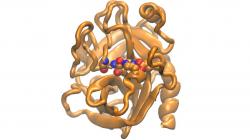
Within the intricate tapestry of enzymology, the conversion of trypsinogen to trypsin is a captivating phenomenon. This transformation is akin to the metamorphosis of a chrysalis into a butterfly, a process that unfolds with precision and biological artistry. At the core of this biochemical transition lies a singular yet potent chemical, which acts as the catalyst for activation: enteropeptidase.
Understanding the nuances of this activation process requires a dive into a nuanced world of biochemistry, where proteins fold and unfold, and where sculpted molecular shapes dictate functionality. Trypsinogen, an inactive precursor known as a zymogen, resides in the pancreas, awaiting its call to action. This zymogen’s journey toward activation embarks with the presence of enteropeptidase, an enzyme that resides in the duodenum—the first segment of the small intestine.
When food enters the duodenum, it stirs a symphony of digestive processes. The release of enteropeptidase is one such overture, triggered primarily by the presence of bile and partially digested proteins. The hero of our narrative, enteropeptidase, cleaves a specific peptide bond in trypsinogen; this pivotal act unmasks the enzyme’s active site and thus liberates trypsin from its latent form. The unfolding of this latent potential marks the initiation of a cascade of enzymatic reactions critical for protein digestion.
In the grand scheme of digestion, trypsin operates not in isolation but as part of a larger ensemble. Following the activation of trypsin from trypsinogen, this enzyme engages in an intricate dance with other zymogens, such as chymotrypsinogen, procarboxypeptidase, and proelastase. Each of these zymogens is rendered operational through the proteolytic actions of trypsin, facilitating the breakdown of proteins into smaller peptides and ultimately into amino acids. Essentially, trypsin acts as a maestro orchestrating the concert of digestive enzymes, ensuring that the protein molecules are deftly dismantled into absorbable units.
The sequence of events described is not merely a testament to the efficiency of biological processes but a reflection of evolutionary prowess. Nature’s design revels in both simplicity and complexity. The requirement of enteropeptidase for activation signifies an elegant control mechanism—an evolutionary safeguard against premature enzymatic activity that could lead to autodigestion or cellular damage. The precision of this system ensures that enzymes like trypsin do not wreak havoc whilst still within the pancreas, accentuating the exquisite balance inherent in biological systems.
As we traverse deeper into the mechanics of trypsinogen’s transformation, it becomes evident that enteropeptidase is not the sole player of importance. The environment in which this activation occurs—the intestinal lumen—also holds significance. The luminal pH, maintained around neutral to slightly alkaline levels, fosters an ideal landscape for enteropeptidase to effectively engage its substrate. This specificity illustrates an important principle in enzymatic reactions: the interplay of molecular structures and environmental conditions can profoundly influence the efficacy and outcome of biological transformations.
In addition to the physiological context, the implications of trypsin activation extend into the realms of medical science and pathology. For instance, abnormalities in trypsinogen and enteropeptidase can lead to various disorders, including pancreatitis, cystic fibrosis, and certain types of cancer. With this knowledge, researchers and clinicians can delve into the intricacies of diagnostics and therapeutic interventions, utilizing the understanding of trypsinogen activation as a cornerstone for developing novel treatments and management plans for gastrointestinal diseases.
The narrative surrounding trypsinogen and its activator, enteropeptidase, serves as a profound reminder of the interconnectedness of biology. It illustrates how a singular chemical interaction can set into motion a series of events that are pivotal for life and health. The transformation of trypsinogen highlights the delicate balance nature strives to uphold, wherein every enzyme must perform its role meticulously, like a skilled artisan carefully chiseling away at an unrefined stone to reveal the masterpiece within.
Ultimately, the activation of trypsin from its zymogenic form is an exquisite ballet of biochemical engineering, underscoring both the elegance and complexity of life at the molecular level. In the grand theatre of enzymology, enteropeptidase takes center stage, illuminating the vital processes that sustain life through the intricate dance of molecular interactions. Recognition of such biochemical phenomena enriches our understanding and appreciation for the remarkable systems that underlie all biological activity.

Leave a comment