

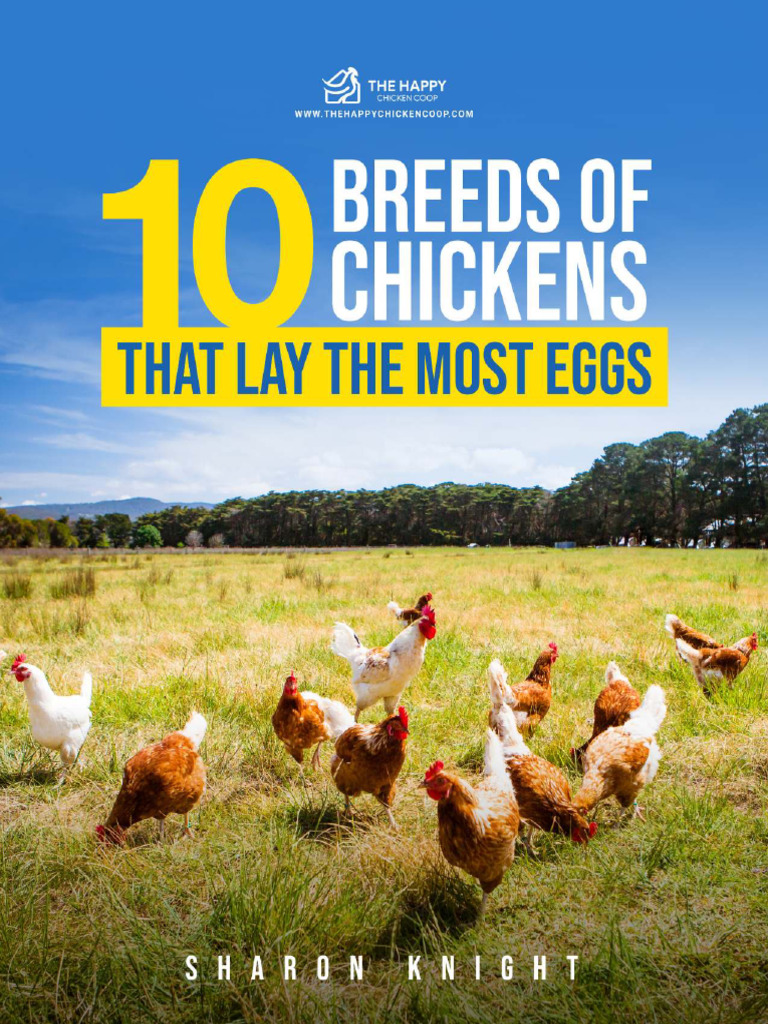
In the realm of poultry farming, one of the quintessential concerns for enthusiasts and commercial poultry keepers alike is the egg-laying capacity of various chicken breeds. This detailed exploration seeks to identify which chicken breeds lay the most eggs in 2025, providing insight into the characteristics, advantages, and expectations associated with each breed. The breeds discussed herein are selected not merely for their prolificacy but also for their suitability to diverse farming environments—including both backyard and industrial settings.
1. Leghorn
Renowned for their exceptional egg-laying prowess, Leghorns remain a top choice among poultry farmers. These birds are characterized by their sleek white feathers, robust constitution, and remarkable adaptability to a variety of climates. A Leghorn hen can lay an impressive average of 280 to 300 eggs per year. Beyond their prolific output, they exhibit a spirited temperament and foraging ability, enabling them to thrive on minimal feed without compromising their egg production. Their hardy nature and resilience to common poultry diseases add to their appeal.
2. Rhode Island Red
Rhode Island Reds are celebrated for their dual-purpose functionality, providing both meat and a substantial egg yield. Typically, a Rhode Island Red hen lays about 260 to 300 brown eggs annually. Their hardiness and excellent foraging instincts make them well-suited for free-range environments. Furthermore, they are known for their docile temperament, making them a favorite among backyard keepers. The breed’s adaptability to various climates enhances its desirability, ensuring a consistent supply of eggs throughout the year.
3. Australorp
The Australorp is a breed notable for its extraordinary egg-laying capabilities and adaptability to confinement. Originating in Australia, these chickens can produce around 250 to 350 eggs annually, depending on management practices and environmental conditions. Their glossy black plumage and endearing nature make them an appealing addition to any flock. Australorps are particularly renowned for their efficiency in feed conversion, yielding a gratifying number of eggs with relatively low feed costs. Their resilience against disease makes them an excellent choice for both novice and experienced poultry keepers.
4. Sussex
Sussex chickens are lauded for their charm and versatility. This breed offers an average egg production of 250 to 300 eggs per year, thriving in varied environments. Their friendly disposition makes them cherished pets in backyard settings, while their dual-purpose capabilities serve the needs of more commercial operations. Their eggs, typically tinted a light brown, add aesthetic appeal to the egg basket. Furthermore, Sussex hens demonstrate foraging behaviors that enhance their well-being and contribute to their overall egg production efficiency.
5. Plymouth Rock
Plymouth Rocks are particularly notable for their striking appearance, marked by a distinct barred pattern. This breed averages a commendable production of around 200 to 280 eggs annually. Easy to manage and exceptionally sociable, Plymouth Rocks are often recommended for small farms and backyard flocks. This breed’s amiable nature encourages gentle interactions, fostering a calm environment. Their adaptability to varying environmental conditions, coupled with their moderate feed requirements, result in a satisfying return on investment in terms of egg production.
6. Orpington
Renowned for their calm demeanor and striking plumage, Orpingtons are dual-purpose birds producing approximately 180 to 280 eggs each year. Known for their friendly nature, they are superb for families and novices. The docility of Orpingtons allows for easier handling and integration into an existing flock. Their eggs, which are medium to large in size, tend to be brown, adding variety to the egg collection. Adaptability to cold climates further establishes Orpingtons as a staple breed for egg production in diverse environments.
7. Cornish
The Cornish breed may not be primarily recognized for egg production, but it is significant in the context of meat production. Notably, however, Cornish hens offer an average of 150 to 200 eggs annually. These birds are muscular and hearty, often contributing to attractive stock for meat markets. While less common for egg-laying than others on this list, their capacity should not be underestimated, as they provide supplemental egg production alongside meat output for smallholder systems.
8. Delaware
Delaware chickens present an appealing proposition due to their dual-purpose characteristics. They typically lay around 200 to 250 eggs per year and are valued for their rapid growth and good meat quality. Having bred primarily for commercial egg production, Delawares have adapted well to backyard and small farm systems. Notably, their friendly disposition enhances flock dynamics and encourages a low-stress environment conducive to optimal egg laying.
9. Campine
This lesser-known breed, originating from Belgium, is gaining traction due to its impressive laying ability of up to 220 eggs per year. Campines are recognized for their striking golden or silver plumage and exhibit adaptability to various environments. Their docile nature, coupled with their propensity to forage proficiently, makes them ideal for free-range conditions. As they have a propensity for high egg yield and low feed consumption, they represent a sustainable choice for the modern poultry keeper.
10. Red Star
Last but certainly not least, Red Star chickens exemplify exceptional productivity, laying upwards of 300 eggs per year. A hybrid breed developed for optimal performance, they possess a sociable disposition and are relatively low-maintenance. Their adaptability to confinement and free-range systems makes them a versatile option for poultry farming. The contrast of their reddish-brown feathers and the consistent quality of their eggs contributes to their popularity among commercial producers.
In conclusion, selecting chicken breeds for high egg production requires careful consideration of individual requirements, management practices, and environmental factors. The breeds highlighted possess unique attributes that cater to varied farming approaches. From prolific layer-specific breeds like Leghorns and Red Stars to the dual-purpose prowess of Rhode Island Reds and Sussex, each offers valuable contributions to a sustainable and profitable poultry operation in the years ahead. With attention to breed characteristics, potential poultry keepers can cultivate an efficient and enjoyable experience in egg production.

Leave a comment