

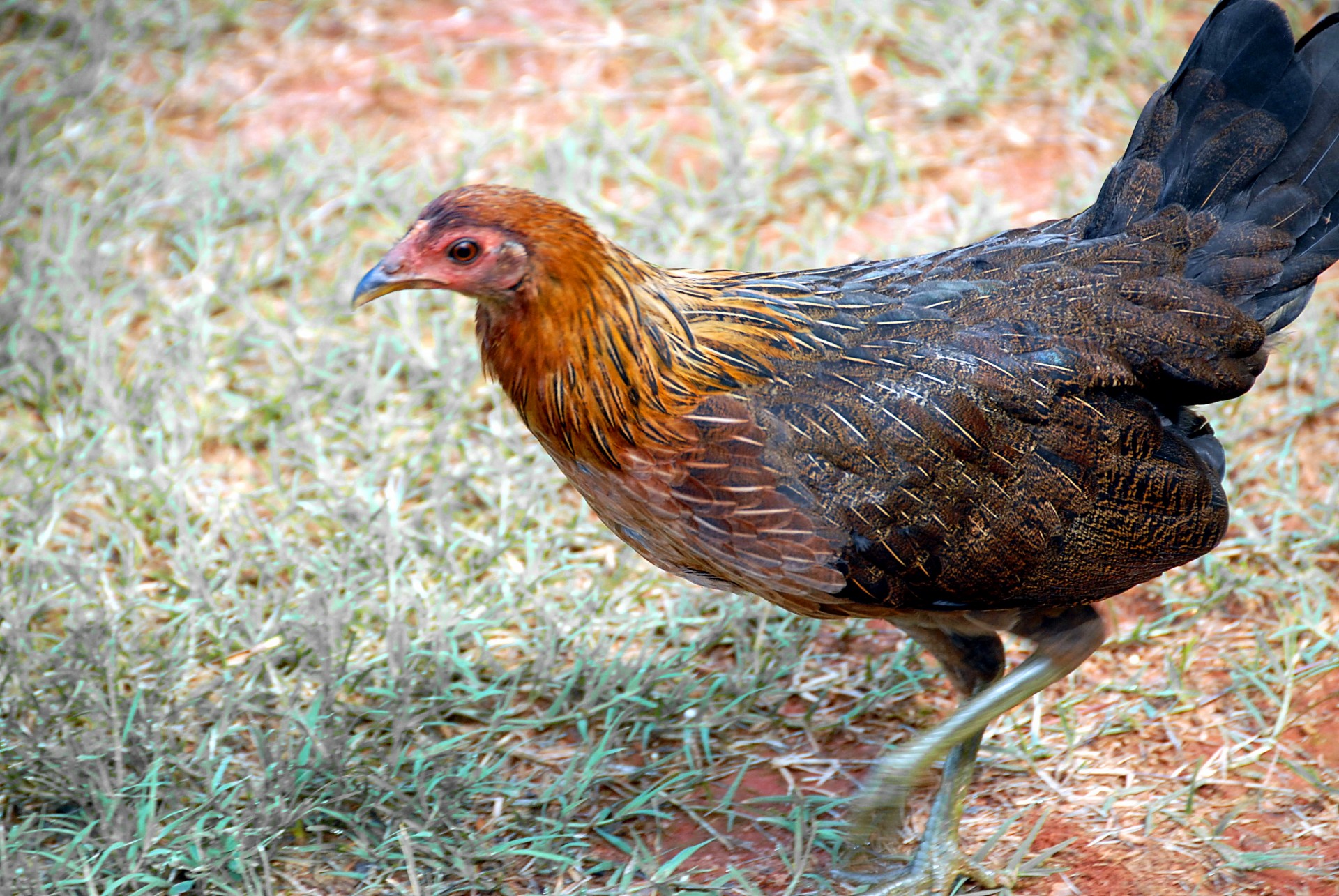
When one considers the avian world, the chicken stands as a remarkable emblem of productivity—a veritable goldmine of egg production that captivates both farmers and culinary enthusiasts alike. The chicken’s ability to lay eggs can be likened to a skilled artisan whose work is not merely an occupation but a testament to their prowess. The world of poultry is richly adorned with a myriad of breeds, each varying significantly in their productivity, temperament, and adaptability. Understanding which chickens produce the most eggs requires an exploration into their intrinsic characteristics and the factors that influence their output.
The pursuit of the prolific egg-layers resembles a quest for the Holy Grail among poultry: a pursuit fueled by a desire for high yield and sustainability. The landscape is dotted with prolific layers, each vying for the title of supreme egg producer. This article delves into the productivity rankings of chicken breeds renowned for their egg-laying capabilities, elucidating the traits that render them prolific.
1. The Leghorn: A Beacon of Productivity
In the pantheon of egg-laying champions, the Leghorn emerges as a paragon of fecundity. Historians trace their lineage back to Italy, and they have since flourished in various environments worldwide. The Leghorn lays an astonishing 280 to 300 eggs yearly, showcasing a sleek, aerodynamic form and a spunky disposition. Their feathers are often white, symbolizing purity and abundance—a fitting image for a breed that consistently delivers a high volume of eggs.
Moreover, Leghorns are renowned for their hardiness and ability to adapt to diverse climates. They thrive in free-range settings but are equally at home in confined spaces, making them versatile neighbors in both modest backyards and expansive farms. Their relentless drive to lay not only enhances productivity but also captivates those who wish to harness the power of poultry for sustainable practices.
2. The Rhode Island Red: The Resilient Workhorse
As one traverses the landscape of egg-laying breeds, the Rhode Island Red stands resolute—a robust workhorse that epitomizes resilience and dependability. This breed graces farms with its inherent charm and amiable nature. Boasting a prolific output of approximately 250 to 300 brown eggs annually, the Rhode Island Red exemplifies hardiness. Their deep mahogany plumage recalls the richness of the earth, embodying both nourishment and fecundity.
These chickens exhibit excellent adaptability to varied environmental conditions, making them an appealing choice for both novice and seasoned poultry enthusiasts. Their amiable demeanor often endears them to backyard chicken keepers, while their steady egg-laying capabilities serve as a reliable source of sustenance.
3. The Australorp: A Gentle Giant
In the realm of black-feathered poultry, the Australorp emerges as a gentle giant silently delivering a remarkable productivity level. Originating from Australia, this breed combines elegance with efficiency, contributing approximately 250 to 300 eggs per year. Their striking black plumage, reminiscent of twilight skies, serves as a visual metaphor for the promise of nourishment and prosperity.
Australorps are celebrated for their calm disposition and remarkable temperament, often making them a perennial favorite among families. Their adaptability to different environments and sturdy nature renders them formidable contenders in the race for egg production supremacy.
4. The Sussex: The Forager’s Delight
If chickens were poetry, the Sussex would be a lyrical ode to nature’s bounty. Known for their graceful presence, Sussex chickens lay around 250 to 300 eggs annually. These prolific layers thrive on free-range systems, relishing foraging as part of their daily existence. With plumage ranging from red to speckled, they epitomize the kaleidoscope of colors found on a vibrant farm.
Sussex chickens embody the symbiotic relationship between the land and fowl, as they thrive in diverse environments while producing an ample supply of eggs. Their whimsical nature and efficiency make them a beloved choice for those passionate about holistic living and sustainable farming practices.
5. The Plymouth Rock: The All-Around Charmer
The Plymouth Rock is a delightful blend of charm and productivity. With their distinct striped plumage that calls to mind the stripes of a well-loved quilt, these birds evoke a sense of warmth. Laying around 200 to 250 eggs annually, Plymouth Rocks showcase reliability coupled with charismatic appeal.
Inevitably, their friendly demeanor and adaptability make them a cherished addition to any flock. This breed, often heralded for its nurturing qualities, extends its relevance beyond mere egg production to embody the ideals of community farming and engagement.
Factors Influencing Egg Production
The dietary intake of hens significantly affects their productivity. Nutrient-rich feeds enriched with vitamins and minerals bolster overall health, ensuring hens can perform at their peak. Additionally, the light exposure plays a critical role; chickens rely on light cues to regulate hormonal cycles linked to egg production. Thus, manipulation of their environment can yield substantial results in output.
Conclusion
In the intricate dance of agriculture, the choice of chicken breeds hinges on the aspirations of the poultry keeper. Each breed carries an aura distinct to its lineage, a blend of tradition and practicality. The Leghorn, Rhode Island Red, Australorp, Sussex, and Plymouth Rock each contribute uniquely to the enchanting world of egg production. Ultimately, the quest to discover which chicken produces the most eggs carries an intrinsic appeal, illuminating traits that transcend mere numbers, celebrating the union of nature and nurture in harmonious abundance.

Leave a comment