

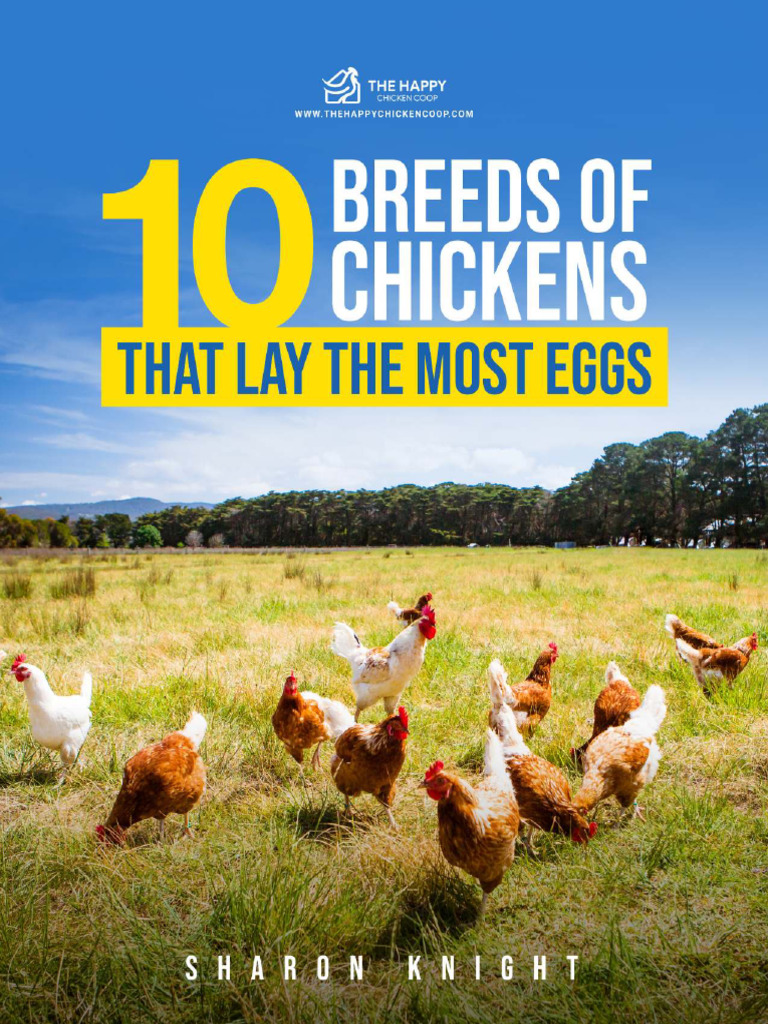
In the realm of poultry husbandry, the quest for the most prolific egg layers resembles a treasure hunt in a dense, verdant forest. The shimmering gold of plentiful eggs amid verdant foliage beckons aspiring farmers and seasoned poultry enthusiasts alike. To embark on this quest, one must be equipped with knowledge about specific breeds known for their remarkable laying capabilities. This article will delve into ten chicken breeds renowned for their capacity to produce a significant yield of eggs, each a living testament to nature’s bounty.
Examine the illustrious Leghorn, a breed that embodies vitality and vigor. Originating from Italy, these white-feathered dynamos are the proverbial workhorses of the poultry world. Characterized by their robust constitutions and relentless productivity, Leghorns can produce upwards of 300 white eggs annually. Their inherent hardiness allows them to thrive in diverse climates, making them a favorable choice for varied agricultural settings.
In contrast, the Rhode Island Red stands as a bastion of resilience. With a rich mahogany plumage that glistens under the sun, these birds are lauded not only for their stunning appearance but also for their exceptional adaptability. These dual-purpose birds offer a substantial egg yield—approximately 250 to 300 brown eggs each year—while also providing succulent meat. Their calm demeanor makes them especially appealing for backyard flocks.
The Australorp is an Australian marvel, often regarded as one of the finest layers of its kind. This breed is a veritable powerhouse, frequently accruing up to 250 eggs annually. With their glossy black feathers and gentle temperament, Australorps provide a delightful aesthetic and a reliable egg supply. Their eagerness to forage adds nutritional value, as they readily consume pests and contribute to the garden’s ecosystem.
As we traverse further into the world of prolific layers, we encounter the esteemed Sussex. These gentle dispositions and endearing personalities mask a formidable laying prowess. Sussex chickens can produce around 250 to 300 eggs per year, with shells that range from white to tinted hues. Their foraging capabilities combined with their amiable nature make them not only productive but also cherished companions on any farm.
Another breed worthy of mention is the Plymouth Rock. This breed enchants observers with its striking striped plumage, resembling that of a zebra. Its charm, however, extends beyond aesthetics. Plymouth Rocks are not only friendly and easy to tame, but they are also adept layers, producing approximately 200 to 280 brown eggs annually. Their adaptability to colder climates adds an additional layer of allure for those in northern regions.
A notable contender in the egg-laying arena is the Orpington. These birds, with their soft, rounded bodies and gentle personalities, embody a soothing presence in any flock. Recognized for their rich, dark brown eggs, Orpingtons can yield around 200 to 280 eggs per year. Their unique ability to thrive in various conditions makes them a versatile option, while their amiable temperament ensures a harmonious flock dynamic.
The red-feathered Delaware deserves a prominent place in this discourse. With a genetic lineage steeped in dual-purpose productivity, Delawares can produce about 200 to 280 eggs annually. Their adaptability and hardiness make them suitable for a variety of environments, coupled with a friendly demeanor that invites companionship. Their easygoing nature renders them a favored choice for families and first-time chicken keepers.
Venturing into the exotic territory, the Campine is a breed that offers both historical significance and modern appeal. Hailing from Belgium, these birds are characterized by their striking golden or silver plumage. Campines have a robust laying potential, averaging around 200 eggs per year. Their traditional significance is coupled with a commendable capacity for egg production, making them a fascinating addition to both cooperative and solitary backyard setups.
The Barnevelder, with its mesmerizing feather patterns reminiscent of a sun-kissed meadow, is a surprising gem among egg layers. Producing around 200 medium-sized eggs annually, Barnevelders add an artistic flair to any poultry ensemble. Their calm demeanor, coupled with their distinctive appearance, presents an opportunity for poultry aficionados to showcase both beauty and productivity in their flocks.
Lastly, we cannot overlook the well-renowned Araucana. Known for producing the legendary blue and green eggs, Araucanas are both visually and gastronomically captivating. Capable of laying around 200 eggs annually, their vibrant shell colors elevate the mundane to the extraordinary. The enchanting egg hues, combined with a quirky appearance, provide an aesthetic delight that intrigues poultry enthusiasts and casual observers alike.
In conclusion, the pursuit of chickens that yield the most eggs cannot simply be reduced to a mere checklist. It is a complex interplay of breed characteristics, environmental factors, and personal preferences. Each breed presents its advantages, creating a vibrant tableau of choices for potential chicken keepers. Whether constructed around the prolific Leghorn or the whimsical Araucana, a thoughtfully curated flock can offer a veritable bounty of eggs, striking a delicate balance between utility and charm. The adventure of poultry keeping is, at its core, an exploration of nature’s wonders, where each egg tells a story of diligence, adaptability, and beauty.

Leave a comment