

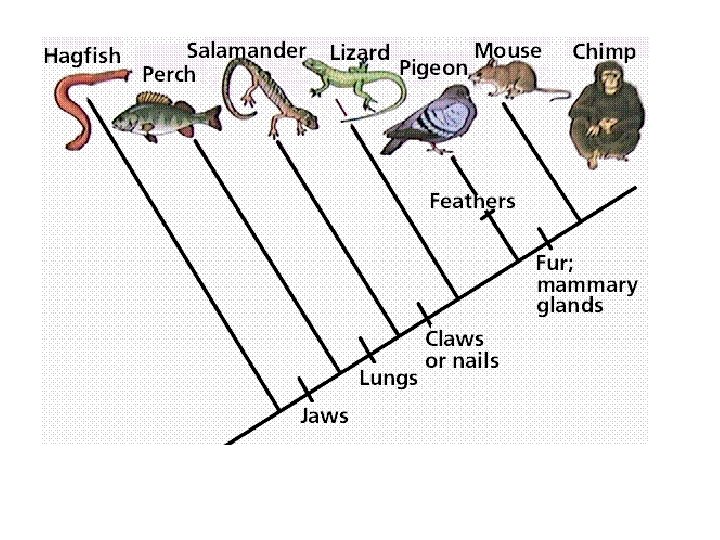
Have you ever pondered the question, “Which classification grouping encompasses the greatest number of species?” This intriguing inquiry leads us into the vast realm of taxonomy, the science that provides a systematic framework to categorize the myriad forms of life that inhabit our planet. From the microscopic to the macroscopic, understanding how organisms are classified can illuminate our comprehension of biodiversity and evolutionary relationships.
Taxonomy is a hierarchical system, using a structure that is as much functional as it is philosophical. The principal categories that constitute this taxonomy include domains, kingdoms, phyla, classes, orders, families, genera, and species. Each designation represents a level of specificity, with species being the most detailed grouping. However, the question transcends mere classification; it beckons us to explore which taxonomic grouping holds the largest number of species. To embark on this exploration, we must first delineate the major taxonomic ranks, beginning with the broadest categories and culminating at the species level.
The highest taxonomic rank is the **domain**, which categorizes life into three primary groups: Archaea, Bacteria, and Eukarya. Each domain houses a multitude of organisms exhibiting distinct cellular structures and life processes. Yet, at this level of classification, the number of species remains ambiguous since domains are excessively broad to serve as practical representatives of specific organismal categories.
Descend to the next tier—the **kingdom**. Traditionally, life has been divided into five kingdoms: Monera (prokaryotic organisms), Protista (unicellular eukaryotes), Fungi, Plantae, and Animalia. Among these, the **Kingdom Animalia** stands out due to its remarkable diversity. This kingdom includes everything from the simplest invertebrates to the most complex vertebrates. The staggering breadth of phyla found within Kingdom Animalia contributes to its reputation as one of the most species-rich taxonomic categories.
Delving deeper into the classification, we arrive at the level of **phyla**. Within the Animal Kingdom, for example, phyla such as Arthropoda, Mollusca, and Chordata contain vast numbers of species. Arthropods, the most populous phylum, include insects, arachnids, and crustaceans. Insects alone constitute over one million described species, which forms a remarkable proportion of global biodiversity. This begs the question: Do we define ‘greatest number’ in terms of diversity within a single grouping or across multiple groupings?
Moving down the hierarchy to **classes**, we uncover more specificity. Within Arthropoda, we find classes like Insecta, which includes butterflies, beetles, and ants. It becomes apparent that classes such as Insecta vastly outnumber all other classes in other phyla. This specification highlights a critical aspect of taxonomy—the granularity that allows us to pinpoint not just how many species exist but the relationships that bond them within evolutionary lineages.
Next, we examine **orders** and **families** within these classes. Take, for instance, the order Coleoptera, which comprises beetles. This order alone boasts over 350,000 known species, attesting to the immense taxonomic richness encapsulated within a single grouping. It is crucial to note that each familial relationship and generational lineage paints a vivid picture of the evolutionary journey, intertwining species into a cohesive narrative of survival and adaptation.
As we approach the culmination of our taxonomic analysis, we arrive at the **genus** and **species** levels. The genus groups closely related species that share a common ancestry, while species provides a direct identity to an organism, defining its unique characteristics. Although genus and species emphasize specificity, they contain fewer entities compared to broader categories. Herein lies the paradox: while they provide clarity, they also compress the richness of biodiversity into paltry figures.
Returning to our original question, it is evident that if one were to ascertain which taxonomic grouping counts the highest number of species, it would undoubtably be the **phylum Arthropoda**. The figures estimated suggest that this phylum comprises nearly 75% of all known animal species. Such numerical dominance prompts consideration of what evolutionary mechanisms allow for such prolific diversity—adaptations, ecological niches, and reproductive strategies are all contributing factors.
Yet, taxonomy is not static. It evolves alongside the scientific community’s growing understanding of phylogenetic relationships, prompting reclassification and reevaluation of existing data. This dynamism invites speculation about undiscovered species—particularly in unexplored ecosystems such as deep oceans and rainforests where a plethora of life remains elusive.
Ultimately, this classification landscape is rife with playful complexities. Rather than locking into a singular answer, consider this an invitation to delve deeper into the interconnected realms of life. The taxonomy offers not only a classification system but serves as a lens through which we can examine the intricate web of life on Earth. It stands as a testament to the incredible biodiversity surrounding us and inspires enthusiastic inquiry into the living world. While the phylum Arthropoda currently claims the title of the greatest number of species, the pursuit of knowledge continues, with undiscovered species eagerly waiting to shape future classifications.

Leave a comment