

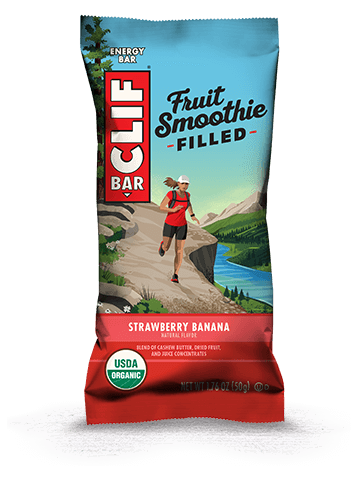
In the realm of nutrition and snacking, Clif Bars have emerged as a renowned option among outdoor enthusiasts and casual snackers alike. Touted for their nutritional efficacy and convenience, these energy bars are often sought after for their purported health benefits. However, a paramount concern among consumers revolves around their dietary compatibility, particularly for those adhering to a vegan lifestyle. This article endeavors to elucidate which Clif Bars are indeed vegan-friendly, while also highlighting the underlying factors that contribute to their sustainability and overall appeal as a health-conscious snack option.
The first striking observation regarding Clif Bars is their extensive array of flavors. A spectrum of offerings from chocolatey indulgences to fruity delights is available, catering to varied palates. However, not all of these options align with vegan principles. Thus, a systematic examination of the ingredients list is paramount for discerning which varieties meet the stringent criteria set by vegan dieticians.
At its core, a vegan diet eschews all animal-derived products, including but not limited to meat, dairy, and eggs. This necessitates a meticulous inspection of the Clif Bars’ ingredient panels. The predominant vegan varieties include the Clif Bar® in flavors like Chocolate Chip, Crunchy Peanut Butter, and Blueberry Crisp. These flavors eschew dairy-derived ingredients and instead utilize plant-based constituents such as oats, nuts, and various fruit purees.
Moreover, it is worthwhile to delve into Clif’s dedication to harnessing organic ingredients. Numerous vegan flavors boast certifications that attest to their organic origins, affirming the brand’s commitment to ecological sustainability. By employing ingredients devoid of synthetic pesticides and genetically modified organisms, Clif Bars not only satisfy the ethical concerns of the vegan community but also resonate with consumers dedicated to environmental preservation.
Investigating the non-vegan flavors, one encounters the likes of Clif Bar® White Chocolate Macadamia and some variants of Clif Kid Z bar. These specific bars contain milk-derived compounds and therefore do not conform to vegan dietary standards. Such revelations pique interest, raising questions about quality control and item categorization within the product lineup. The juxtaposition between vegan and non-vegan products underscores the inherent complexity in the food industry concerning consumer expectations and dietary restrictions.
Beyond the scope of ingredients, Clif Bars also embody a holistic approach toward sustainability. Their commitment extends beyond mere product composition; the company is engaged in responsible sourcing and manufacturing practices. Clif Bar & Company has been recognized for its efforts to minimize its carbon footprint. By investing in renewable energy and sustainable agriculture, they exemplify how conscientious practices can harmonize profitability and ecological stewardship.
Moreover, the packaging employed by Clif Bars further enhances their sustainability narrative. The brand utilizes recyclable materials and continuously seeks innovative methods to reduce waste. This commitment to environmentally sound packaging resonates with eco-conscious consumers and encourages a synergetic relationship between snack indulgence and environmental responsibility.
The fascination surrounding Clif Bars is amplified by their origins. Established in 1992 by athlete Gary Erickson, the brand was inspired by the need for nutritious, convenient energy sources during long bike rides. This dedicated pursuit of quality and performance has not only shaped their product line but also forged a brand identity that is synonymous with an active lifestyle. The story of Clif Bars speaks to the intersection of personal passion and professional development, captivating the interest of consumers who value narrative alongside nutrition.
It is also prudent to acknowledge the ethical considerations intertwined with veganism. The choice to adopt a plant-based diet often stems from a desire to reduce animal suffering and mitigate environmental degradation. Clif’s selection of vegan-friendly bars caters to these ethical concerns, providing consumers with an option that aligns with their values. This ethical alignment empowers individuals to make impactful dietary choices without sacrificing the convenience and taste that Clif Bars offer.
In a broader context, the popularity of veganism has burgeoned in recent years, engendering a cultural shift toward plant-based eating. Clif Bars, with their vegan offerings, position themselves favorably within this movement. The modern consumer increasingly gravitates towards snacks that provide not only satisfaction but also transparency regarding ingredient sourcing and ethical practices. Clif’s fusion of appealing flavors, nutritional value, and ethical integrity encapsulates the essence of contemporary snacking trends.
Furthermore, the consumption of Clif Bars reflects a growing awareness of the interconnection between food choices and health. As people grow increasingly cognizant of their dietary impact on overall well-being, choosing snacks that endorse energy and sustainability becomes paramount. Clif Bars not only deliver on taste and nutrition but also embody a lifestyle choice that echoes the desires of today’s conscientious consumers.
As a final reflection on this subject, it becomes clear that the inquiry into which Clif Bars are vegan extends beyond a mere classification of ingredients. It invites a deeper contemplation of consumer ethics, ecological sustainability, and the interplay of narrative within food marketing. For those seeking a conscientious and flavorful snacking alternative, Clif Bars stand poised at the nexus of taste, nutrition, and ethical responsibility. By making informed choices, consumers can engage in a deliciously gratifying way that also enriches their commitment to sustainable practices.

Leave a comment