

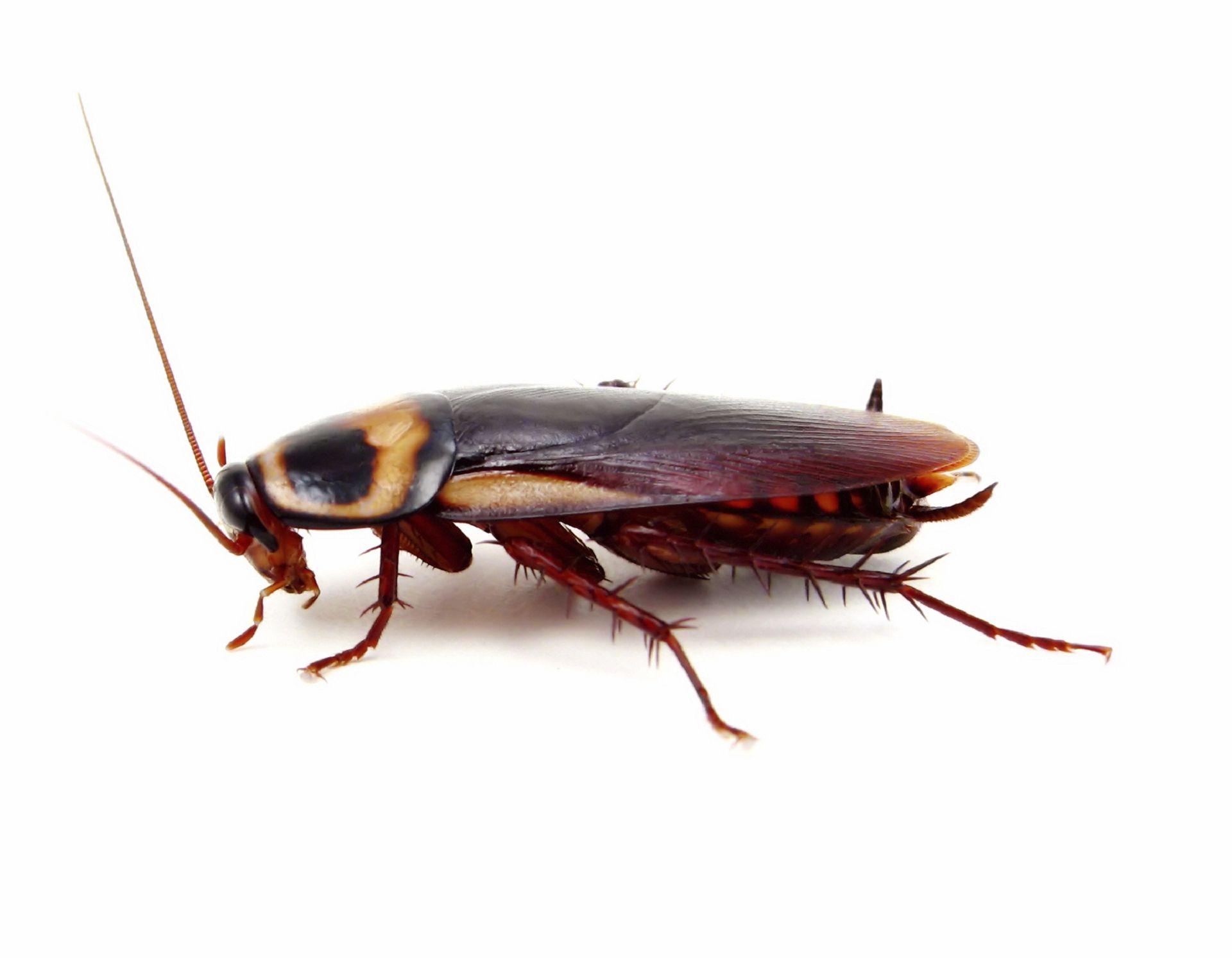
When it comes to pest control, the cockroach is often regarded as an insufferable intruder, lurking in the shadows and eluding extermination. With over 4,500 species identified, only a few have made their way into homes and other human habitats, but which cockroach is considered the worst? This article takes a deep dive into the world of these resilient insects, unveiling the most notorious species in the eyes of pest control experts. Could it be that your perception of these creatures is skewed? Are you ready to unearth the facts? Let’s explore.
The two species frequently at the forefront of pest control discussions are the German cockroach (Blattella germanica) and the American cockroach (Periplaneta americana). Understanding the distinguishing attributes and reproductive capabilities of these species can help illuminate why they are often singled out as the worst offenders in urban settings.
First, let us scrutinize the German cockroach, renowned for its sheer ubiquity in residential areas. This small, brown insect, typically measuring about 1.1 to 1.6 inches in length, presents not only an aesthetic concern but also a significant health risk. The rapid reproduction cycle of the German cockroach—capable of producing up to 40 offspring every few months—exacerbates its invasive potential. An infestation can escalate precipitously, rendering traditional extermination methods increasingly ineffective as the population burgeons. Furthermore, this species is notorious for its ability to conceal itself in minuscule crevices, making detection and eradication an arduous task.
Conversely, the American cockroach, significantly larger at about 1.5 to 2 inches long, offers its own unique set of challenges. Commonly found in warmer climates, this species has a propensity to invade homes and commercial establishments, particularly in basements and sewers. Its survival instincts are remarkable; it can endure prolonged periods without food and withstand various environmental stressors. Pest control experts consider the American cockroach a formidable adversary due to its capacity for flight, which enables it to evade traps and chemical barriers that might be effective against its German counterpart.
Moreover, the health implications of cockroach infestations cannot be overstated. Both species are vectors for disease and can exacerbate respiratory conditions, such as asthma and allergies. The saliva, feces, and body parts of these cockroaches contain allergens that can trigger severe reactions in sensitive individuals. It is not merely the sight of these pests that is disconcerting; the very existence of their populations within a domicile can pose significant health hazards.
Interestingly, the perception of these cockroaches often evokes fear and disgust, yet pest control experts reiterate the importance of understanding their behaviors and habitats. To combat their presence effectively, one must first comprehend the underlying principles of cockroach behavior. For instance, both species are nocturnal, meaning they are most active at night when the lights go out and humans retreat to slumber. This nocturnal lifestyle complicates detection efforts, as individuals are rarely aware of the infestation until it has reached substantial levels. By employing preventive measures during daylight hours, such as sealing cracks and crevices, cleaning food debris, and addressing moisture issues, homeowners can proactively mitigate the risks associated with a potential infestation.
A critical aspect of effective pest control is also the awareness of chemical management strategies. Cockroach baits, insect growth regulators, and professional pest control services offer potential solutions, yet these methods must be tailored to the specific species in question. One must consider their life cycle and behavior when determining the most effective eradication approaches. For example, while the use of broad-spectrum insecticides can manage populations effectively, implementing targeted strategies that disrupt their reproductive cycle may yield more sustainable results.
Another often-overlooked challenge is the psychological impact of an infestation. The sight of a cockroach scuttling across the floor can evoke feelings of revulsion and anxiety. Combatting these emotional responses involves both practical and educational measures, which may include information sessions on cockroach biology and the efficacy of modern pest management practices. By demystifying these creatures, individuals can approach pest control with a more informed perspective.
As we consider the question of which cockroach reigns supreme as the worst pest, it becomes evident that both the German and American species present unique challenges. Their sheer resilience, rapid reproductive capabilities, and associations with health risks render them formidable foes in the realm of pest control. Yet, the challenge extends beyond mere extermination; it encapsulates a broader understanding of prevention, education, and psychological well-being.
Ultimately, whether you are engaged in routine pest management or grappling with an active infestation, the most effective strategy encompasses a multifaceted approach. Addressing practical matters like cleanliness and repair, in conjunction with a keen understanding of cockroach behavior, lays the groundwork for effective pest control. So, the next time you encounter a rogue cockroach, consider not just your immediate response but also the underlying strategies that can help keep your environment cockroach-free.

Leave a comment