

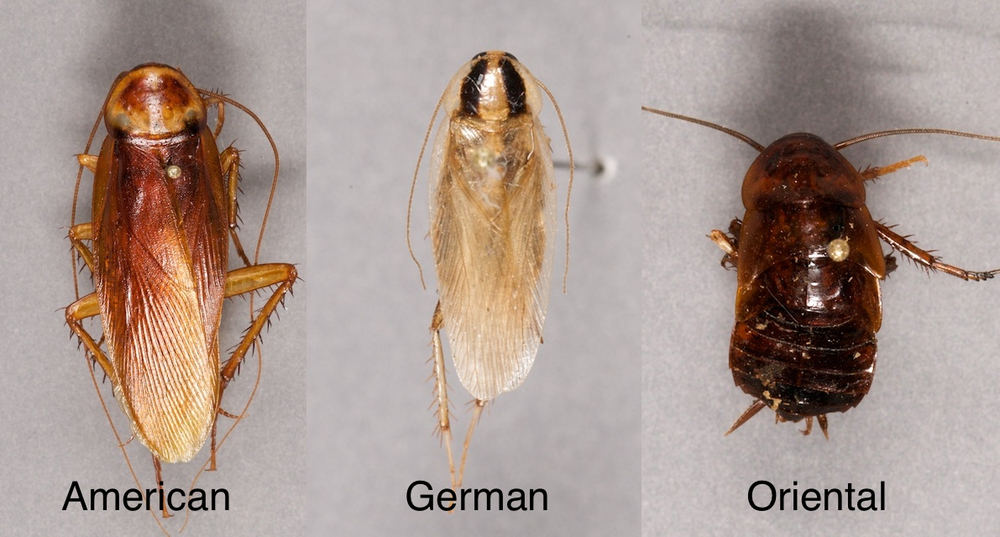
The presence of cockroaches in our living environments often evokes a visceral reaction, a blend of disgust and apprehension. While there are myriad species of cockroaches, certain types warrant particular scrutiny due to their potential to inflict harm on human health and well-being. Understanding which cockroaches are classified as bad types is essential for appropriate management and prevention strategies. The following explication delves into the predominant species of cockroaches that pose significant concerns.
Firstly, the German cockroach (Blattella germanica) emerges as the most ubiquitous and problematic of the cockroach species. Its prevalence, particularly in urban areas, can often be attributed to its adaptability to human environments. German cockroaches thrive in warm, humid conditions, making kitchens and bathrooms prime habitats. Their rapid reproduction rate means that a few individuals can quickly transform into an overwhelming infestation. More troubling, these roaches are carriers of various pathogens, including Salmonella and E. coli, both of which can lead to serious gastrointestinal illnesses. The deleterious health effects of the German cockroach’s excrement and cast-off skins further compound the risks, particularly for individuals with allergies or asthma.
Next, the American cockroach (Periplaneta americana) merits attention due to its size and distinctive appearance. Often described as the largest of common cockroaches, the American cockroach can grow up to three inches in length and boasts a reddish-brown coloration with a yellowish margin on its thorax. This species is infamous for infesting commercial establishments and food processing facilities. While less commonly found in homes compared to its German counterpart, the American cockroach can still infiltrate urban residential areas, especially in locations with ample moisture. They, too, are vectors for various diseases and can exacerbate allergy symptoms. The sheer size and intimidating meanderings of American cockroaches make them a particular object of dread for many households.
Another species that raises alarm is the Oriental cockroach (Blatta orientalis), often synonymously referred to as the “water bug”. This species is recognizable by its glossy, black body and relatively short wings that do not allow for successful flight. Oriental cockroaches flourish in cooler, damp environments and tend to persist in basements, sewage systems, and other less favorable human spaces. While their presence does not pose a direct health threat as significantly as that of the German cockroach, they are nonetheless known to spread filth and harmful bacteria. Their propensity to invade food storage areas is particularly troubling, as they can contaminate food sources and instigate foodborne illnesses.
A less commonly discussed yet equally concerning species is the Brown-banded cockroach (Supella longipalpa). This type is smaller and possesses distinct banding across its wings and abdomen, which lends it a unique appearance. The Brown-banded cockroach thrives in warmer conditions, often settling in out-of-sight areas, such as electrical appliances, furniture, and cluttered spaces. Although this species is not as notorious for disease transmission, its aptitude for invading human spaces makes it an unwelcome companion in homes. Its elusive nature adds a layer of difficulty to eradication efforts, as their concealment poses challenges for both homeowners and pest control professionals alike.
Beyond merely being a nuisance, these cockroach species contribute to deeper societal observations. The very fact that these insects can proliferate in environments where humans dwell raises questions regarding sanitation practices, urbanization, and public health. The cockroach serves as a poignant reminder of the intersection between nature and the human condition, evoking both fascination and aversion. Their resilience and adaptability can be viewed through a broader lens of ecological balance, highlighting the ongoing struggle of humanity against pests that have existed long before our time.
Understanding the characteristics and behaviors of these detrimental cockroach species is vital for effective control and management. Implementing preventive measures such as maintaining proper sanitation, sealing entry points, and reducing indoor humidity can significantly decrease the likelihood of an infestation. Furthermore, educational initiatives that raise awareness regarding cockroach behavior can empower individuals to take proactive steps in safeguarding their homes.
In conclusion, while cockroaches are a natural part of the ecosystem, their presence in human dwellings—especially when concerning hazardous varieties such as the German, American, Oriental, and Brown-banded cockroaches—should not be taken lightly. Acknowledging their capacity for rapid reproduction, disease transmission, and ability to infiltrate various environments underscores the importance of vigilance and proactive measures in pest control. Society’s relationship with these creatures is complex, blending elements of intrigue, fear, and a pressing need for effective management strategies. Ultimately, a deeper understanding of these insects will furnish individuals with the knowledge and tools required to combat an infestation and preserve healthy living conditions.

Leave a comment