

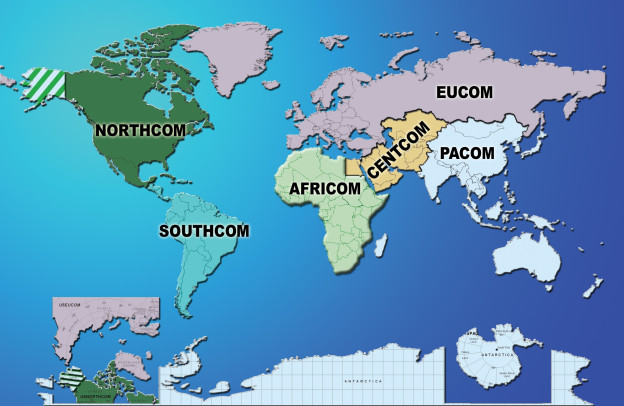
In the realm of international security and ethics, the issue of trafficking presents a formidable challenge for the Unified Combatant Commands (COCOMs). These commands not only manage military operations but also have a critical role in promoting stability across various regions. Among the ten COCOMs, certain ones have become synonymous with the complexities of trafficking, particularly in their interactions with international trade ethics. This article seeks to elucidate which COCOM is grappling with this issue and how it shapes the broader discourse on trade practices and ethical governance.
To begin, it is crucial to understand the landscape of trafficking, which encompasses a broad spectrum, including human trafficking, drug smuggling, and the illicit arms trade. Each type of trafficking poses unique challenges, yet they often intersect, complicating legislative and military efforts aimed at combating these activities. In this context, the role of COCOMs becomes significant, as they operate in regions where these activities are prevalent.
Among the COCOMs, the one that stands out regarding trafficking issues is U.S. Southern Command (SOUTHCOM). Responsible for the Caribbean, Central America, and South America, SOUTHCOM encounters substantial challenges related to drug trafficking and organized crime. The geographical expanse of this command places it on the frontline of combating enormous drug cartels that wield significant power and influence.
The relationship between trafficking and international trade ethics in the SOUTHCOM area is profoundly intricate. Countries within its purview are often afflicted by socio-economic instability, which creates an environment conducive to trafficking. The repercussions of such instability extend beyond the countries themselves, influencing trade relations and ethical practices in global commerce. The fight against trafficking thus transcends mere military intervention, demanding a multifaceted strategy that encompasses diplomatic, economic, and social frameworks.
One cannot ignore the ethical implications tied to the war on drugs and human trafficking. Military operations aimed at dismantling trafficking networks have sparked debates regarding the efficacy and morality of such actions. The militarization of anti-trafficking measures can inadvertently exacerbate violence and instability, leading to severe humanitarian crises. This phenomenon raises questions about the ethical responsibilities of the United States and its allies in addressing the root causes of trafficking.
As trends in trafficking evolve, so too must the strategies employed by COCOMs. SOUTHCOM, in particular, must pivot from purely militaristic approaches to more comprehensive ones that enhance regional stability. Programs that bolster economic development, education, and community resilience can mitigate the allure of trafficking for vulnerable populations. Moreover, collaborative efforts with local governments and NGOs can create synergies that empower communities against traffickers.
International trade ethics also demand scrutiny within this context. Trade agreements and policies should not inadvertently enable trafficking; conversely, they should promote ethical practices that align with anti-trafficking efforts. An examination of the trade relationships between the United States and countries in the SOUTHCOM area reveals significant gaps in reinforcing ethical standards. The presence of corrupt practices often undermines these efforts, allowing traffickers to exploit legal loopholes.
The maritime domain, an integral part of SOUTHCOM’s operations, highlights another layer of complexity. Many trafficking activities utilize maritime routes to transport illicit goods. The delicate balance between legitimate international trade and illicit trafficking necessitates rigorous monitoring and governance. This scenario calls for enhanced cooperation with maritime agencies and stronger enforcement of international maritime laws to stifle trafficking routes effectively.
Furthermore, technological advancements and data analytics can revolutionize the approach taken by COCOMs in combating trafficking. By leveraging innovative technologies such as artificial intelligence and blockchain, authorities can track shipments more effectively, identify patterns, and disrupt trafficking networks. This methodology reflects a promising shift towards smarter, data-driven strategies that align with ethical practices in international trade.
The ethical implications of trafficking extend into the global supply chain, where products originating from trafficking operations often infiltrate legitimate markets. Stakeholders in supply chains must adopt stringent due diligence practices to ensure that their operations do not inadvertently support trafficking. COCOMs can play an influential role by collaborating with businesses to foster transparency and ethical sourcing initiatives that align with anti-trafficking objectives.
Moreover, public awareness campaigns constitute a critical aspect of the overarching strategy. Engaging communities in the discussion surrounding trafficking can cultivate a culture of resistance against such practices. Educational efforts that inform individuals about the signs of trafficking and the associated legal and ethical responsibilities can potentiate grassroots movements against this pervasive issue.
In summary, while various COCOMs contend with the broad implications of trafficking, U.S. Southern Command remains at the nexus of significant challenges linked to drug trafficking and organized crime in its region. The interplay between international trade ethics and trafficking underscores the necessity for a nuanced approach that extends beyond military might. It necessitates a persistent reevaluation of strategies that embrace collaboration, education, and ethical governance to create lasting solutions. This paradigm shift promises a potent exploration of the ethical dimensions at play and invites curiosity about the potential for transformative change in the fight against trafficking.

Leave a comment