

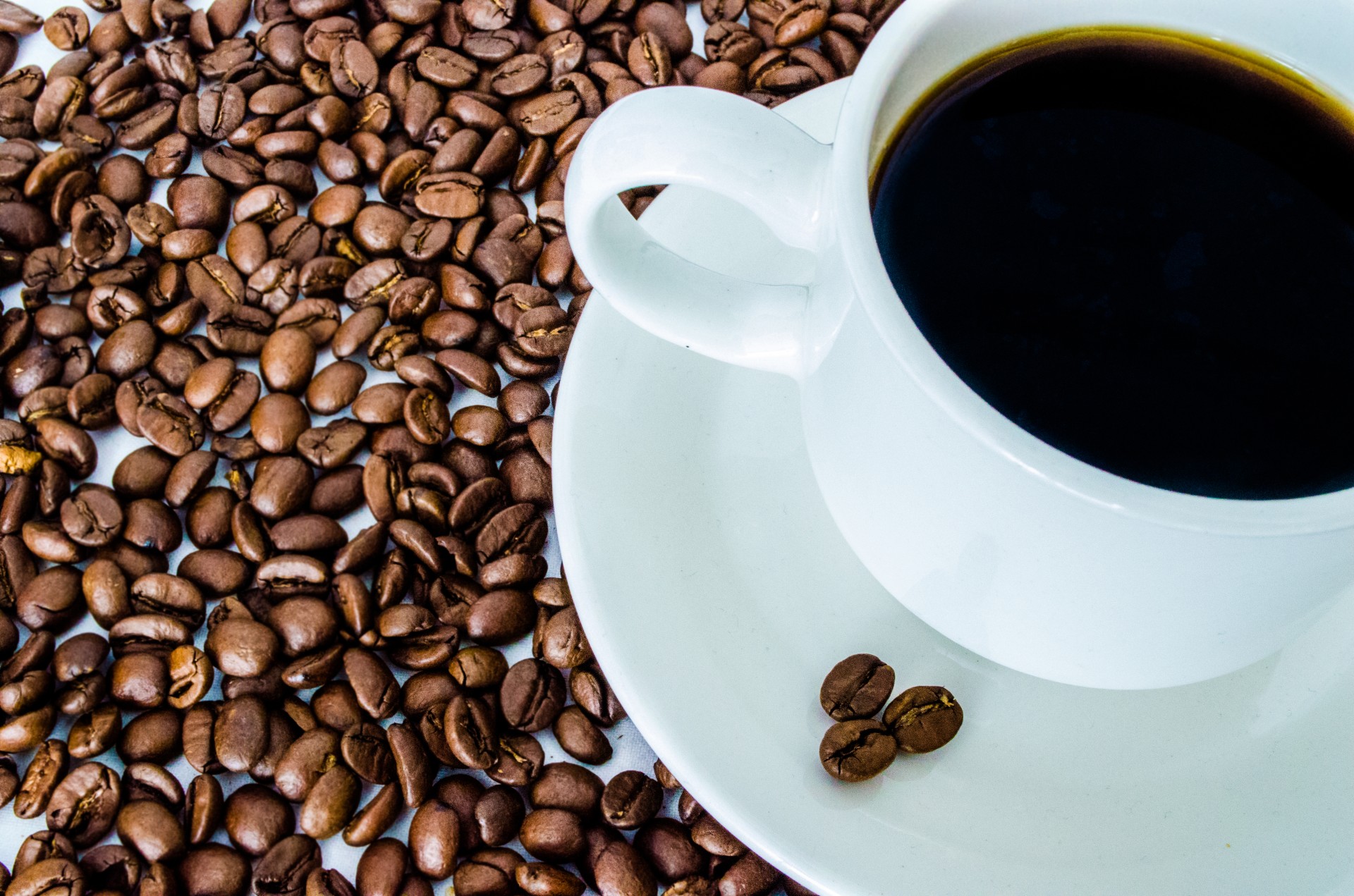
When delving into the delightful world of coffee, one might ponder a question that captivates many enthusiasts: Which coffee has more caffeine—light roast or dark roast? This inquiry not only teases the intellect but also invites an exploration into the intricate science behind our beloved brew. As we embark on this caffeinated journey, we will unearth the nuances, chemical transformations, and perceptions regarding caffeine content in these two distinct roasts.
To combat the perennial debate, it is essential to understand the roasting process itself. Coffee beans undergo a metamorphosis, transforming from their raw, green state into the aromatic wonders we recognize. The roasting process is typically categorized into three styles: light, medium, and dark. Light roasts are characterized by their shorter roasting times, resulting in beans that retain more of their original flavors and, notably, their chlorogenic acids—a group of compounds linked with various health benefits. On the other hand, dark roasts exhibit a deeper, richer flavor profile owing to prolonged roasting, which leads to caramelization and the development of robust, smoky notes.
One crucial aspect of the debate centers on the perception of caffeine content. Upon first sip, many coffee drinkers might claim that dark roast offers a stronger punch, while light roast feels milder. This perception can be misleading. The roasting process indeed affects caffeine levels, but not necessarily in a straightforward manner. Surprisingly, light roast coffee can have marginally higher caffeine levels than dark roast. This phenomenon occurs because caffeine is somewhat volatile and diminishes as beans are subjected to higher temperatures for extended periods. Hence, the longer the coffee is roasted, the more caffeine it could potentially lose.
To complicate matters further, how caffeine content is measured plays a significant role in this debate. The measurements can differ based on whether one considers the weight of the beans or the volume of brewed coffee. Generally speaking, when comparing equal weights of both light and dark roasts, light roast beans typically contain a higher concentration of caffeine. Conversely, if one were to measure brewed coffee by volume, dark roast might appear to deliver more caffeine, due to the extraction process that occurs during brewing.
The brewing method also presents interesting variables. Different techniques, such as drip brewing, espresso preparation, or French press extraction, influence how caffeine is extracted from the beans. Dark roast, when brewed using methods that involve higher temperatures or longer steeping times, may yield coffee with heightened caffeine concentrations. Conversely, if brewed with less aggressive techniques, the caffeine in light roast can remain more intact and energizing.
Additionally, it is vital to consider the beans themselves. The cultivar of the coffee plant can have significant implications for caffeine levels. Arabica beans, often used in light roasts, generally contain less caffeine than Robusta beans, which are typically found in dark roasts. This factor introduces yet another layer of complexity, as the choice of bean will alter the final flavor and caffeine profile of the coffee.
A scientific perspective reveals that caffeine content can also be influenced by geographical and agricultural variations. The environment in which the coffee is grown—altitude, soil type, and climate—affects its overall biochemical makeup, including caffeine concentration. Research has demonstrated that beans cultivated at higher altitudes tend to develop more sugars, potentially leading to richer flavor while varying caffeine levels. Therefore, understanding the origin of your coffee becomes crucial in making an informed choice.
Consumer preferences also dictate the roasting style one chooses. A light roast appeals to those who cherish brighter, more acidic flavors, while a dark roast tends to attract aficionados of robust and bold profiles. However, in light of caffeine content, consumers may gravitate toward light roasts if they seek an invigorating experience without the potentially bitter aftertaste that can accompany overly dark beans.
Nevertheless, the intricacies of caffeine content might leave coffee drinkers in a conundrum. For the casual coffee aficionado, the differences may seem negligible, but for the connoisseur, the choice becomes a matter of experimentation. Would you dare to engage in a caffeine challenge? Why not brew a blind taste test of both light and dark roasts and quantify your own experiences with caffeine levels and flavor preferences? This could unveil personal insights into not only caffeine content but also your unique palate.
In conclusion, the question of whether light roast or dark roast possesses more caffeine is not one with a definitive answer but rather a complex interplay of variables including roasting duration, brewing methods, bean origin, and personal preferences. As one perpetually seeks to satiate their caffeine cravings, the best approach may simply be to enjoy both roasts, appreciating the unique qualities each brings to the table. Whether you relish the vivacious brightness of a light roast or the robust depth of a dark roast, the delightful allure of coffee lies not only in its caffeine content but in the rich tapestry of flavors and aromas that captivate the senses.

Leave a comment