

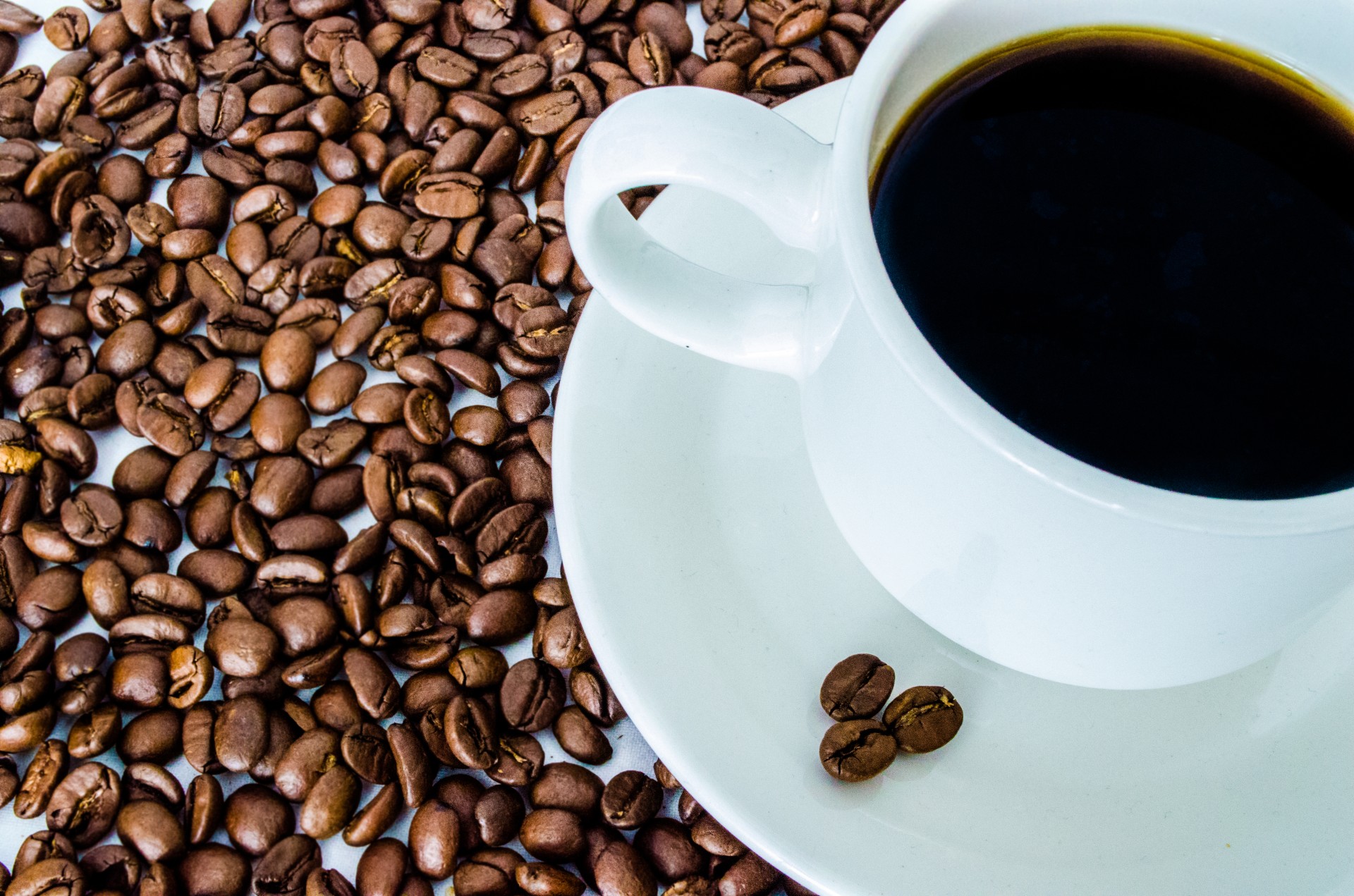
In the vast tapestry of coffee culture, two formidable contenders reign supreme in the quest for the perfect cup: the intricate allure of roast profiles and the symphonic complexity of blends. Understanding the nuances between these two categories can be likened to deciphering the differences between a masterful symphony and an enigmatic solo performance. Both have their strengths, but each appeals to the palate in unique, captivating ways. This examination delineates the intricacies of roast versus blend, revealing which one truly stands as the titan of strength.
1. The Foundation of Strength: Understanding Roast Profiles
Roast profiles are often the cornerstone of a coffee’s identity. The roasting process metamorphoses green coffee beans into the aromatic, darkened morsels that we savor daily. Depending on the duration and temperature of roasting, the characteristics of the beans can vary dramatically. From light to dark roasts, each profile encapsulates an entirely different flavor experience.
A lighter roast retains more of the original bean characteristics, resulting in a vibrant acidity with pronounced floral and fruity notes. In contrast, a darker roast relinquishes its original flavors, opting instead to embrace the bittersweet complexity that the roasting process engenders. Herein lies the paradox: while many consider darker roasts stronger due to their robust flavors and intense sensory load, the caffeine content—often a measure of strength—may actually diminish as roasting time increases. Thus, a lighter roast could argue its case for strength in terms of caffeine, presenting a formidable challenge in our exploration.
2. The Art of Blending: A Harmonious Convergence
While roast profiles lay the groundwork for flavor, blends introduce a nuanced layer of complexity. Blending is akin to the deft layering of flavors by a master chef, where different origins and roasts are harmonized to create a coffee that sings with multilayered tones. A well-crafted blend can meld the brightness of Ethiopian beans with the rich, chocolaty undertones of Indonesian varieties, resulting in a cup that is more than the sum of its parts.
In terms of strength, blends can exercise their prowess through richness and volume in flavor rather than sheer caffeine punch. When executed with precision, a blend can evoke a symphonic experience on the palate, often emerging as a more balanced choice for those who appreciate complexity over robustness. The question of strength here takes on a more abstract form—strength is not merely about intensity, but also about depth and the experience of flavor unfolding over time.
3. The Ongoing Debate: Strength and Perception
The debate surrounding roast versus blend intensifies as coffee connoisseurs weigh subjective experiences against objective measurements. Caffeine content often serves as a litmus test for strength; however, personal preference and context—such as the time of day or occasion—significantly influence one’s perception of strength. For instance, a fervent morning ritual may call for the bold assertion of a dark roast, captivating the senses and awakening the spirit. Conversely, the mid-afternoon respite might beckon the subtle intricacies of a lighter blend, offering clarity and rejuvenation without overwhelming the senses.
4. The Role of Brewing Techniques
Brewing methods can further alter the dynamics of strength between roast and blend. Various techniques—be it espresso, pour-over, or French press—interplay intricately with the inherent qualities of both roasts and blends, impacting extraction rates and ultimately, flavor profiles. An espresso brewed from a dark roast can yield a potent shot, dense with crema and bitterness. Yet, a meticulously crafted pour-over featuring a lighter roast can deliver an equally strong experience, showcasing clarity and brightness in every sip.
The brewing method becomes a critical variable in this comparative analysis, often shifting the balance of strength from one category to the other. Each preparation unveils distinct traits, highlighting yet another dimension in the strength contest between roasts and blends.
5. The Purity of Single Origin versus the Complexity of Blends
The notion of “single origin” coffee should not be overlooked in this discussion. Single origin coffees are sourced from a specific region and often share unique flavor profiles that typify their geographical origins. When pitted against blends, single origins may assert a powerful individuality, where every cup tells a story of its environment, growers, and harvesting techniques. The strength of a single origin may lie in its uniqueness, providing an authentic experience that appeals to the purist.
As such, consumers are left with a dichotomy: the straightforward potency of a single origin versus the artistic complexity of a blend. The strength here is subjective, echoing back to the idea that one’s preference often dictates one’s experience of strength itself.
6. Conclusion: A Personal Odyssey in Search of Strength
Thus, the showdown between roast and blend reveals a rich, multifaceted panorama of coffee appreciation. Strength in the world of coffee transcends its mere caffeine content, extending into the realms of flavor complexity, personal preference, and brewing techniques. Whether one finds solace in the elaborate notes of a blend or the bold assertion of a dark roast, the journey of discovery remains a personal odyssey unique to each individual. In the end, the answer may not lie in identifying a singular victor but rather in embracing the strengths inherent in both roast and blend, allowing each to complement one another in the grand symphony of coffee. The exploration continues, inviting enthusiasts to delve deeper into their own interpretations of strength, one cup at a time.

Leave a comment