

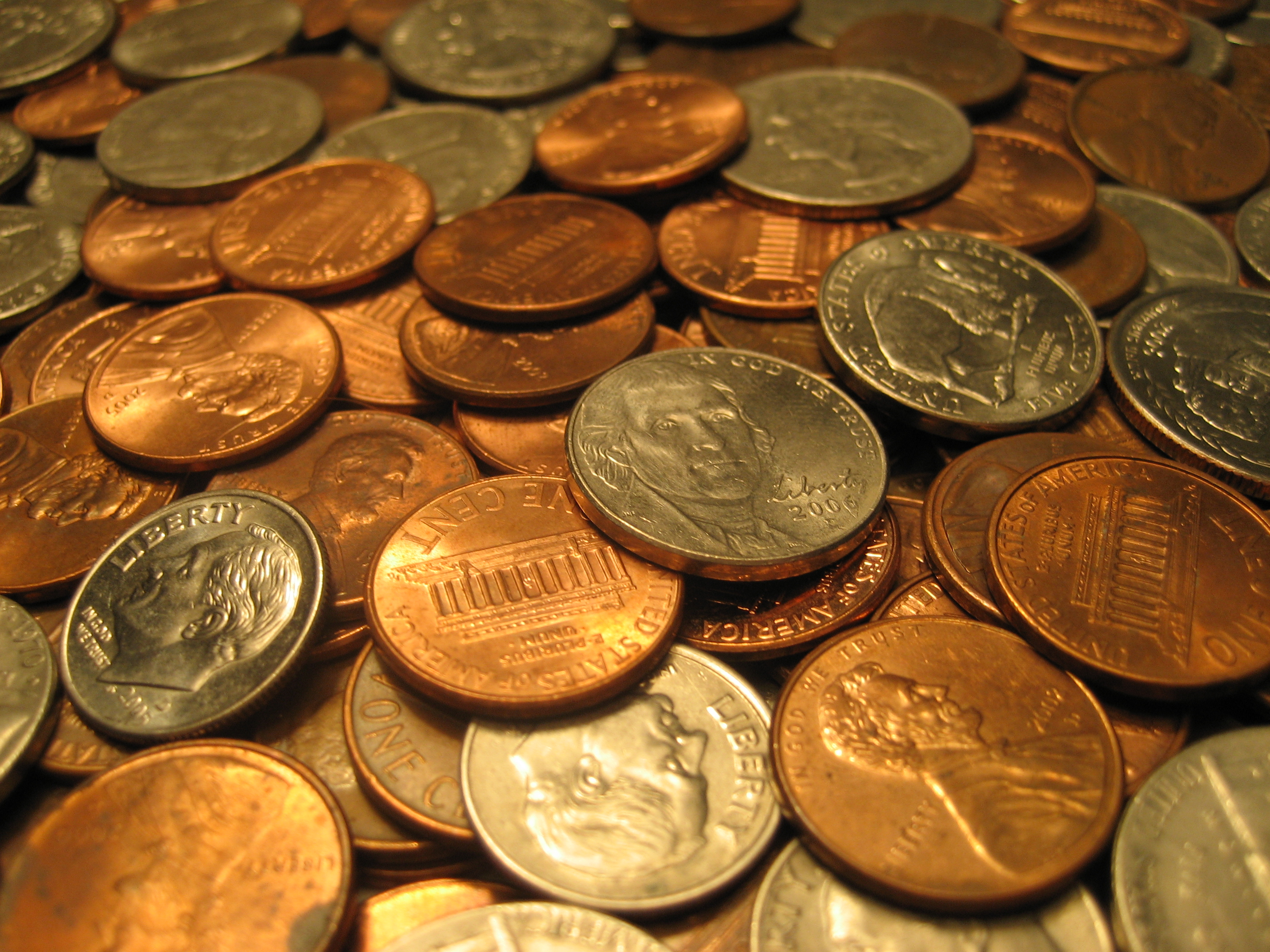
In the realm of numismatics, understanding the composition of coins is crucial for collectors, investors, and scholars alike. Among the precious metals that have captivated the human imagination, silver holds a prominent position. This guide aims to illuminate the various coins made of silver, detailing their unique characteristics while also providing valuable insights into their identification. By categorically unraveling the complexities of silver coins, readers will gain a comprehensive grasp of this alluring segment of the coin-collecting world.
1. Historical Context of Silver Coins
Throughout history, silver has been utilized as a medium of exchange, a form of wealth storage, and an intricate form of artistry. Its rarity and luster render it an appealing choice for coinage. Ancient civilizations, including the Greeks and Romans, minted coins from silver, setting the stage for its enduring legacy. Knowing the historical backdrop is essential for any collector seeking to appreciate the significance of these artifacts.
2. Composition and Hallmarks of Silver Coins
Silver coins are typically categorized based on their silver content, measured in terms of purity. Pure silver is designated as 0.999, meaning that it consists of 99.9% silver. The most illustrious example is the American Silver Eagle, boasting such purity. However, many coins are composed of a lower silver content, such as the common 0.925 purity found in sterling silver. Understanding these designations is pivotal for accurately assessing a coin’s value.
In addition to purity, it’s essential to be familiar with various hallmarks and mintmarks that signify the origin and authenticity of coins. These markings, often found on the edge or reverse, indicate the issuing mint and production year, serving as critical identifiers for collectors.
3. Notable Silver Coins from Around the World
Several renowned silver coins have transcended geographical boundaries, celebrated not only for their artistry but also for their historical significance. The following are a few distinguished examples:
- American Silver Eagle: Launched in 1986, this coin features a striking design of Lady Liberty and is one of the most sought-after silver coins in the United States.
- Canadian Silver Maple Leaf: First issued in 1988, this coin is notable for its 0.9999 purity and the iconic maple leaf design, a symbol of Canada.
- Mexican Silver Libertad: Originally minted in 1982, the Libertad is cherished for its artistic representation of the Winged Victory and its pure silver content.
- Australian Silver Kangaroo: Representing Australia’s unique fauna, this coin is celebrated for its design flexibility, offering a new version each year since its introduction in 1993.
- British Silver Britannia: A symbol of British strength and freedom, the Britannia has been in circulation since 1697 and is known for its striking imagery.
4. Identification Techniques for Silver Coins
Proper identification of silver coins requires a multi-faceted approach. Beginners often rely on visual inspections, looking at the coin’s design, size, and weight. Additionally, the edge of the coin can provide crucial information. The sound produced when two coins are gently struck together can also serve as an auditory cue; silver coins emit a distinct, ringing sound due to their metal composition.
For a more rigorous examination, collectors may utilize sophisticated tools such as electronic scales for precise weight measurements, acid tests to verify metal content, or ultrasonic thickness gauges to ascertain the coin’s integrity. Familiarizing oneself with these techniques enhances one’s ability to accurately identify and appraise silver coins.
5. Grade and Condition: The Role of Numismatic Parameters
The grade and condition of a coin are paramount in determining its market value. The Sheldon Scale, ranging from 1 (Poor) to 70 (Perfect), is commonly employed in grading coins. Features such as luster, surfaces, and wear are meticulously examined to classify the coin’s condition. Understanding these parameters empowers collectors to make informed decisions, not only during purchases but also when determining resale value.
6. The Intricacies of Investing in Silver Coins
Investing in silver coins can be a lucrative endeavor, given the historical appreciation of silver’s market price. As with any investment, knowledge and due diligence are essential. Factors affecting the market include global economic conditions, inflation, and geopolitical tensions. Diversifying one’s portfolio by including various types of silver coins can also mitigate risks while potentially increasing returns.
Moreover, the liquidity of silver coins contributes to their attractiveness as an investment. The ease of buying or selling these coins in the marketplace adds an additional layer of convenience for investors.
7. Conclusion: Embracing the Legacy of Silver Coins
In conclusion, coins made of silver encapsulate centuries of history, artistry, and economic value. Whether one is a novice enthusiast or a seasoned collector, mastering the identification and understanding of these coins can significantly enhance the collecting experience. By delving into the historical significance, exploring notable examples, employing proper identification techniques, and grasping the investment potential, readers can fully appreciate the allure of silver coins. Ultimately, the pursuit of knowledge in this domain fosters a deeper connection to the numismatic treasures that have endured through time.

Leave a comment