

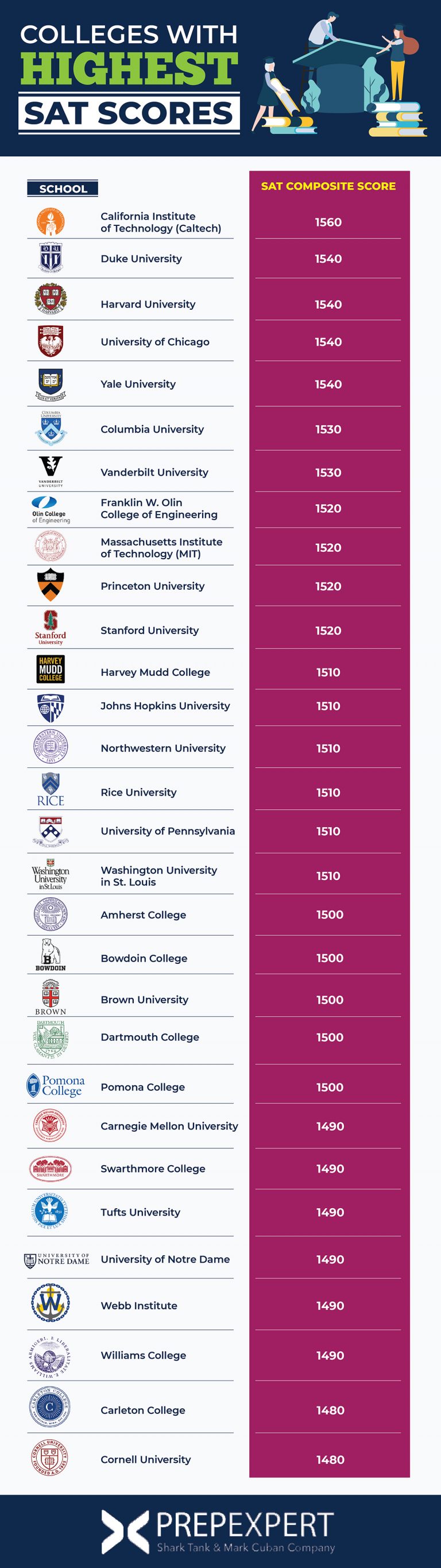
As students navigate the labyrinth of college admissions, the SAT stands as an indelible pillar. Among countless variables influencing prospective students’ decisions, the concept of superscoring warrants significant attention. Yet, not every institution embraces this practice. Some colleges adhere staunchly to their original SAT score, eschewing the superscore philosophy. This nuanced topic presents a paradigm shift in how applicants should strategize their test-taking approach. Below, we delve into a list of colleges that do not engage in superscoring, offering insights to illuminate the admissions journey.
Understanding Superscoring
To appreciate the implications of non-superscoring policies, it is vital to comprehend what superscoring entails. Superscoring allows colleges to consider a student’s highest section scores across multiple SAT attempts, thus enhancing their composite score. For applicants, this promise of a potentially enhanced outcome ignites optimism. However, colleges that refuse to adopt this practice maintain a steadfast commitment to evaluating applicants based solely on their highest complete test attempt. This can transform the strategic frameworks students deploy in preparing for and taking the SAT.
Significance of Non-Superscoring Colleges
Colleges that do not superscore often justify their practices by emphasizing consistency and the integrity of the admissions process. These institutions may be attempting to align their evaluation with a holistic review that prioritizes overall academic performance rather than isolated testing performances. For students, this necessitates careful consideration of their testing timeline and preparation methods. The difference between schools that superscore and those that do not can significantly impact a student’s overall admissions process.
Key Institutions That Do Not Superscore
Several revered institutions adhere to a non-superscoring approach. Below are notable examples:
- University of Chicago: One of the most prestigious universities in the United States, the University of Chicago has opted not to superscore SAT results. This cultivated approach urges students to present their best single test administration, fostering a culture of preparedness.
- Massachusetts Institute of Technology (MIT): MIT, renowned for its rigorous academic standards, mirrors this philosophy. It emphasizes the importance of a single comprehensive assessment, encouraging students to prepare assiduously for one definitive test day.
- California Institute of Technology (Caltech): Caltech, known for its emphasis on science and engineering, aligns with the not-superscoring ethos. By adopting this approach, Caltech seeks to discern the totality of a student’s capabilities and academic journey.
- Harvard University: Harvard’s admissions criteria focus on a student’s complete academic narrative rather than fragmented scores. This policy reflects a deeper commitment to understanding the multifaceted nature of student achievement.
- Princeton University: At Princeton, the singular score submission philosophy plays a crucial role in the institution’s evaluation of candidates. This approach fosters a holistic review, providing a more robust understanding of an applicant’s cognitive abilities.
This non-superscoring stance is prevalent among elite institutions, shaping candidates’ preparation strategies and prompting a re-evaluation of what constitutes adequate preparation and performance on standardized tests.
Implications for Test-Taking Strategy
With an understanding of which colleges do not superscore, prospective students must recalibrate their comprehensive approach to the SAT. The implications are profound. First, students should prioritize thorough preparation to ensure that their single submitted score reflects their utmost potential. This demands a commitment to study regimens, practice exams, and time management skills aligned toward a singular test attempt.
Moreover, students must also consider the impact of extracurricular engagements and academic rigor, ensuring that their entire profile presents a well-rounded candidate. In many cases, applicants may need to bolster their academic records through relevant coursework or leadership roles to compensate for any potential shortcomings in their SAT performance.
The Psychological Facet
The psychological impact of taking the SAT under a non-superscoring policy should not be understated. Many students might experience heightened anxiety, under the impression that they have one chance to impress. This pressure can manifest in various ways, impacting performance and overall mental health. Thus, comprehensive support systems—such as peer study groups, professional tutoring, and mental health resources—are crucial as students navigate this high-stakes assessment landscape.
Conclusion
In the ever-evolving landscape of higher education admissions, understanding which colleges do not superscore SAT scores presents an invaluable insight for prospective students. By enlightening themselves about these institutions and recalibrating their preparation strategies, students can empower their admissions journey with confidence. The absence of a superscorable score shouldn’t be perceived as a fleeting hurdle but rather an impetus to showcase their full academic potential. Embracing this change in perspective, students are better equipped to chart a course toward their desired colleges.

Leave a comment