

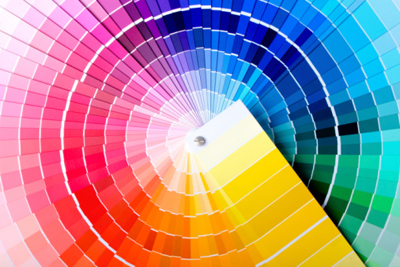
The visible spectrum is a rich tapestry of colors that evokes a spectrum of responses, from emotional to artistic. This spectrum represents a narrow band of electromagnetic radiation that interacts with our visual systems to produce the colors we perceive. Within this intricate spectrum, each color corresponds to a specific wavelength and frequency. For those captivated by the mysteries of light, understanding which color of the visible spectrum possesses the highest frequency reveals fascinating insights about the nature of visible light and its broader implications in physics.
In essence, the visible spectrum ranges from approximately 380 nanometers (nm) to about 750 nm. At one end lies violet, and at the other, red. The relationship between wavelength and frequency is fundamental: as the wavelength decreases, the frequency increases. Light travels at a constant speed in a vacuum, so wavelengths and frequencies correlate inversely. Thus, among the colors between violet and red, the color with the highest frequency is violet.
Violet light, characterized by wavelengths of roughly 380 nm to 450 nm, sits at the apex of the visible spectrum. With a frequency ranging from about 668 THz (terahertz) to 789 THz, violet light embodies the high-energy end of the spectrum. This creates not only interest but also a myriad of phenomena observable in day-to-day life, from the shimmering glow of a sunset to the captivating hues of a rainbow. Indeed, the experience of witnessing these colors can be deeply emotional, sparking reflection on both the nature of light and our inherent responses to color.
Delving into the physics, it is pivotal to grasp the quantum nature of light. Light exists as both a wave and a particle, a duality that provides a deeper framework for understanding behavior such as absorption, reflection, and refraction. The shorter wavelength of violet light means it carries more energy than its longer-wavelength counterparts. This higher energy can explain why ultraviolet light, which extends just beyond the violet end of the spectrum (around 10 nm to 400 nm), can cause sunburns or contribute to skin cancer. Interactions with light and biological systems unravel a plethora of complexities that fascinate scientists and laypersons alike.
Moreover, the visual and psychological impact of color cannot be underestimated. Various shades of violet are often associated with qualities such as creativity, inspiration, and spirituality. Artists utilize violet in their palettes to evoke depth and enhance emotional aspects of their pieces. From the context of human psychology to branding and marketing, colors possess intrinsic qualities that affect perception. In this case, the vibrancy and rarity of violet make it a unique candidate for stimulating intellectual and emotional engagement.
As scientists explore beyond visible lights, the implications of studying violet extend into numerous fields, including biophysics and materials science. Violet wavelengths can influence chemical processes, signifying the potential for innovative applications in photochemistry and phototherapy. Laboratories analyze how this high-frequency light interacts with various materials, contributing to advancements in technology and sustainability. For instance, understanding light’s optical properties paves the way for advancements in solar panels and other energy-efficient technologies, thus reinforcing the importance of comprehending the intricacies of light.
Educationally, exploring the structure of the electromagnetic spectrum enriches both scientific and artistic narratives. In classrooms, visuals portraying the spectrum can enhance engagement as students learn about light’s properties. Activities that pair scientific inquiry with artistic exploration are a powerful way to foster a multifaceted understanding of such concepts. By contemplating wavelengths and their respective energies, students can gain appreciation not only for the physical world but also the aesthetic values that color imparts. Presenting violet as the color with the highest frequency encourages learners to ponder its implications—not just in art, but also in their own interactions with light and its transformative qualities in nature.
In summary, the investigation into the visible spectrum offers a glimpse into the wondrous complexities that govern our experience of light. Violet, with its acute wavelengths, emerges as more than just a color; it serves as a portal through which to understand fundamental principles of physics. The possibilities that arise from studying this high-frequency color mirror larger themes in science—curiosity and wonder. Thus, exploring the insights gleaned from such study fosters a heightened appreciation for the world around us, encouraging us to consider the interplay between light and color in our lives. By framing violet as the highest frequency color, we ignite a spark of interest in both the physical properties of light and its broader implications across disciplines. The intrigue surrounding this relationship sustains a conversation between science, art, and human experience, revealing color not merely as visual stimuli but as a lens through which to view the world’s vast tapestry.

Leave a comment