

Choosing the right colour cap for sun protection while remaining fashionable is a nuanced decision that integrates personal style with practical considerations. As the sun’s rays become increasingly detrimental to skin health, headwear has evolved from mere accessory to an essential part of daily life. Thus arises the pivotal question: which colour cap offers the most effective sun protection without compromising on style? This disquisition endeavors to unravel the intricate relationship between cap colour, sun exposure, and sartorial choices, encouraging readers to make informed decisions.
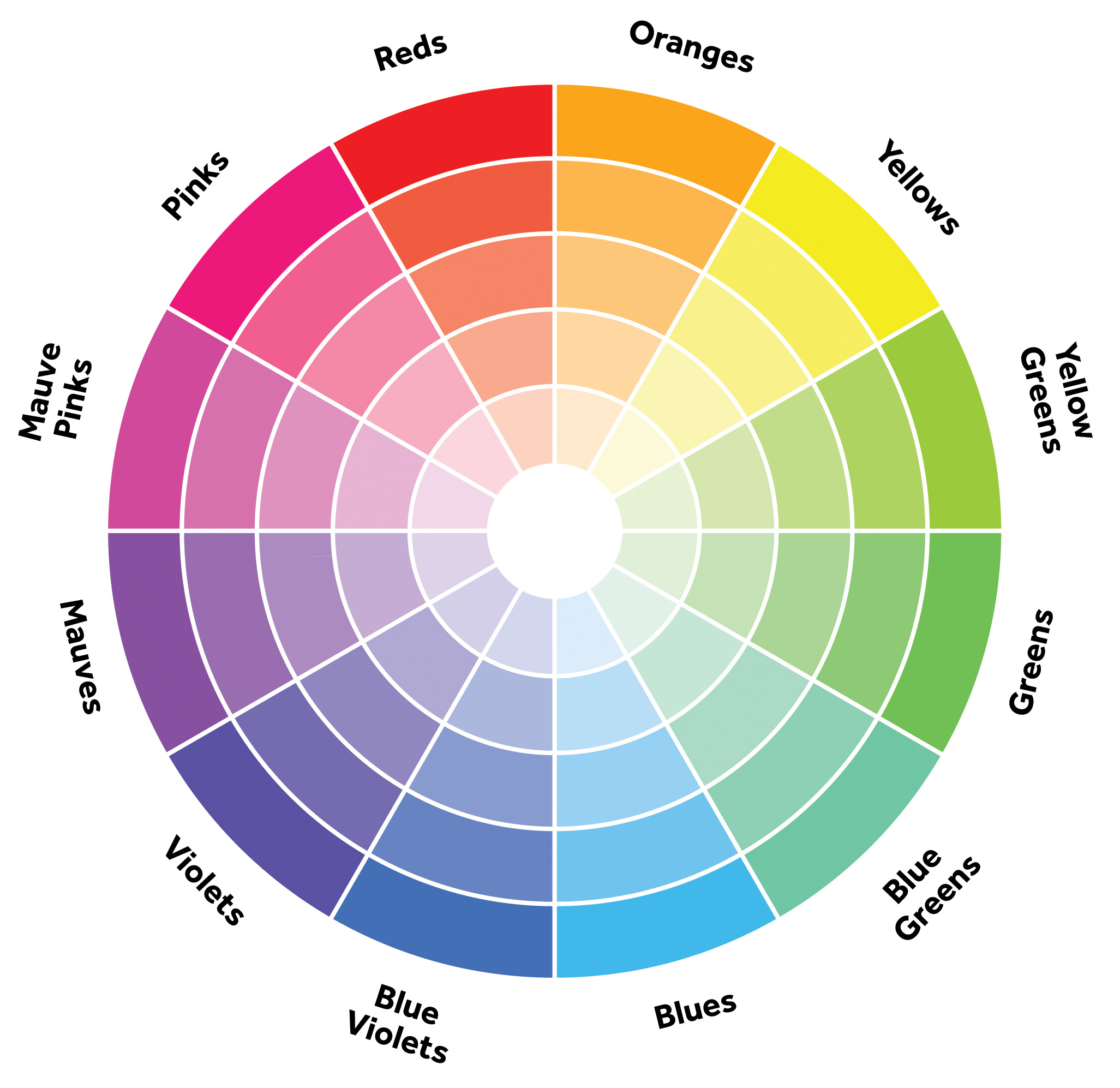
The primary function of a cap is to shield the face and eyes from harmful ultraviolet (UV) rays. However, not all colours provide equal protection. Research indicates that darker shades, such as navy blue, black, and deep burgundy, absorb more UV radiation than lighter tones. This absorption results in a more significant amount of UV rays being thwarted from penetrating through to the skin. Consequently, for those prioritizing maximal protection, darker colours are preferable. Nevertheless, one must consider the interplay between this choice and the prevailing heat. Dark colours can also absorb heat, potentially leading to discomfort during prolonged wear in warm conditions.
Conversely, lighter colours such as white, beige, and pastel hues reflect sunlight, which helps keep the wearer cooler. While these colours do provide adequate sun protection, they tend to be less intrusive in blocking UV rays compared to their darker counterparts. Moreover, the reflectivity of lighter shades can lead to a vibrant aesthetic that appeals to a casual, sun-kissed look. Thus, the issue becomes one of balance: the desire for sun safety versus the innate human inclination toward comfort and style.
In addition to colour, the material of the cap significantly influences its protective capabilities. Fabrics with a tighter weave, such as canvas or denim, offer enhanced sun shielding properties compared to those made from looser weaves or synthetic blends. Furthermore, some manufacturers produce caps with built-in UV protection, a feature that can bolster both style and functionality. When selecting a cap, it is essential to scrutinise labels and descriptions for indications of UV protection ratings, which can inform a more educated purchase decision.
Fashion, inherently subjective, plays a pivotal role in the selection of a cap. Individual taste and societal trends contribute to the myriad of styles available in contemporary markets. Those drawn to sporty aesthetics may prefer baseball caps that come in various colours and prints, allowing for playful expression while still providing sun protection. In contrast, the burgeoning trend of bucket hats may entice fashion-forward individuals looking to merge retro charm with modern practicality. The colour palette available within these styles is vast, further complicating the decision-making process.
An intriguing aspect of cap colour is its psychological association and how it reflects personality. Darker hues often denote authority and sophistication, making them suitable for settings that require a more polished appearance. Conversely, lighter shades may symbolize openness and approachability, appealing to those who wish to convey a relaxed attitude. This interplay between colour and social perception cannot be underestimated when choosing headwear that aligns with one’s identity.
Furthermore, geographic location significantly impacts cap colour choice. In regions with abundant sunlight, such as southern states or tropical areas, individuals may gravitate toward vibrant colours that are not only fashionable but serve as a visual signalling mechanism, proclaiming alertness and vitality. On the other hand, those residing in cooler climates may favour more subdued, earthy tones reflecting their environment, underscoring a connection to place that resonates with cultural identity.
The cap’s versatility is another salient feature to consider. While it is primarily a sun-protective accessory, a cap can enhance various outfits—from casual weekend wear to ostentatious festival attire. Therefore, when selecting a colour, one should consider how it harmonises with existing wardrobe items. A cap that complements seasonal trends, yet remains timeless in appeal, can be a prudent investment. This blend of practicality and style demonstrates the cap’s potential as a functional yet fashionable accessory.
Moreover, one should not overlook the importance of cap construction. Features such as adjustable straps, moisture-wicking linings, and breathable fabrics can greatly enhance comfort during extensive wear. A cap that combines colour with smart design elements offers dual benefits, seamlessly marrying utility with visual appeal. Thus, aspiring hat-wearers are advised to conduct thorough research, weighing these considerations substantively against their personal style and functional requirements.
Ultimately, selecting the optimal colour cap for sun protection hinges on a confluence of factors, including UV protection levels, personal aesthetic preferences, and situational appropriateness. Darker colours may afford greater protection but could compromise comfort in hot climates, while lighter hues offer a cooler alternative without entirely sacrificing sun safety. Additionally, the choice must align with individual style sensibilities and societal influences, reflecting both personal identity and contemporary trends.
In conclusion, the best colour cap for sun protection and fashion is one that skillfully balances protection, comfort, and style. By understanding the implications of colour choices, fabric selections, and design features, individuals can make informed decisions that not only safeguard their skin but also express their personal style quotient. This informed approach ensures that each cap serves its dual purpose effectively, allowing the wearer to navigate the sun with both caution and confidence.

Leave a comment