

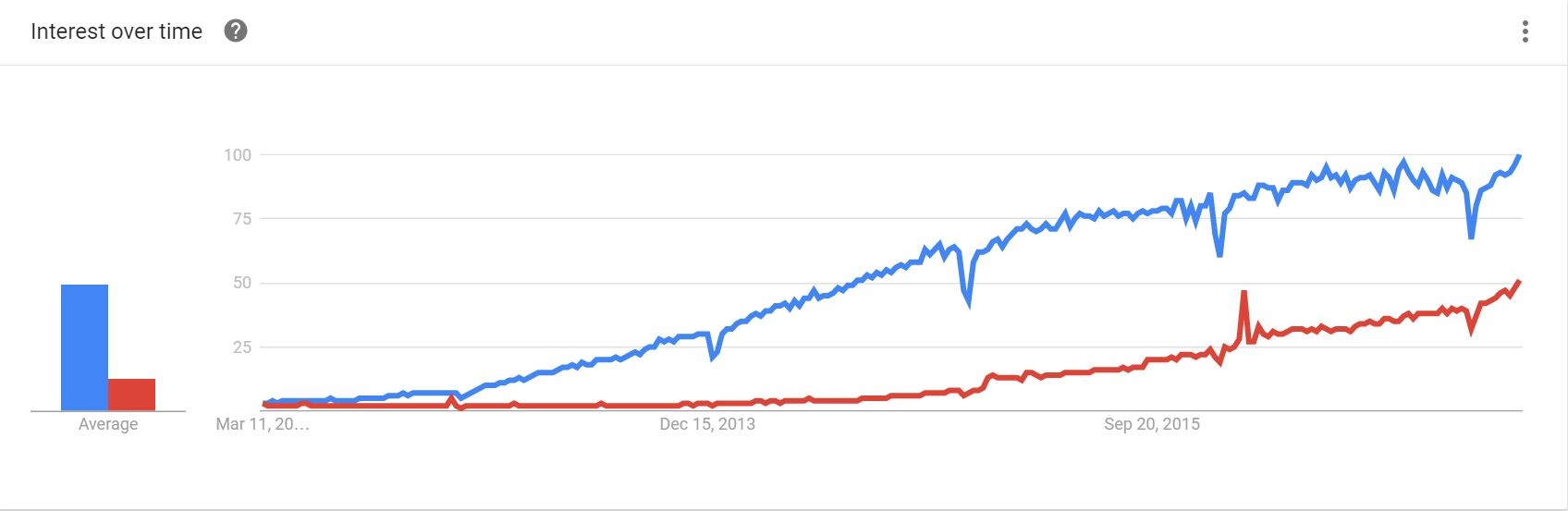
In the contemporary landscape of technology recruitment, organizations are continuously seeking innovative solutions to attract and identify top-tier programming talent. Among these solutions, CodeSignal has emerged as a notable platform, offering a unique approach to evaluating the programming capabilities of candidates. This article delves into the corporate entities leveraging CodeSignal in their hiring processes, illuminating the broader implications this has on developer hiring trends.
The evolution of coding assessment tools like CodeSignal serves as a testament to the pressing need for companies to adapt to an ever-changing job market. Traditional hiring methods, which often rely heavily on resumes and interviews, may fall short in adequately gauging a candidate’s true technical acumen. In contrast, CodeSignal provides a rigorous evaluation of coding skills through a variety of assessments, thereby facilitating a more balanced, meritocratic hiring process.
As we explore which companies utilize CodeSignal, we uncover a diverse array of industries embracing this innovative platform. At the forefront are technology firms, where the demand for skilled developers is paramount. Giants such as Airbnb, Zoom, and Dropbox have incorporated CodeSignal into their hiring pipelines. These organizations recognize the importance of employing adept software engineers, whose contributions directly impact their platforms’ efficiency and user experience. By utilizing CodeSignal, these firms not only streamline their recruitment processes but also mitigate the risks of hiring mismatches.
Venturing beyond the tech sector, financial institutions are also recognizing the utility of CodeSignal in their hiring methodologies. Companies like JPMorgan Chase and Goldman Sachs have turned to CodeSignal to identify proficient developers who can thrive in high-stakes environments. The finance sector demands precision, analytical prowess, and robustness in software development, all of which are effectively gauged through CodeSignal’s performance metrics. Hence, it becomes evident that the tool is gaining traction as a trusted resource for evaluating technical aptitude in various fields.
Furthermore, a myriad of startups is making use of CodeSignal, driven by the necessity for agility and speed in their hiring processes. Startups like Rubrik and Snyk harness the capabilities of CodeSignal to find candidates who can quickly adapt and scale their coding proficiencies alongside the evolving demands of their nascent businesses. This underscores the notion that even emerging enterprises prioritize quality over quantity in their recruitment endeavors, further shifting the paradigm of traditional hiring practices.
As we look deeper into the functionalities CodeSignal offers, it becomes apparent that it is not merely about assessing coding skills; it also emphasizes the significance of diversity within the tech workspace. Many companies utilizing this platform are making concerted efforts to foster inclusive hiring practices. For instance, organizations like LinkedIn are not only focused on finding the best talent but also on creating a diverse workforce. CodeSignal’s customizable assessments allow firms to cater to a broad spectrum of candidates, thus facilitating equitable opportunities irrespective of background.
Additionally, CodeSignal has introduced a unique feature known as the ‘CodeSignal Certified’ program. This initiative enables candidates to demonstrate their skills through rigorous assessments and receive certifications that are widely recognized across the industry. Companies eager to attract certified talent are increasingly adopting this credentialing system. As prospective developers obtain these certifications, their employability increases significantly—a phenomenon that is crucial in a job market that favors demonstrable skills.
Given the growing reliance on digital platforms and remote work capabilities, the necessity for online coding assessments is more pronounced than ever. Companies are appreciating the advantage of remote assessments in reaching a broader candidate pool, thereby enhancing their chances of discovering the best talent regardless of geographical constraints. CodeSignal, with its remote-friendly features, facilitates this shift, reinforcing organizations’ resilience during transitional phases or unexpected disruptions.
A stern look at the data also reveals that high-performance standards in assessments can act as a double-edged sword. While CodeSignal enables firms to uphold these standards, candidates often find themselves under significant pressure to deliver results. This volatile dynamic has prompted discussions regarding the ethical implications of such assessment methods. Companies must navigate this terrain judiciously, ensuring that they maintain a balance between rigour in evaluations and fostering a positive candidate experience.
In conclusion, CodeSignal is more than just a coding assessment tool; it reflects a fundamental shift in how organizations approach talent acquisition. The diverse range of companies, from tech behemoths to agile startups, harnessing its capabilities signals a transformative trend in developer hiring practices. As these organizations continue to embrace data-driven recruitment processes, the implications for the broader job market and developer ecosystem are profound. In an era where skills often supersede formal qualifications, CodeSignal is poised to revolutionize the way developers are evaluated, paving the way for a future where technical competency becomes the foremost criterion in hiring decisions.
Ultimately, the exploration of these trends not only piques curiosity but promises an evolving narrative of how recruitment is undertaken within the technology sector and beyond. By understanding who uses CodeSignal and why, stakeholders can glean vital insights—fostering a more sophisticated approach to hiring that is reminiscent of contemporary challenges and opportunities in the digital domain.

Leave a comment