

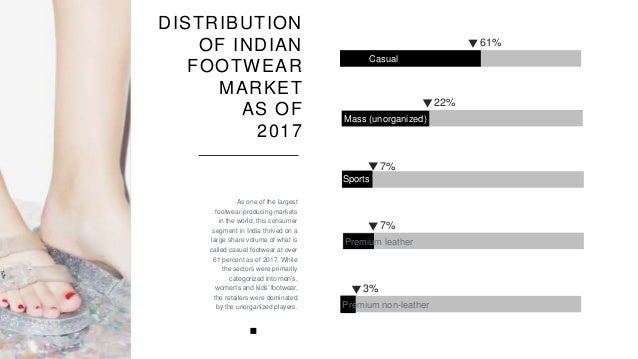
In the labyrinthine world of fashion and footwear, one segment remains consistently captivating: the realm of casual footwear. As the lifestyle of modern consumers evolves, the demand for comfortable yet stylish shoes burgeons, prompting companies to innovate and redefine their offerings. In this analysis, we delve into the intricacies of the casual footwear market, scrutinizing which companies are at the forefront and what attributes drive their success.
Understanding the casual footwear market intricately involves dissecting the prevailing trends that shape consumer preferences. A confluence of factors—including demographic shifts, lifestyle alterations, and technological advancements—ensures that the landscape is ever-changing. Consumers, particularly millennials and Gen Z, prioritize comfort and versatility alongside aesthetics, leading companies to adopt a consumer-centric approach in their design philosophies.
To unravel the question of which company excels in casual footwear, one must first evaluate the leading players within the industry. Giants like Nike, Adidas, New Balance, and Puma have dominated the casual footwear segment with their expansive product lines. Emerging brands such as Allbirds and Vans also warrant attention for their unique value propositions and growing popularity among niche markets.
Nike, an indomitable force in the athletic and leisure sectors, has revolutionized casual footwear through its seamless integration of cutting-edge technology with sleek design. The Nike Air Max series, for example, not only provides exceptional comfort but also embodies a bold statement within streetwear culture. Nike’s commitment to sustainability, particularly with initiatives focused on eco-friendly materials, positions it favorably among environmentally conscious consumers.
Similarly, Adidas has carved a formidable niche in the casual footwear arena with its emphasis on collaboration and innovation. The Yeezy brand, in partnership with Kanye West, has propelled Adidas into a stratosphere of desirability, merging high fashion with casual footwear. Their adoption of the BOOST technology presents an unparalleled experience in cushioning, ensuring that wearers enjoy both comfort and style.
New Balance, often overshadowed by its more illustrious counterparts, promises a captivating narrative within casual footwear. Known for their proclivity towards comfort and functionality, New Balance’s dedication to craftsmanship resonates with discerning consumers. The 990 series, revered for its retro aesthetic and exceptional durability, appeals to a broad demographic, reinforcing the idea that casual footwear can be both practical and fashionable.
Moreover, niche brands such as Allbirds have emerged as disruptors, championing sustainability and simplicity in design. Their unique use of merino wool and eucalyptus tree fibers not only emphasizes comfort but also reflects an acute awareness of environmental impact. This ethos resonates profoundly with a growing consumer base that values ethical practices, consequently positioning Allbirds as a formidable competitor in the casual footwear marketplace.
Equally, Vans has developed a robust identity rooted in skate and street culture. Renowned for their iconic slip-ons and checkerboard patterns, Vans transcends generations by maintaining a sense of authenticity. Their embrace of community-oriented initiatives fosters brand loyalty, particularly among younger consumers eager to align with brands that reflect their values.
Market analysis indicates that consumer preferences are significantly influenced by numerous external factors, including cultural shifts and technological innovations. The rise of athleisure—casual clothing designed for athletic activities—has further blurred the lines, prompting traditional brands to recalibrate their strategies. This trend illustrates a broader cultural movement towards casual, yet polished attire, ensuring that casual footwear remains integral to everyday wardrobes.
In scrutinizing the performance metrics of these companies, one must consider financial indicators, brand loyalty, and consumer sentiment. Companies adept at leveraging social media and influencer marketing tend to outperform competitors, harnessing the power of digital engagement to cultivate a devoted following. The collaborative ventures within the sneaker culture also illuminate the importance of exclusivity and limited releases, intensifying demand and driving sales.
Another pivotal area of inquiry lies in the adaptation to technological advancements. The integration of digital platforms for e-commerce and personalized shopping experiences is shaping consumer interactions with brands. Companies that offer augmented reality try-on features or bespoke customization options are setting themselves apart in a saturated market. This technological interplay not only enhances consumer engagement but also allows for a more tailored fit, dictating future purchasing behaviors.
As the market evolves, it beckons the question of how these leading companies will adapt to impending changes and consumer demands. Will they continue to innovate, or will complacency seep in as they bask in their successes? The future is rife with possibilities for those that remain agile and responsive to the whims of the consumer marketplace.
In summation, the casual footwear landscape is a vibrant amalgamation of established giants and agile newcomers, each contributing uniquely to the fabric of consumer lifestyles. The companies that excel in this domain exhibit a profound understanding of market dynamics—ranging from consumer psychology to technological integration. As preferences shift and evolve, one thing remains certain: the quest for the perfect blend of comfort, style, and ethical consciousness will continue to shape the future of casual footwear.

Leave a comment