

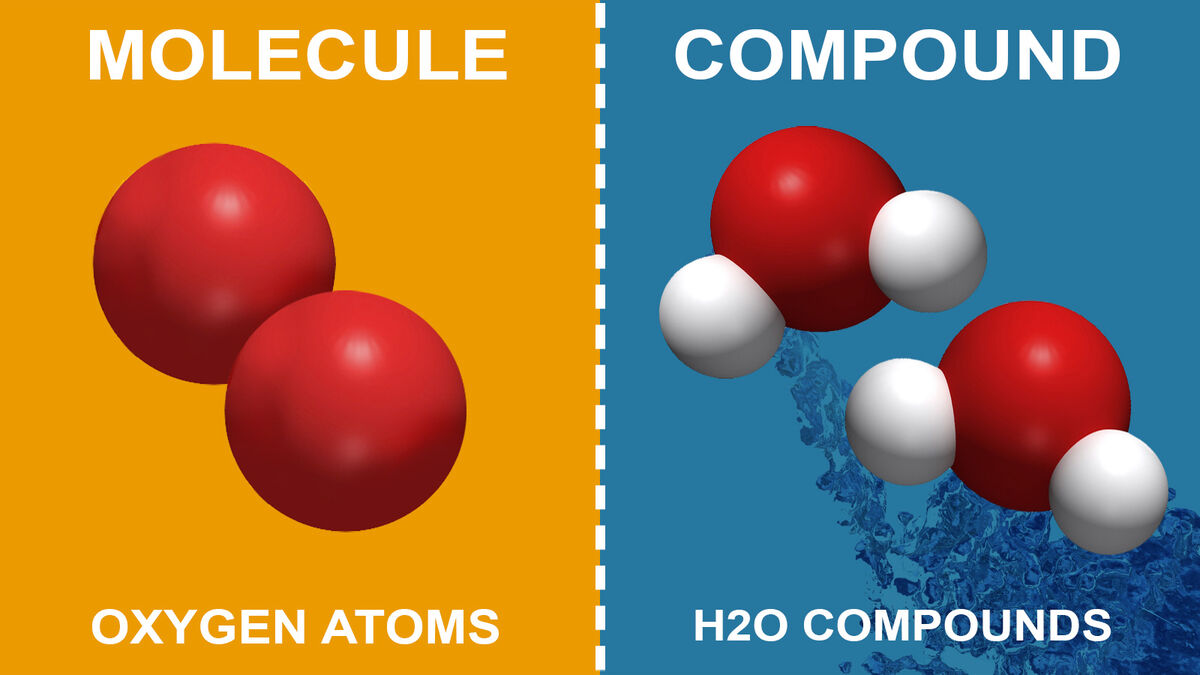
Regeneration is a remarkable biological phenomenon exhibited by various organisms, allowing them to restore lost or damaged tissues, organs, and even limbs. The intricate processes involved in regeneration are underpinned by complex biochemical pathways, leading to the synthesis of specific compounds that facilitate cellular proliferation, differentiation, and ultimately, tissue renewal. Understanding the types of compounds produced during regeneration provides profound insights into the mechanisms of healing and offers potential therapeutic applications in regenerative medicine.
At the heart of the regeneration process, several key compounds are involved, primarily focusing on growth factors, signaling molecules, and extracellular matrix (ECM) components. The compounds orchestrate the regeneration process by modulating cellular behavior. This article elaborates herein on critical compounds within the regeneration domain.
1. Growth Factors
Growth factors are paramount in regeneration as they stimulate cell proliferation and survival. One notable growth factor is the Transforming Growth Factor-beta (TGF-β), implicated in diverse regenerative processes including wound healing and embryonic development. TGF-β promotes extracellular matrix synthesis and fibroblast proliferation, exacerbating the healing process through scar tissue formation.
Similarly, Fibroblast Growth Factor (FGF) is instrumental in angiogenesis and epithelialization. FGF not only catalyzes the proliferation of fibroblasts but also enhances the migration of endothelial cells, thereby facilitating new blood vessel formation essential for oxygen and nutrient supply to regenerating tissues.
It is critical to note the intricate balance of these growth factors, as excessive signaling could lead to fibrotic complications rather than successful regeneration. Thus, the nuanced regulation of growth factor activity underscores the delicate interplay involved in tissue renewal.
2. Extracellular Matrix Components
The extracellular matrix (ECM) plays a vital role in regeneration, acting as a scaffold that provides structural and biochemical support to neighboring cells. Collagen, the most abundant protein in the ECM, is produced in various forms (e.g., type I, II, and III), yet type I collagen is predominantly essential for wound healing and scar formation.
In addition to collagen, glycosaminoglycans (GAGs) such as hyaluronic acid significantly influence tissue regeneration. Hyaluronic acid is critical for maintaining tissue hydration, facilitating cellular migration, and modulating inflammatory responses. Its presence fosters an appropriate microenvironment conducive to the repair and regeneration processes.
3. Signaling Molecules
During regeneration, numerous signaling molecules come into play, including nitric oxide (NO) and prostaglandins. Nitric oxide is a free radical that possesses vasodilatory properties, promoting blood flow to the site of injury, thus augmenting oxygen supply crucial for the metabolic needs of regenerating tissues. Moreover, NO has been implicated in cellular signaling pathways that regulate apoptosis and cell survival, further influencing the regeneration landscape.
Prostaglandins, derived from membrane phospholipids, exert potent effects on inflammation and healing. They contribute to pain modulation, vascular permeability, and the recruitment of immune cells to the site of injury, highlighting their critical function during the intricate phases of tissue regeneration.
4. Stem Cell Mobilization and Differentiation
The role of stem cells in regeneration cannot be underestimated. Stem cells possess the unique ability to differentiate into various cell types necessary for tissue repair. Factors such as the Wnt signaling pathway play a pivotal role in stem cell mobilization and subsequent differentiation. Activation of Wnt pathways enhances stem cell proliferation and directs their fate toward specific lineages essential for restoring tissue architecture.
Moreover, induced pluripotent stem cells (iPSCs) generated from somatic cells sit at the forefront of regenerative medicine. They have the potential to differentiate into virtually any cell type, enabling the reconstruction of damaged tissues and offering prospects for treating degenerative conditions.
5. Inflammation and Immune Response
Inflammation is an inherent component of the regenerative process. It serves both beneficial and detrimental functions, necessitating a delicately balanced response. Cytokines such as interleukins (IL-6, IL-10) and tumor necrosis factor-alpha (TNF-α) govern the inflammatory milieu, influencing tissue repair and regeneration. The resolution of inflammation is as critical as its initiation; therefore, compounds that promote anti-inflammatory responses are equally vital.
Conclusively, the intricate dance of various compounds during the regeneration process is a compelling testament to the sophistication of biological systems. From growth factors that stimulate proliferation to ECM components that provide structural scaffolding and signaling molecules that govern cellular communication, each component plays a pivotal role. Continued exploration of these compounds holds promise for bolstering our understanding of regenerative medicine, paving the way for innovative therapeutic strategies to enhance tissue repair and improve patient outcomes.

Leave a comment