

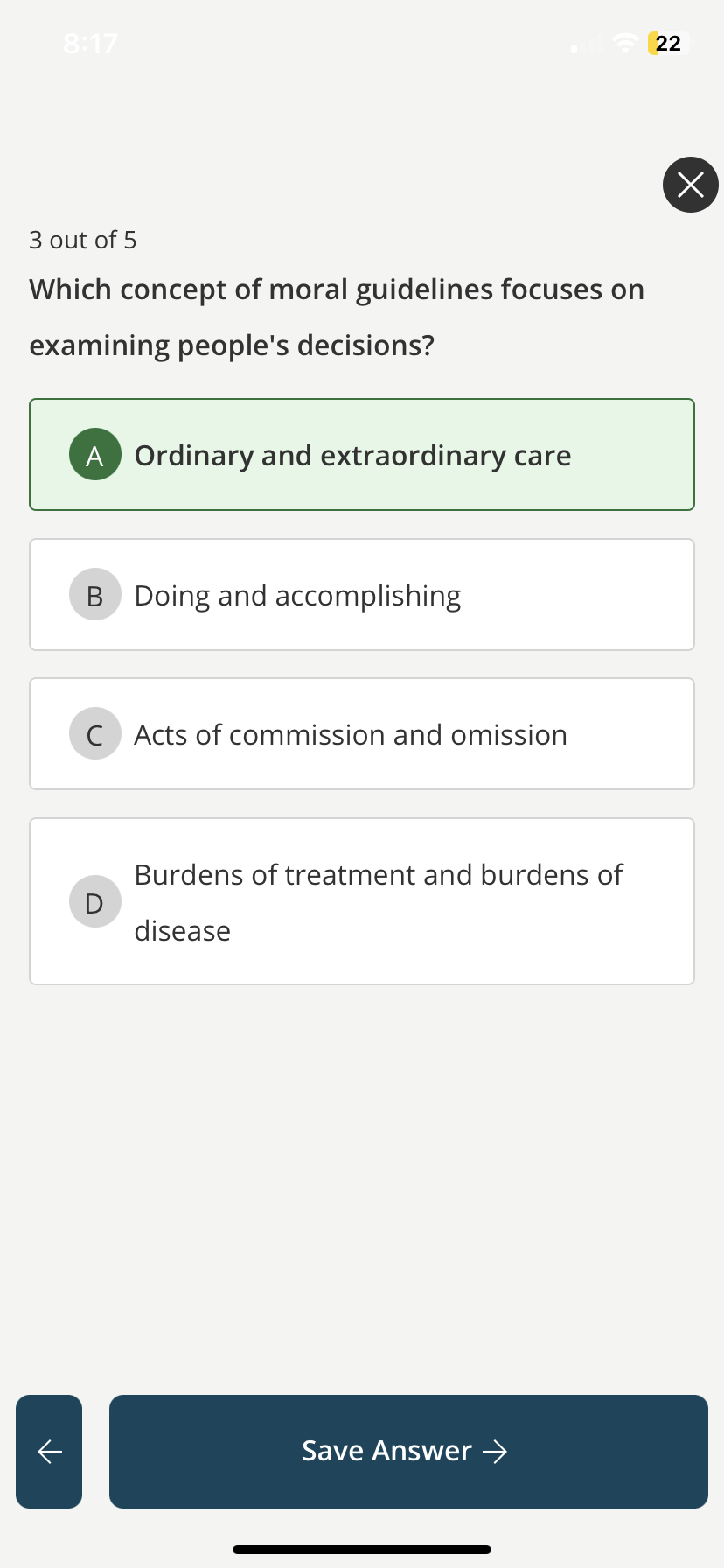
Ethics serves as a cornerstone in the intricate labyrinth of human decision-making. The concept of moral guidelines, particularly those focusing on examining individuals’ decisions, embodies a rich tapestry of philosophical inquiry. It encompasses a myriad of theoretical frameworks that seek to elucidate how values and principles influence choices, thereby reflecting the underlying motives driving human behavior. This exploration delves into the multifaceted nature of ethics, offering insights into how moral principles intersect with the realm of decision-making.
At the heart of ethical examination lies the proposition that moral frameworks are not merely abstract constructs but rather serve as practical lenses through which individuals confront dilemmas. When faced with challenging decisions, individuals often navigate through a myriad of ethical doctrines. Among these, consequentialism, deontology, virtue ethics, and care ethics emerge as paradigmatic approaches that compel us to scrutinize not only the decisions themselves but also the rationales underpinning them.
Consequentialism posits that the ramifications of actions form the basis of their moral standing. Decisions are deemed right or wrong based on their outcomes. This ethical standpoint raises pertinent questions about utilitarianism, suggesting that an action’s morality is contingent upon its capacity to generate the greatest happiness for the greatest number. Through this lens, ethical dilemmas become dissected based on a rigorous cost-benefit analysis, compelling individuals to evaluate their choices not just in isolation, but against a backdrop of potential societal impacts.
Conversely, deontological ethics takes a decidedly different approach. This framework insists that certain actions possess intrinsic moral value, independent of their consequences. Central to this philosophy is the notion of duty—obligations that transcend subjective outcomes. Kantian ethics, a pivotal strand within deontology, elucidates a categorical imperative that mandates adherence to universalizable maxims. Here, the ethical examination pivots towards intention and adherence to moral codes, igniting profound considerations about the essence of duty and virtue amidst complex decision-making processes.
In contrast, virtue ethics shifts the focus from action and consequences to the character of the decision-maker. Rather than assessing the morality of individual actions, this perspective emphasizes the cultivation of virtues as integral to making ethical decisions. Aristotle’s ancient philosophy underpins this stance, wherein moral character and the pursuit of the ‘good life’ orient decisions towards a flourishing existence. In this regard, ethical dilemmas challenge individuals to evolve and refine their character, embodying traits such as courage, wisdom, and temperance that ultimately inform better decision-making practices.
Furthermore, care ethics introduces an empathetic dimension to moral evaluation, underscoring the significance of relationships and interconnectedness. This approach engenders an awareness of the context surrounding decisions, prompting individuals to account for the web of human relationships affected by their choices. The ethics of care press for contextual sensitivity and a commitment to prioritizing relational dynamics, fostering an understanding that moral decisions are invariably affected by the fabric of social interactions.
The ethical examination of decision-making therefore arises as a fertile ground for inquiry. It beckons individuals to reflect on the motives driving their choices while challenging the simplistic dichotomy of right and wrong. A deeper scrutiny reveals that decisions are seldom devoid of ambiguity, as they inevitably entwine aspirations, societal norms, and personal values. This complexity fosters a fascination with the ethical implications of human behavior. Observers may find themselves questioning not just the decisions made, but the intricate web of ethical reasoning that supports these choices.
In a world rife with moral uncertainty, ethical frameworks provide a semblance of order, illuminating paths of reasoning that might otherwise remain obscured. These frameworks do not offer unequivocal answers but engender robust discussions that cultivate awareness and critical thinking. Understanding ethics in action transforms how decisions are perceived—shifting from an isolated lens to an interconnected analysis revealing the broader implications of individual choices.
The implications of ethical decision-making extend beyond the individual sphere into societal paradigms. When groups or organizations grapple with ethical dilemmas, the values they espouse and integrate into their decision-making apparatus reflect their moral compass. Corporate governance, public policy, and community standards often hinge upon ethical deliberation, underscoring the vital role of moral guidelines in shaping collective actions. A concerted effort to embed ethical considerations within institutional frameworks fortifies the integrity of decision-making processes and fosters trust among stakeholders.
Ultimately, the journey through the landscape of moral guidelines reveals a profound curiosity encapsulated within human experience. The examination of decisions through the prism of ethics elucidates not only the complexity of choices but also the overarching narratives that define humanity. The interplay of philosophical doctrines affords us not only an understanding of what we ought to do, but also calls us to elevate our moral consciousness—a crucial endeavor in our pursuit of a just and equitable society.
As we navigate the intricacies of ethical dilemmas, the responsibility lies in the capacity to engage in thoughtful reflection and dialogue. Armed with various ethical lenses, individuals can comprehend the labyrinthine nature of decision-making—a capacity that enriches personal growth and national discourse alike. The exploration of moral guidelines is, therefore, not simply an academic exercise; it is a pivotal undertaking to understand and better ourselves within the complex fabric of society.

Leave a comment