

When one contemplates the innocuous nature of the common louse, it is easy to dismiss the ramifications of a pediculosis capitis infestation. This unassuming parasite, scarcely larger than a pinhead, can evoke considerable distress, serving as a harbinger of a cascade of uncomfortable conditions. The itchiness provoked by these unwelcome intruders is merely the tip of the iceberg; beneath the surface lies a plethora of secondary conditions that may arise from an infestation. Understanding these complications provides a deeper insight into the organism’s impact on the human host and offers a glimpse into the dark reality of living with head lice.
First and foremost, one must acknowledge the primary symptom associated with pediculosis capitis: pruritus, or relentless itching of the scalp. This ceaseless compulsion to scratch is triggered by the louse’s saliva, injected into the skin during feeding. The body’s immune response creates an inflammatory reaction that intensifies the urge to scratch, setting off a cycle that is all too familiar for those afflicted. It is the proverbial itch that beckons, demanding to be scratched, and with every stroke, the stage is set for subsequent complications.
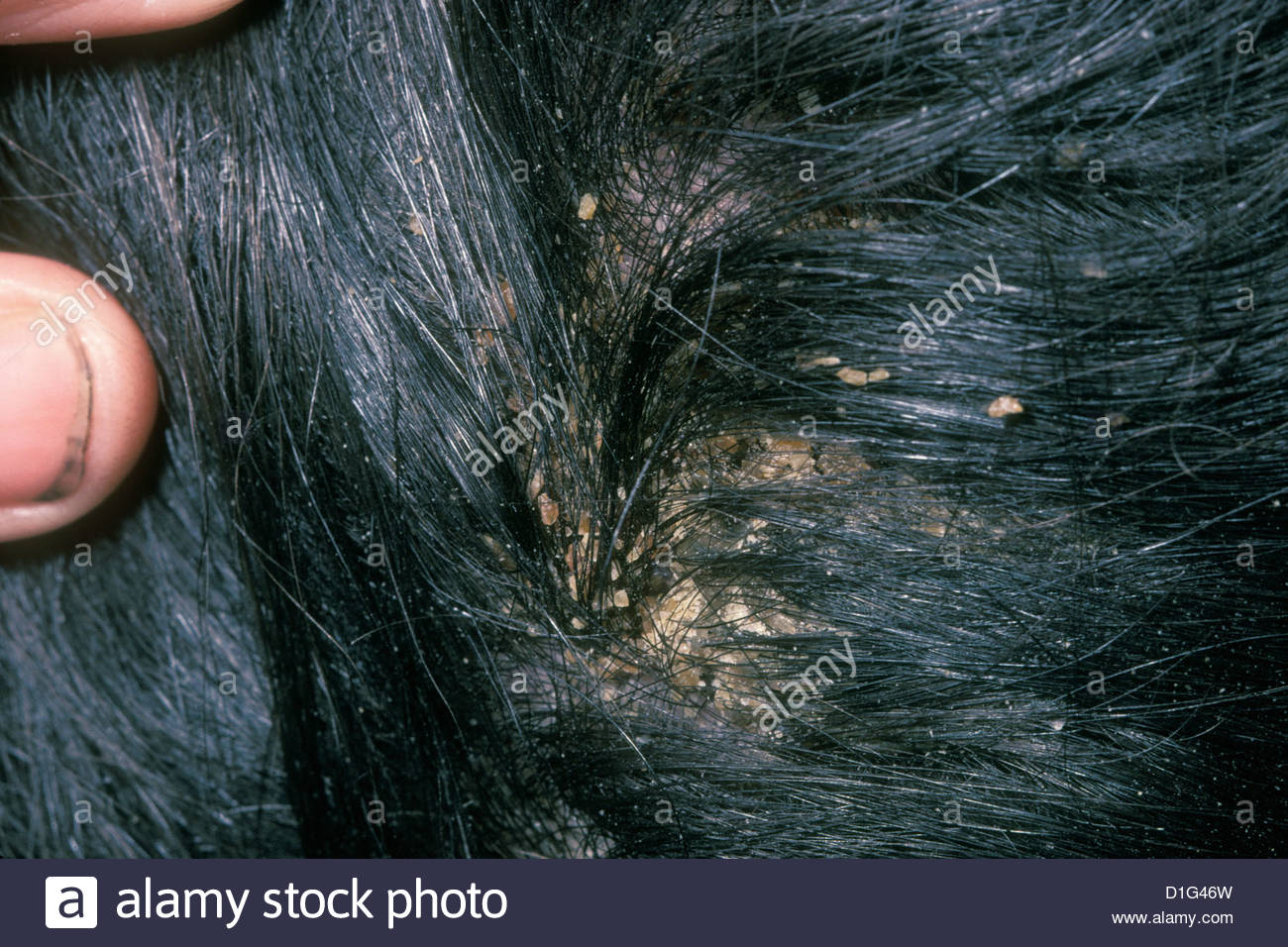
As the cycle of scratching continues, the first major condition that one may encounter is the development of excoriations. These are, in essence, self-inflicted wounds that result from the persistent scratching of the scalp. What begins as benign itching can soon lead to red, inflamed areas on the scalp that may become crusted and ooze—a fertile ground for secondary infections. Excoriations can also lead to the introduction of bacteria, complicating the original infestation and necessitating medical intervention.
Furthermore, these excoriations can extend into a condition known as impetigo, particularly in children, who are quintessentially prone to infections due to their frequent play and shared spaces. Impetigo is characterized by the presence of honey-colored crusts, typically around the scalp or in other areas where scratching has occurred. Staphylococcus aureus, a type of bacteria, can infiltrate the compromised skin, leading to blistering and further discomfort. This scenario is akin to a once-symptomatic tree being rendered hollow by a persistent woodpecker—what was once a minor annoyance evolves into a significant biological upheaval.
Another potentially dire consequence of pediculosis capitis is the psychological stressors associated with the infestation. Social stigmas and perceptions surrounding lice can lead to significant emotional distress, especially in children. The relentless teasing or social ostracism that can accompany a lice infestation may result in anxiety, shame, and a diminished sense of self-worth. This psychological component is often overlooked, yet it adds a complex layer to the already multifaceted consequences of head lice. The affective fallout can linger long after the lice have been eradicated, akin to the shadows left behind by an eclipsing celestial body.
Moreover, a lesser-recognized consequence is the phenomenon known as “lice anxiety,” where individuals, particularly parents, become overly preoccupied with the presence of lice in their lives or the lives of their children. This hyper vigilance may lead to frequent head checks and excessive use of preventive measures, creating an environment of constant worry. This anxiety can dominate the daily lives of those affected, serving as a reminder that lice infestations extend far beyond mere physical symptoms.
Furthermore, the emergence of respiratory conditions can occur in rare instances, particularly in individuals with a predisposition to allergic reactions. An incessant cycle of scratching and resultant inflammation may exacerbate pre-existing conditions such as asthma or lead to allergic rhinitis. The body’s immune system, already engaged in a battle against the lice, may misinterpret other benign stimuli as threats, leading to a pervasive state of hyperreactivity. This crescendo of symptoms can create an alarming presentation that underscores the complexity of the body’s response to seemingly simple irritations.
In addition to these physiological and psychological ramifications, there are also practical implications to consider. The treatment of pediculosis capitis often necessitates the use of insecticidal shampoos, which, while effective at eliminating lice, can also introduce their own set of complications. Overuse of these treatments may lead to resistance among lice populations, rendering future infestations harder to control. This arms race between treatment and resistance mirrors the ongoing struggle between predator and prey, a timeless duet that plays out across ecosystems.
The journey through and beyond an infestation of pediculosis capitis unveils a tapestry of complications, each thread woven with care. From the initial itch to the psychological scars left in its wake, the implications are profound. While lice may have a reputation for being an inconvenience or an embarrassment, it is essential to recognize the tangible effects they exert on both body and psyche. The broader conversation surrounding lice should not merely focus on eradication but also encompass the underlying issues and challenges that infestations present. Ultimately, this journey through the tangled world of lice serves as a poignant reminder of the intricate interplay between a small creature and the larger human experience—an itch that, once scratched, unfolds into a far more complex story than one might have anticipated.

Leave a comment