

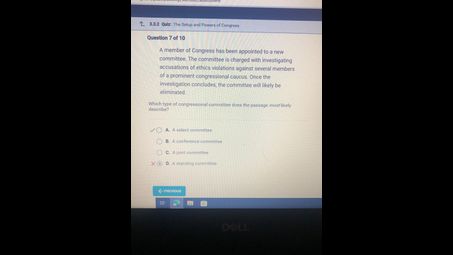
In the intricate arena of American politics, understanding the varying congressional groups is paramount to deciphering legislative dynamics. Each group operates within its own framework of ideology and political strategy, contributing to the larger mosaic of governance. This analysis aims to elucidate the characteristics, compositions, and influences of these factions, ultimately guiding readers to identify which congressional group is most likely described in a given passage.
1. Overview of Congressional Groups
Congressional groups encompass a diverse array of factions, each with distinct ideological leanings and agendas. Predominantly, they can be classified into three primary categories: the majority party, the minority party, and various caucuses. Each group plays a crucial role in legislative processes, shaping policies that echo across the nation. Understanding their individual and collective roles is essential in navigating congressional landscapes.
2. The Majority Party: Dominance and Influence
The majority party holds significant sway within Congress. This group possesses the power to dictate the legislative agenda, appoint committee chairs, and influence the passage of bills. Currently, affiliations such as the Democrats and Republicans hold the majority in their respective houses at various intervals, embodying the political ideologies of their constituents. Their dominance often dictates the legislative tone, yielding either progressive or conservative policymaking, depending on their philosophical underpinnings.
For instance, when the Democratic Party holds the majority, one may observe a push for expansive social programs and environmental legislation. Conversely, a Republican majority may champion deregulation and tax cuts. This dichotomy illustrates how the majority party’s stance directly influences the legislative outcomes.
3. The Minority Party: The Watchful Opposition
Conversely, the minority party serves as a counterbalance to the majority’s influence. Though lacking the same level of power, the minority plays a critical role in shaping legislative discourse. Their responsibilities often include scrutinizing proposed legislation, proposing alternative policies, and rallying party unity against initiatives put forth by the majority.
In recent years, the minority party has engaged in strategic partnerships and coalitions, aiming to amplify its voice despite its numerical disadvantage. Understanding the maneuvers of the minority party is crucial, as they often leverage public opinion and bipartisan support to influence legislation subtly.
4. Caucuses: The Coalition Builders
Beyond the dichotomy of majority and minority parties, congressional caucuses emerge as significant players in the legislative process. These informal groups are often formed around shared interests, ideologies, or demographics, serving to amplify specific agendas within Congress. Examples include the Congressional Black Caucus, the Congressional Progressive Caucus, and the Freedom Caucus, each representing unique political philosophies and constituencies.
Caucuses exert influence through collective actions, often mobilizing members to advocate for specific issues. Their ability to coalesce around particular legislation enhances their impact, making them indispensable to understanding the multifaceted nature of congressional behavior. The dynamic interplay between caucuses and the major parties can result in unexpected legislative collaborations or intense conflicts, illustrating the layered complexity of congressional proceedings.
5. The Legislative Process: Interactions Between Groups
The legislative process is a crucible where these various congressional groups interact, negotiate, and sometimes clash. Bills often undergo extensive scrutiny, and the interplay between the majority and minority parties, alongside caucus coalitions, shapes their final form. Amendments, debates, and committee reviews signify points of negotiation, where the interests of different groups converge or diverge.
The role of leadership cannot be understated in this context. Congressional leaders, such as the Speaker of the House or the Senate Majority Leader, serve not only as figureheads but also as tacticians adept at navigating the complex landscape of interparty dynamics. Their ability to marshal votes, negotiate deals, and maintain party cohesion is critical in determining legislative success.
6. Case Studies: Analyzing Recent Legislation
To grasp the nuances of these congressional dynamics, it is beneficial to examine case studies of recent legislation. An analysis of pivotal bills, such as the Affordable Care Act or tax reform legislation, reveals how various congressional groups enacted strategies to further their agendas. By scrutinizing these legislative milestones, one can gain insights into the contexts in which different congressional groups exert their influence.
For instance, during the passage of the Affordable Care Act, the Democratic majority leveraged a coordinated strategy, engaging key caucuses to ensure passage amidst contentious debates. Analyzing such instances underscores the importance of coalition-building and the strategic deployment of member resources.
7. Conclusion: Navigating the Complexity of Congressional Groups
In summation, understanding which congressional group is described in a passage demands a comprehensive examination of their roles, strategies, and interactions within the legislative framework. Identifying the majority and minority parties alongside active caucuses unveils the complexities of congressional dynamics. As these groups navigate the legislative landscape, they engage in a constant interplay of power and influence, shaping policy outcomes that resonate beyond the hallowed halls of Congress. Thus, one must appreciate the multifaceted nature of these groups to grasp the essence of American legislative dynamics fully.

Leave a comment