

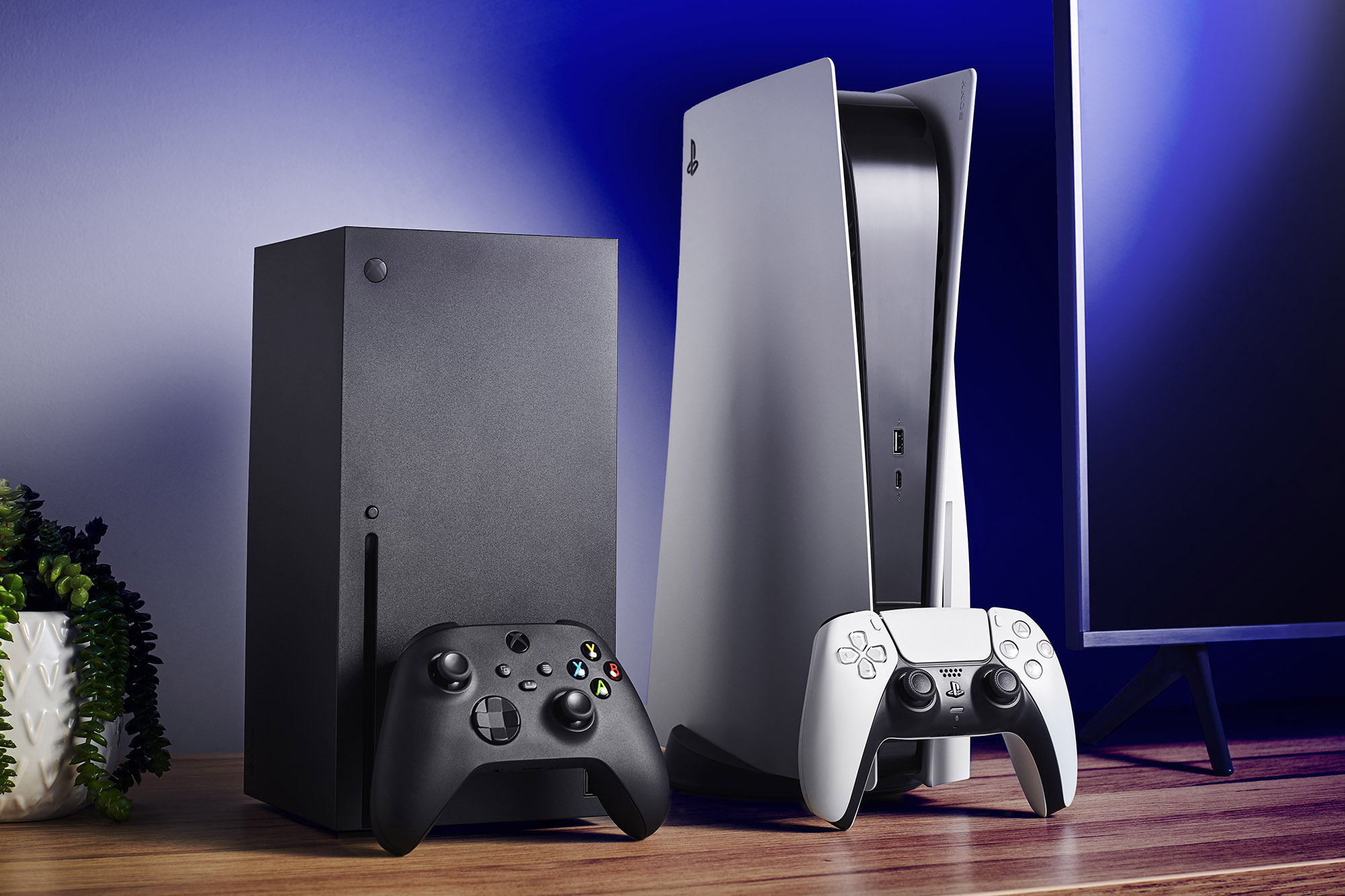
The ongoing rivalry between video game consoles has always ignited passionate discourse among gamers and tech enthusiasts alike. In the realm of gaming, three titans consistently dominate the landscape: PlayStation, Xbox, and Nintendo. The question of which console emerges victorious in sales is not merely a matter of numbers; it speaks to consumer preferences, gaming ecosystems, and cultural influences. This article dissects the intricate dynamics of console sales, examining the merits and shortcomings of each brand.
Market Dynamics and Historical Context
To assess which console sells the most, one must first understand the historical sales trajectories of each brand. Sony’s PlayStation entered the arena in the mid-1990s and has steadily evolved, with the PlayStation 2 holding the record as the best-selling console of all time. Microsoft’s Xbox brand, introduced in the early 2000s, sought to carve a niche by emphasizing online gameplay and connectivity. Meanwhile, Nintendo, a venerable institution in the gaming world, has consistently offered innovative hardware and franchises that resonate with diverse audiences.
Historical data indicate that each console has periods of prominence. It is essential to evaluate not just the numbers, but the market dynamics at play—including demographics, pricing strategies, and the impact of exclusivity agreements on consumer choice.
Sales Figures: A Numbers Game
Analyzing empirical sales data reveals which consoles have surged in popularity. The PlayStation 4 and PlayStation 5, for instance, have consistently reported robust sales figures, with the PS5 experiencing rapid adoption despite global supply chain constraints. In contrast, the Xbox Series X and S have aimed to capture market share by bundling services like Xbox Game Pass, which offers a compelling gaming library at a competitive price point.
Nintendo’s Switch has defied traditional generational sales patterns, demonstrating an ability to engage casual gamers and families. With an innovative hybrid design, it appeals not only to hardcore gamers but also casual users seeking flexibility in their gaming experience. Sales figures indicate the Switch has soared in popularity, often rivaling its more graphically powerful counterparts.
Consumer Preferences: What Drives Purchase Decisions?
Understanding the consumer psyche is fundamental in this analysis. Brand loyalty plays a significant role; many gamers develop an affinity towards a particular console based on nostalgia, exclusive titles, and social circles. The exclusivity of games is a potent weapon in this battle. Renowned franchises such as “The Last of Us” or “God of War” for PlayStation, “Halo” for Xbox, and “The Legend of Zelda” or “Super Mario” for Nintendo create compelling reasons for consumers to lean towards a specific console.
Moreover, cross-platform functionality has become a pertinent factor. As gaming communities flourish across platforms, the ability to play with friends regardless of their console of choice can sway purchasing decisions. Services such as cross-play have transformed competitive gaming, allowing players to engage with a broader community. In this vein, Xbox has taken strides in providing inclusive experiences by nudging toward a more fluid console ecosystem.
Regional Variability in Sales: A Global Perspective
Sales figures are not uniform across the globe; regional preferences significantly dictate market success. In Japan, for example, Nintendo has historically dominated due to its culturally resonant offerings and strong local community support. Conversely, the PlayStation brand has excelled in Europe and North America, attributed to its expansive catalog of AAA titles and a robust online infrastructure.
Market penetration strategies, including localized marketing campaigns and exclusive content tailored to specific regions, can further enhance a console’s sales performance. Understanding these regional dynamics is crucial to painting a complete picture of the console war.
Technological Advancements and Future Prospects
The gaming industry is perpetually in flux, with technological advancements continually reshaping the console landscape. Speculation surrounding cloud gaming, augmented reality (AR), and virtual reality (VR) presents both challenges and opportunities for all three manufacturers. Sony is making significant strides into the VR realm with its PlayStation VR, promising to elevate immersive gaming experiences. Meanwhile, Microsoft’s commitment to cloud technology through Azure positions it to leverage gaming as a service, enticing players with the notion of gaming from any device.
The future prospects of console sales will depend on how effectively these companies navigate technological transitions and consumer expectations. As gamers become increasingly discerning about value, brands must innovate not just in hardware but also in their overall gaming experiences.
Conclusion: Who Wins the Game?
In the ultimate battle for console supremacy, the victor is determined not solely by sales figures but by an intricate tapestry of consumer loyalty, innovative offerings, and regional dynamics. While PlayStation has often maintained a commanding lead in overall sales, Xbox and Nintendo’s strategies to engage distinct market segments cannot be overlooked. As the gaming landscape continues to evolve, the competition among these three giants promises to remain fierce, shaping the future of entertainment for years to come.
Ultimately, discerning which console sells the most transcends mere quantifiable metrics; it encapsulates an intricate interplay between technology, culture, and consumer behavior that defines the gaming zeitgeist.

Leave a comment