

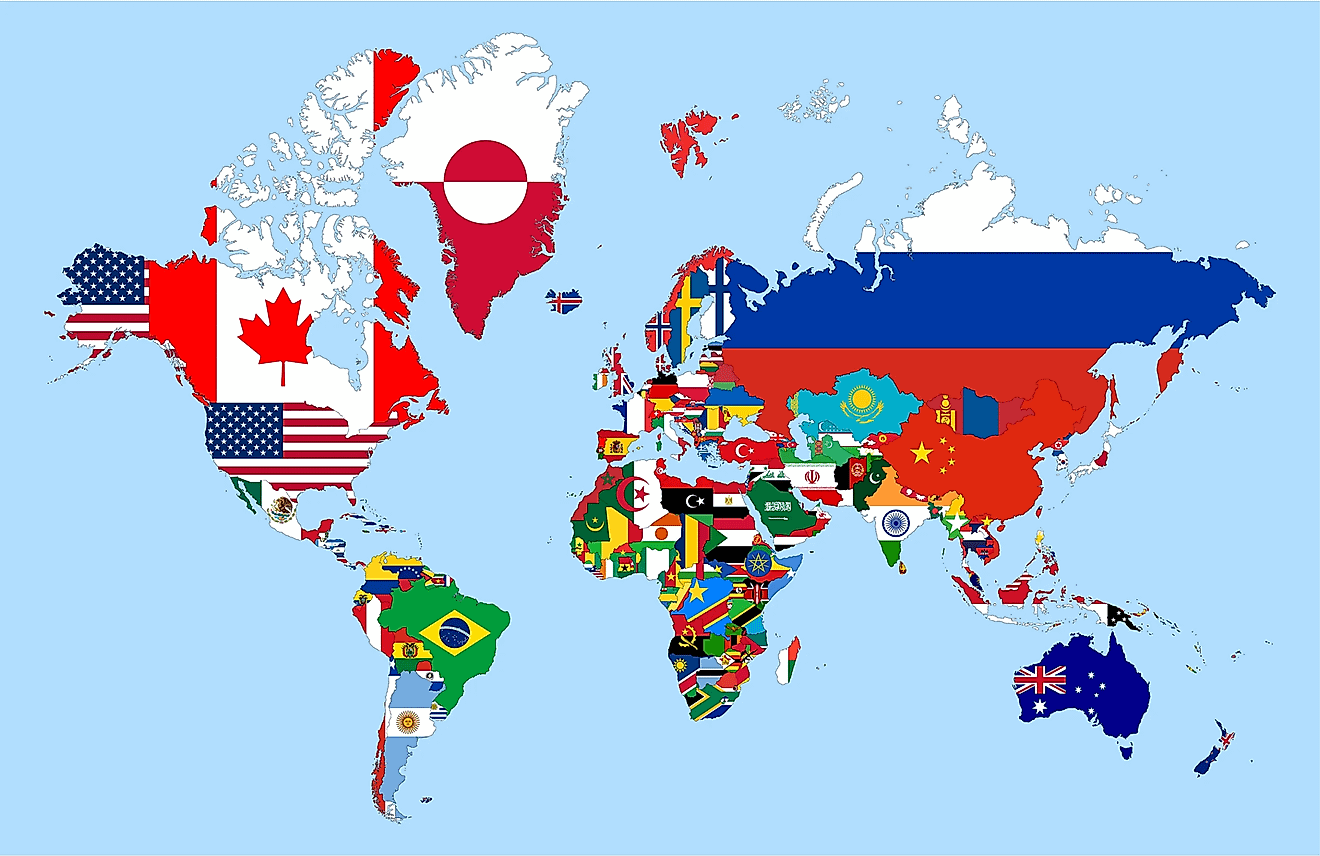
Within the annals of telecommunications, numeric designations play an integral role in distinguishing the myriad nations around the globe. Amongst these identifiers, the country code +45 warrants exploration. This code is emblematic of a specific geographical and cultural entity that is both unique and intriguing. This article delves into the essence of the nation behind the digits. We shall consider its historical context, demographic attributes, cultural hallmarks, and avenues for communication.
The country code +45 is assigned to Denmark, a Scandinavian country situated on the Jutland Peninsula and consisting of an archipelago of 443 islands. This northern nation prides itself on a rich tapestry of history, societal values, and progressive policies. Understanding the cultural backdrop rooted in this code necessitates an examination of Denmark’s evolution over the centuries.
Historically, Denmark has played a pivotal role in the narrative of Northern Europe. The Viking Age, which traversed from approximately 793 to 1066 CE, marked Denmark’s prominence on the world stage. The seafaring Danes were not merely raiders but also traders and settlers, establishing connections that reached as far as North America. The legacy of this era is still palpable, infusing Danish culture with a sense of adventure and exploration that resonates to this day.
The political landscape of Denmark has undergone significant transformations, culminating in a constitutional monarchy that epitomizes democratic ideals. The contemporary government system, characterized by its parliamentary democracy, is the product of a long-standing evolution of governance that commenced with the Treaty of Kiel in 1814. This document marked Denmark’s transition from absolute monarchy to the constitutional monarchy it is recognized as today. This political evolution mirrors the values dear to the Danish population—transparency, equality, and civic engagement.
Danish society is defined by its commitment to egalitarian principles. The Welfare State model, established in the mid-20th century, reflects a social contract wherein the government provides substantial services such as healthcare, education, and social security. This societal framework not only underscores Denmark’s rich economic landscape, characterized by high GDP per capita, but also fosters a strong sense of community among its inhabitants. The Danes consistently rank high on various happiness indices, a testament to the efficacy of this model and a reflection of their quality of life.
The demographic composition of Denmark is noteworthy. Approximately 5.8 million people inhabit the territory, with Copenhagen as its vibrant capital. It is essential to recognize that Danish society is increasingly multicultural, enriched by waves of immigration in recent decades. This influx has introduced new customs, foods, and languages, thereby enriching the already diverse cultural milieu. Urban centers are particularly vibrant, serving as melting pots of traditions that coalesce into a unique Danish identity, punctuated by both historical reverence and modern aspirations.
Another salient aspect of Denmark is its linguistic landscape. The predominant language, Danish, is a North Germanic language that possesses distinct phonetic characteristics. However, due to the nation’s emphasis on education and global engagement, English is also widely spoken. Many Danes are bilingual, facilitating seamless communication with international counterparts. This linguistic proficiency enhances Denmark’s role in global discourse and renders the nation an attractive hub for businesses and expatriates alike.
Communication extends beyond mere verbal exchange; it also encompasses the technological framework that underpins interpersonal connections and professional discourse. The telecommunications infrastructure in Denmark is advanced, with high-speed internet access being ubiquitous in urban and rural settings alike. The digitization of communication channels has proliferated, augmenting both individual relationships and corporate endeavors. This environment has catalyzed innovation, allowing Denmark to emerge as a frontrunner in technological advancements while simultaneously fostering an entrepreneurial spirit.
Tourism is a vital sector of the Danish economy, drawing visitors who are eager to explore the nation’s historical landmarks, stunning landscapes, and contemporary architecture. Copenhagen, often heralded as one of the world’s most livable cities, epitomizes a blend of history and modernity. Attractions such as the iconic Nyhavn harbor, the Little Mermaid statue, and the minimalist design of the Copenhagen Opera House illustrate the duality of the country’s heritage and progressive outlook. Furthermore, burgeoning eco-tourism initiatives reflect Denmark’s commitment to sustainability, resonating with environmentally-conscious travelers.
Moreover, the culinary scene in Denmark has gained remarkable recognition on the global stage. The New Nordic Cuisine movement, characterized by local, seasonal produce and innovative techniques, has not only redefined Danish dining but has also garnered Michelin stars, with establishments like Noma leading the charge. This gastronomic evolution showcases Denmark’s creative flair while simultaneously respecting its agricultural roots.
In summation, the country code +45 encapsulates Denmark—an illustrious nation with a storied past and a promising future. Its commitment to societal welfare, democratic governance, and innovation positions Denmark as a beacon in the global landscape. Understanding the nuances that accompany this numeric designation reveals the enduring spirit of a nation that continues to evolve while remaining steadfast in its core values. Thus, the digits 45 resonate not only as an identifier for telecommunications but also as an emblem of a rich cultural heritage and vibrant societal ethos. Denmark exemplifies the complex interplay of tradition and modernity, making it an invaluable case study for scholars and global citizens alike.

Leave a comment