

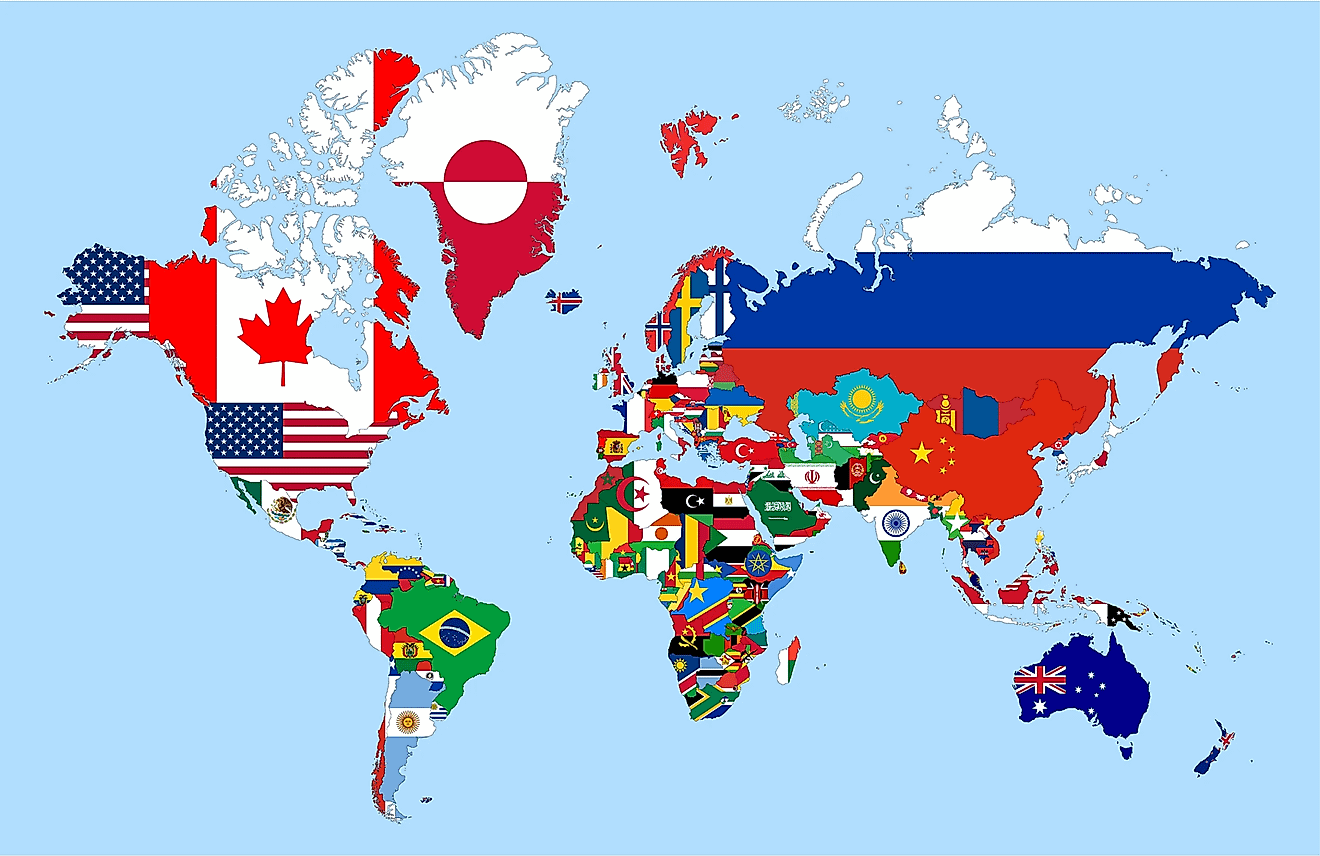
In the confluence of global communication, the attribution of country codes plays a pivotal role. When one examines the country code +226, it becomes imperative to explore its origin and implications, especially as it pertains to West Africa. The country code system, established by the International Telecommunication Union (ITU), is an alphanumeric code that serves to facilitate international communication. The code +226 is designated to Burkina Faso, a landlocked nation in the heart of West Africa.
Burkina Faso, which translates to “Land of the Honest People,” is bordered by Mali to the north, Niger to the east, Benin to the southeast, Ghana to the south, and Côte d’Ivoire to the southwest. The nation is rich in cultural diversity, possessing more than 60 distinct ethnic groups, each with its own unique traditions, languages, and customs. As the world becomes increasingly interconnected, the dynamics of telephone communication provide a window into understanding more about this fascinating country.
The concept of recognizing a country by its telephonic prefix highlights an intriguing interplay of geography, culture, and identity. When one receives a call from an unrecognized number prefixed by +226, it often ignites a cascade of questions: Who is calling? What is their purpose? How did they acquire the number? In an age marked by globalization, the act of receiving communication from distant lands often evokes curiosity about the sender’s background. This fascination can be attributed to the inherent human desire for connection and understanding.
Historically, Burkina Faso was known as Upper Volta until its name change in 1984 under the leadership of Thomas Sankara, an iconic figure known for his revolutionary policies promoting pan-Africanism and self-sufficiency. Sankara’s efforts have left an indelible mark on the national psyche, fostering a unique sense of identity amidst the complex socio-political landscape of contemporary Burkina Faso. As such, an inquiry into who is calling from the country encoded by +226 may lead one down a path of exploration regarding the nation’s rich historical tapestry.
One cannot overlook the significant advancements in the telecommunications sector throughout West Africa, which have both democratized access to information and facilitated economic growth. Mobile technology has proliferated in the region, providing previously unattainable connectivity to millions. Burkina Faso, in particular, has witnessed a rapid increase in mobile network coverage, reflecting broader regional trends that have enabled citizens to engage more fully in local and global dialogues.
Upon receiving a call from +226, it is prudent to consider the context in which such communication occurs. While one may reasonably conjecture that it might stem from personal connections—relatives, friends, or acquaintances residing in Burkina Faso—the frequency of cold calls, scams, and telemarketing has burgeoned in the digital age. This is pertinent to understand, given that rates of fraud can often be exacerbated by a lack of regulatory oversight in some telecommunication hubs within Africa. Consequently, vigilance is always advised.
Moreover, the modern landscape of international business, which increasingly leans toward collaboration and partnerships across borders, has made the significance of such country codes even more palpable. It opens avenues for entrepreneurs and business leaders to engage with West African markets—a region endowed with vast resources, youthful demographics, and burgeoning technological initiatives. The allure of investment opportunities in Burkina Faso, coupled with the exuberance of its people, presents a compelling case for international stakeholders interested in sustainable growth and development.
It is also essential to reflect on the symbolic dimensions of country codes. They are not merely numerical strings; rather, they encapsulate the essence of a nation’s identity and aspirations within the global framework. Burkina Faso, with its vibrant culture, resilient spirit, and ongoing quest for stability, underscores the complexities that accompany its designation under +226. With a historical backdrop marked by colonialism, struggles for independence, and ongoing development challenges, the discussions initiated via this communication channel transcend mere business or personal dialogue; they echo deeper themes of social progress and cultural exchange.
In traversing the phonetic terrain of Burkina Faso, one encounters a land that revels in its artistic expressions, from the colorful textiles that adorn its markets to the traditional music that narrates the nation’s historical saga. The reception of a call from this West African nation can thus be viewed as an invitation to delve deeper into cultural explorations. It beckons the listener to engage with the stories that shape the collective consciousness of a people striving for inclusivity and recognition on the global stage.
Ultimately, a call from +226 may be laden with various meanings and implications. Whether the communication concerns a personal connection, a business proposition, or even an unsolicited outreach, it serves as a reminder of the intertwined nature of our world. Each call resonates with possibilities, fostering connections that bridge geographical barriers and cultural divides. Thus, it is imperative to approach the phenomenon thoughtfully and with an appreciation for the richness that these brief interactions can entail.
In conclusion, the country code +226 is more than a numerical marker; it embodies the essence of Burkina Faso and its aspirations within the international community. It is a portal not only to practical communications but also to a deeper understanding of a nation characterized by resilience and vitality. By recognizing the connotations of country codes such as +226, one can cultivate a broader awareness of the human narratives that define our global society.

Leave a comment