

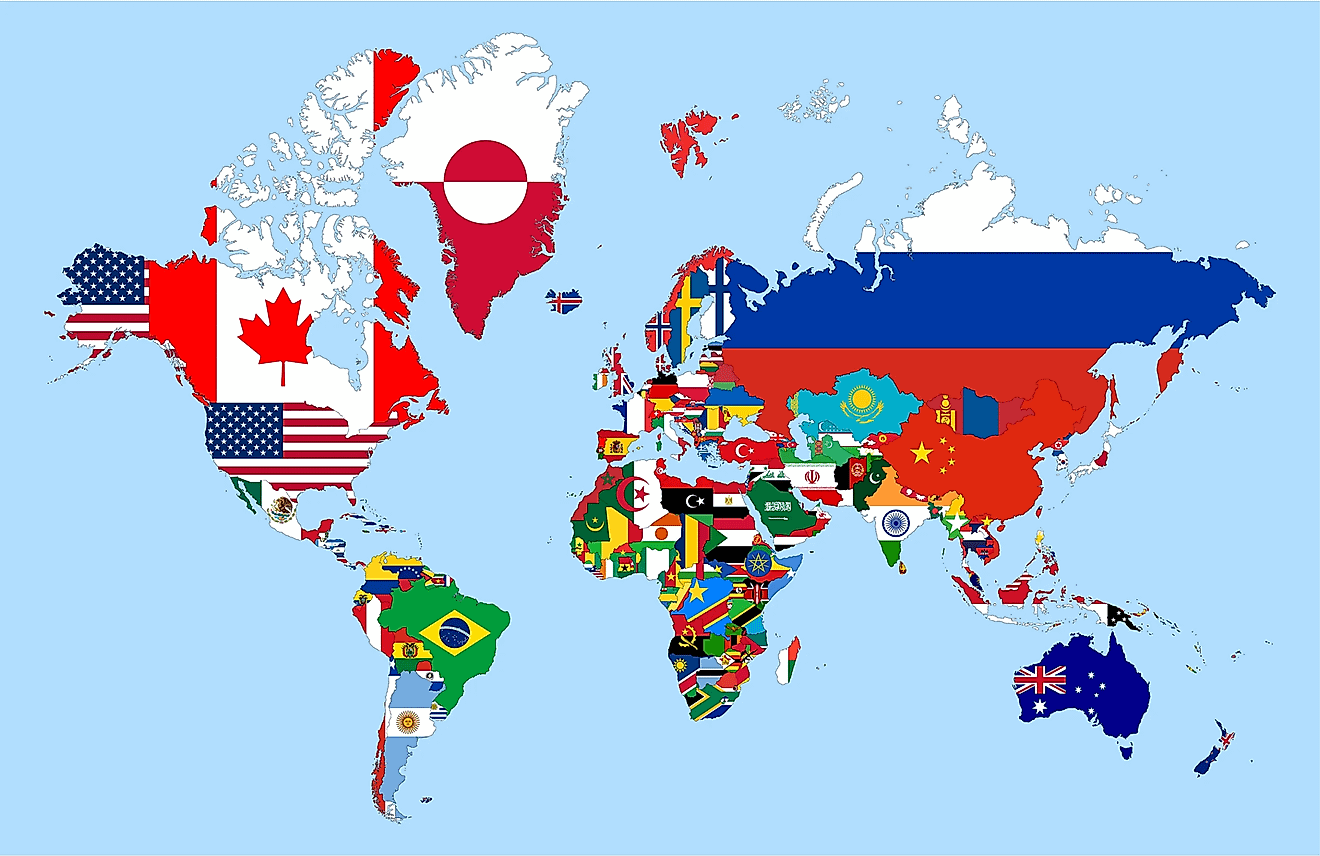
Understanding country codes is an exercise in both geography and history, as these codes encapsulate the complexities of international relations, cultural evolutions, and geopolitical changes. Among the myriad of codes that have shifted, the number 42 is a particularly intriguing case. Once a legitimate two-letter designator, 42 is no longer in active use, prompting one to ponder the significance of such a numerical designation and its subsequent retreat into obscurity.
Country codes, traditionally allocated by the International Organization for Standardization (ISO), serve as essential identifiers for countries, territories, and regions across the globe. The ISO 3166 standard, which governs these codes, employs a combination of letters and numbers to uniquely distinguish each geographic entity. These identifiers are employed for various purposes, including internet domains, vehicle registration plates, and international shipping documentation.
The specific query regarding the country code 42 directs attention towards its notional connection to Czechoslovakia. During the years of its existence as a unified nation, Czechoslovakia was assigned the ISO code 42. However, the peaceful dissolution of this nation in 1993 led to the creation of two independent states: the Czech Republic and Slovakia. Consequently, the country code 42 became obsolete and was replaced by the newly designated codes of CZ for the Czech Republic and SK for Slovakia.
The disappearance of a country code invites a deeper exploration into the reasons behind these changes. Historical transformations, such as the end of empires, the rise of nationalism, and the reconfiguration of political boundaries, play a pivotal role in the evolution of international identifiers. The dissolution of Czechoslovakia serves as a quintessential example of how political and cultural shifts can precipitate a drastic change in the landscape of country codes.
In examining why the code 42 remains a point of fascination, one must consider the broader implications of national identity and the role that codes play in representing a nation’s sovereignty. The codes are not merely numerical coordinates; they symbolize the birth and death of nations, encapsulating stories of triumph, strife, and the inherent fluidity of borders. Every country code carries with it a narrative that reflects the historical zeitgeist of its time.
Furthermore, the allure of the code 42 lies in the mystery of its legacy. Czechoslovakia, with its rich tapestry of culture, where Eastern and Western influences coalesced, continues to captivate historians and geographers alike. The nation produced a wealth of contributions to science, arts, and culture, yet its ultimate dissolution evokes sentiments of both nostalgia and curiosity. As such, the fascination with the code 42 is also a reflection of the human inclination to remember and recount the past through the lenses of what once was.
Another intriguing aspect to consider is the potential for misunderstanding and confusion surrounding country codes that cease to exist. In contemporary society, globalization continues to interweave the fates of nations, thereby creating complex interdependencies and relationships. The obsolescence of codes like 42 raises questions about recognition and legitimacy in an increasingly interconnected world. What does it mean for a nation to become unrecognizable, or, in the case of Czechoslovakia, to experience a bifurcation into two distinct identities?
This inquiry dovetails into the topic of how new codes emerge and how they are received both nationally and internationally. For instance, the transition from 42 to CZ and SK was not merely a bureaucratic process but a momentous event that carried the burden of new national narratives. Each subsequent code represents a renewed commitment by each separate state to affirm its identity, sovereignty, and participation in the global community.
In an age where the proliferation of information technology necessitates precise categorization, the ramifications of historical codes resonate with contemporary issues surrounding identity and governance. Even obsolescence of certain codes beckons attention; they serve as temporal markers that reveal how societies evolve and how nations reposition themselves on the global stage.
Moreover, it’s worth noting that the reverberations of the 42 code do not pertain solely to Czechoslovakia’s dissolution but extend to the territories that have since experienced similar transformations. Each instance where a nation splits, reunifies, or alters its name reflects a broader discourse on nationalism, self-determination, and the everlasting quest for identity. The sense of loss or transformation tied to a numerical designation often prompts those affected to reclaim their narrative through new identifiers, thus preserving the continuity of heritage.
In conclusion, the country code 42 serves as a perceptive lens through which to examine the transient nature of national identity and the historical impermanence of geopolitical entities. The inquiry into why certain codes vanish encapsulates much more than mere bureaucracy; it opens a dialogue surrounding the persistent quest for meaning within the narratives of countries. While 42 may not currently denote a recognized territory, its legacy continues to resonate within the minds of those who seek to understand the ebbs and flows of global identity in the ever-changing human saga. Through the lens of historical country codes, we illuminate the profound complexities of nationhood and the inexorable pull of the past in shaping our current landscape.

Leave a comment