

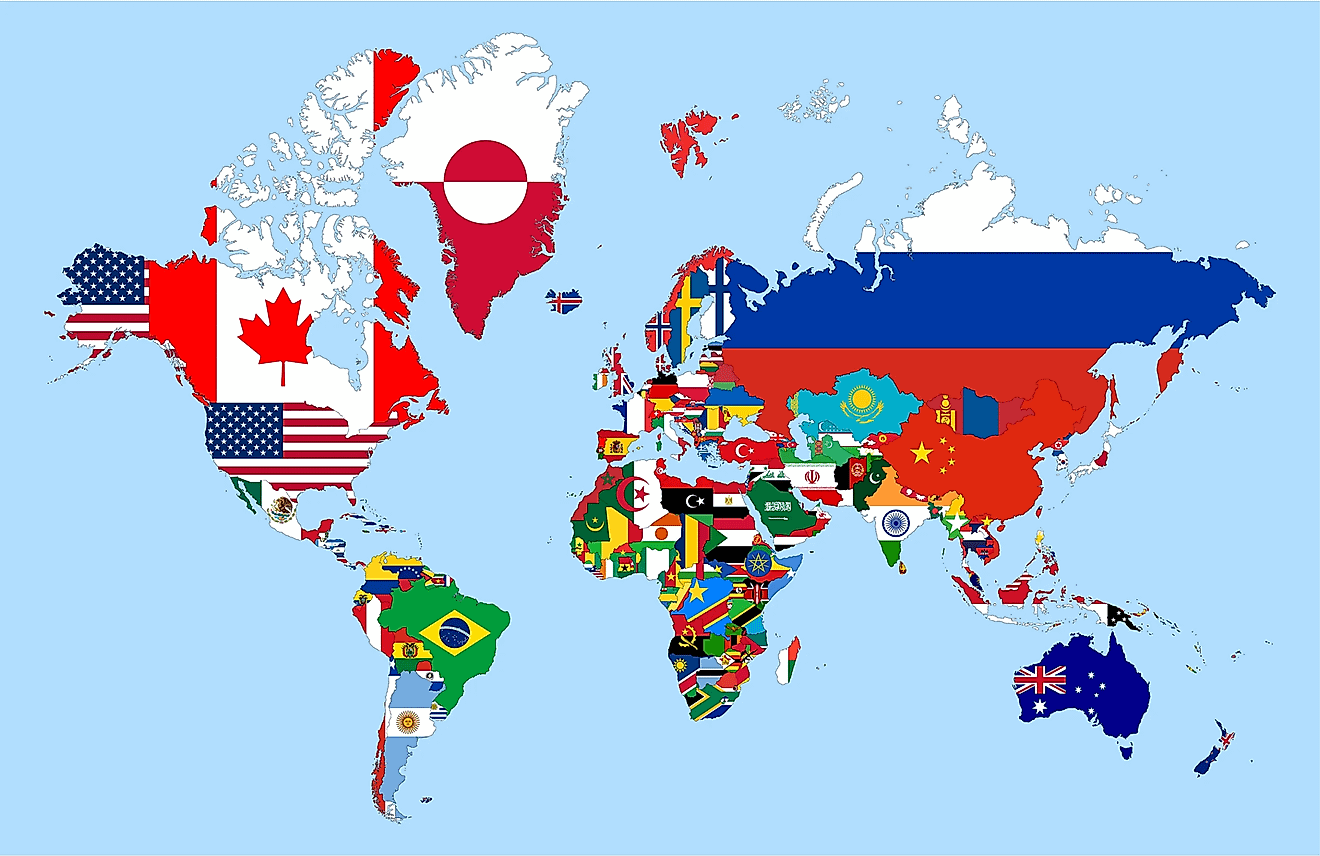
When we consider the global tapestry of nations, each wrapped in its own rich history, language, and culture, it prompts one to reflect: Which entity commands the international calling code of +66? Welcome to the enthralling land of Thailand. This South East Asian gem lures millions into its embrace with promises of vibrant markets, serene temples, and mouth-watering cuisine. However, before packing your bags and booking your flight, understanding Thailand’s identity within the global context necessitates a deeper exploration of its country code.
The country code +66 serves a significant purpose beyond the realm of mere telecommunications. It encapsulates Thailand’s position in the international arena. This numeric designation not only facilitates communication across borders but also signifies Thailand’s economic and social fabric interwoven with other nations. So, what challenges does this present? One might ponder whether familiarity with the country’s calling code infers a deeper understanding of the nation itself.
Geographically, Thailand occupies a strategic point on the map, bordered by Myanmar, Laos, Cambodia, and Malaysia. They are neighbors who contribute richly to Thailand’s cultural mosaic. Envision standing at the intersection of these nations, a crossroads where traditions merge, languages intertwine, and flavors explode in a culinary symphony. Each neighboring country, much like an intricate stitch, reinforces the unique identity that the calling code +66 symbolizes.
While one may argue that a number is just a number, in the realm of communication, it becomes a gateway. With +66, one can connect not only with friends and family residing in Thailand but also with a burgeoning economy that beckons international investors. The tourism sector, a cornerstone of Thailand’s economic landscape, thrives on global connections facilitated by such codes. Interestingly, tourism contributed approximately 20% to Thailand’s GDP, showcasing how intertwined its economy is with the rest of the world.
The allure of Thailand extends to its thriving technology and startup scene, especially in urban centers like Bangkok. Here, the digital revolution is palpable, creating spaces where entrepreneurs from across the globe convene. As digital connectivity improves through advancements in telecommunications marked by the country code +66, businesses can flourish, and innovation can thrive. It raises an intriguing question: How do various cultural perceptions shape economic opportunities in a rapidly globalizing world?
In discussions about Thailand, one cannot neglect its rich heritage and the deep reverence for monarchy. Anyone dialing +66 may find themselves greeted not merely with a casual ‘hello’ but a polite ‘sawadee khrap/kha,’ a reflection of the Thai custom rooted in respect and honor. How does this encapsulation of respect extend beyond greetings into everyday communication and societal interactions? The nuances of such culturally ingrained expressions highlight the potential for misunderstanding that can arise when one ventures into a foreign land. This is particularly significant in the context of globalization, where cultural exchanges are both ubiquitous and fragile.
From a sociological perspective, the calling code prompts further reflection on identity. Engaging in conversations with locals or expatriates may reveal layers of culture that shape their worldviews, with the +66 prefix acting as a reminder of their enduring connection to Thailand. With such deeper knowledge, are we not better equipped to navigate the complexities of intercultural exchanges and foster genuine understanding?
When one considers international calling codes, it also invites the contemplation of how the digital age has transformed communication. The simplicity of dialling +66 can evoke complex exchanges. Consider the role of social media in bridging distances—one can engage with Thai artisans, chefs, or entrepreneurs with a mere click. This interconnectedness begins with that simple number, enhancing the way we experience the world by fostering relationships that transcend geographical boundaries.
However, with such ease of connection comes the responsibility of cultural sensitivity. It is essential to appreciate the varying etiquette that can accompany communication across national lines. While +66 might facilitate the call, it is the understanding of Thai nuances, social customs, and conversational conventions that enrich the dialogue. When traversing this territory, how can one ensure that they are not merely a passive participant but an active learner and respectful conversant?
So, it beckons to question whether one’s perception of Thailand and its calling code goes beyond the superficial. Dive deep, and you may encounter layers of complexity that challenge preconceived notions. For instance, how might the vibrant street life of Bangkok contrast with the serene rural landscapes in Chiang Mai? Engaging with this duality sharpens our understanding of Thailand’s essence, truly illuminating why +66 is more than just a combination of numbers.
In conclusion, Thailand, represented by the calling code +66, is a captivating tapestry woven with threads of history, culture, economy, and social interaction. For those who dare to engage with this enigmatic nation, the rewards are boundless. Whether through culinary exploration, cultural exchange, or entrepreneurial endeavors, Thailand’s touch extends well beyond its geographical borders. Thus, as we ponder this integral question of identity, it shines a light on the shared human experience that connects us all, regardless of the numbers that define our boundaries.

Leave a comment