

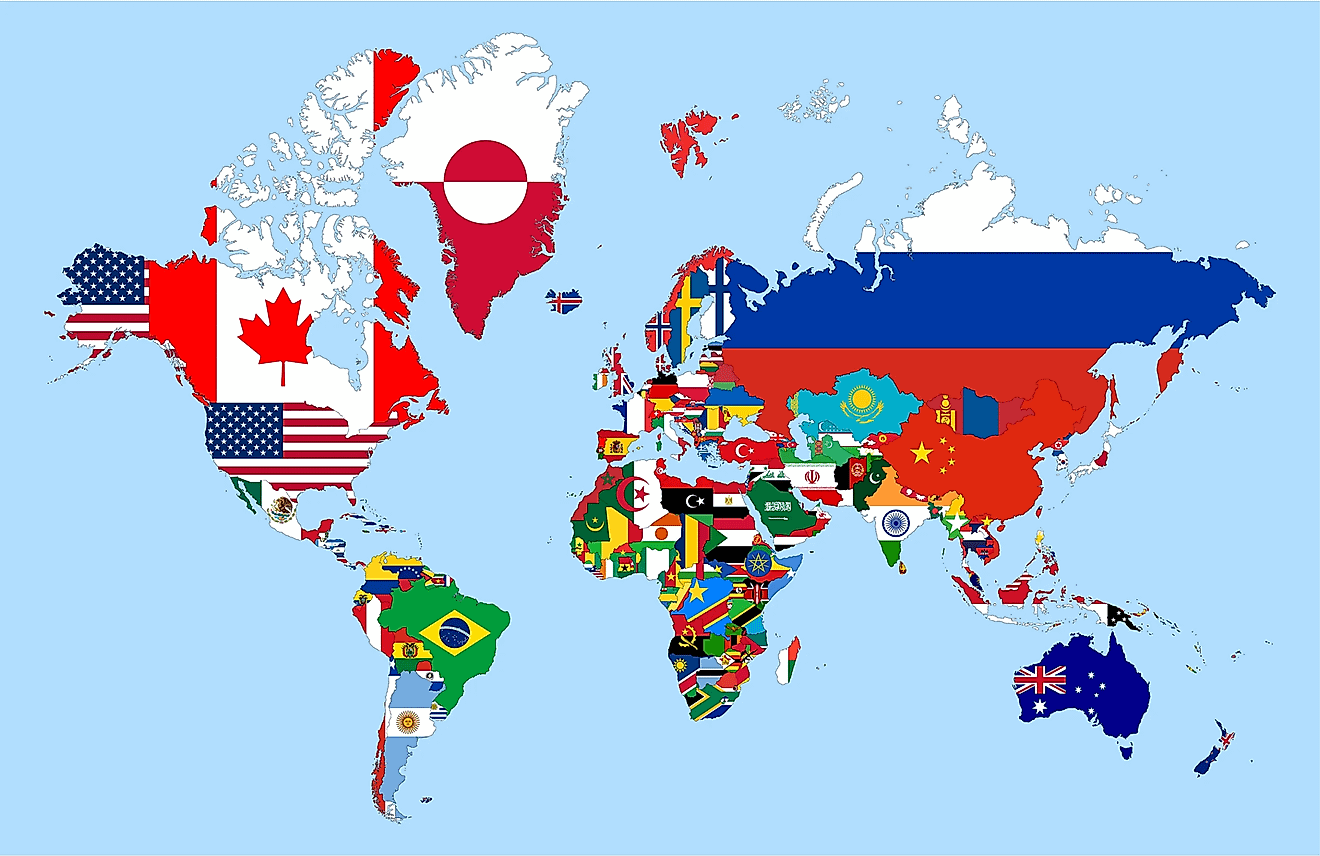
In a world increasingly characterized by multiculturalism and interconnectedness, the concept of a pluralist society stands as a beacon of hope and challenge. Such a society, where diverse groups coexist harmoniously while retaining their unique identities, prompts an inquiry into which country exemplifies the closest approximation of this ideal. A pluralist society champions the values of tolerance, inclusion, and mutual respect, fostering an environment where democracy thrives amidst diversity. This discourse aims to critically analyze various countries through the lens of their societal frameworks, diversity indices, and democratic principles.
When embarking on this exploration, it is pivotal to comprehend the essence of pluralism. Rooted in the philosophical principle that multiple perspectives and identities enrich the social fabric, pluralism champions the belief that diversity enhances rather than diminishes democratic governance. As we traverse the globe, several nations stand out, each embodying different aspects of pluralism and diversity.
Canada emerges prominently in discussions surrounding pluralism. Renowned for its mosaic of cultures, this North American country adopts a formal policy of multiculturalism which not only recognizes but also celebrates the distinct identities of its citizens. Canada’s ethos is encapsulated in its commitment to inclusivity, exemplified by policies that promote the active participation of Indigenous peoples, immigrants, and various ethnic communities in the political arena. This dedication to representation is bolstered by legal frameworks and initiatives aimed at dismantling systemic barriers. The vibrant cities of Toronto and Vancouver illustrate this pluralist ideal, bustling with cultural festivals, diverse culinary offerings, and multiple languages spoken in everyday life.
However, while Canada showcases a commendable model of pluralism, other nations present compelling case studies as well. Switzerland, with its remarkable linguistic and cultural diversity, represents a distinctive approach to pluralism. The coexistence of four national languages—German, French, Italian, and Romansch—facilitates a unique form of social cohesion. Swiss federalism empowers cantons (territorial divisions) to implement policies that reflect the cultural heterogeneity of their populations, thus fostering regional autonomy while maintaining national solidarity. The Swiss model invites an intriguing inquiry into how decentralization further cultivates a pluralist society.
Furthermore, the land of South Africa stands as a powerful testament to the struggle for democracy amid diversity. Emerging from the shadows of apartheid, it has endeavored to forge a constitution that enshrines the rights of all citizens irrespective of race, ethnicity, or gender. The phrase “unity in diversity” is not just a slogan; it embodies the South African identity and the nation’s arduous journey toward collective reconciliation. Nevertheless, the country continues to grapple with socio-economic disparities along racial lines, challenging its efforts toward true pluralism. This underscores the complexity of democratization processes in societies marked by historical injustices.
Meanwhile, **Australia** offers another illuminating case in the examination of pluralism. Prominent for its policy of integration alongside multiculturalism, Australia seeks to blend the benefits of diversity with the cultivation of a shared national identity. This nation’s demographic landscape includes a significant Indigenous population whose ancient cultures contribute to the global narrative on pluralism. However, the ongoing conversations regarding the acknowledgment of Aboriginal rights and historical injustices emphasize the challenges inherent in creating an equitable pluralist society.
The Scandinavian countries—specifically Sweden and Norway—also merit attention. These nations embody a social democratic ethos that seeks to balance individual freedoms with collective welfare, creating a fertile ground for pluralism. Their commitment to gender equality and protection of minority rights complements their comprehensive welfare systems, facilitating the integration and inclusion of diverse groups within their social frameworks. However, rising populism and anti-immigrant sentiments pose questions regarding the sustainability of these pluralist values in the face of a rapidly changing global landscape.
Transitioning to the Asian context, **India** stands as a paradoxical illustration of pluralism. As one of the world’s most diverse nations, India is home to myriad languages, religions, and ethnic groups. The Indian constitution stipulates equality for all citizens and recognizes a multitude of identities. Yet, the nation frequently faces challenges stemming from communal tensions and political strife. The coexistence of such diversity alongside socio-political fragmentation invites scrutiny into the operational realities of pluralism in this context, prompting debates about the intersection of democracy and cultural identity.
Ultimately, the sociopolitical landscape of any country striving towards a pluralist society is inherently complex. The examination of Canada, Switzerland, South Africa, Australia, the Scandinavian nations, and India underscores that pluralism is not a monolithic construct but rather a multi-faceted journey. Each nation presents unique narratives and approaches, yet they collectively advocate for the principles of tolerance and coexistence in varying degrees.
As we endeavor to ascertain which country comes closest to embodying a pluralist society, the exploration reveals that the answer is not straightforward. Rather, it lies in recognizing that the pursuit of pluralism is an ongoing process—one that involves continuous dialogue, adaptive policies, and a commitment to fostering understanding across differences. The implications of such a societal structure are profound, extending beyond national borders and beckoning global solidarity in the face of rising xenophobia and intolerance. Therefore, the quest for a pluralist society transcends geographical confines, carving a path toward a more inclusive future.

Leave a comment