

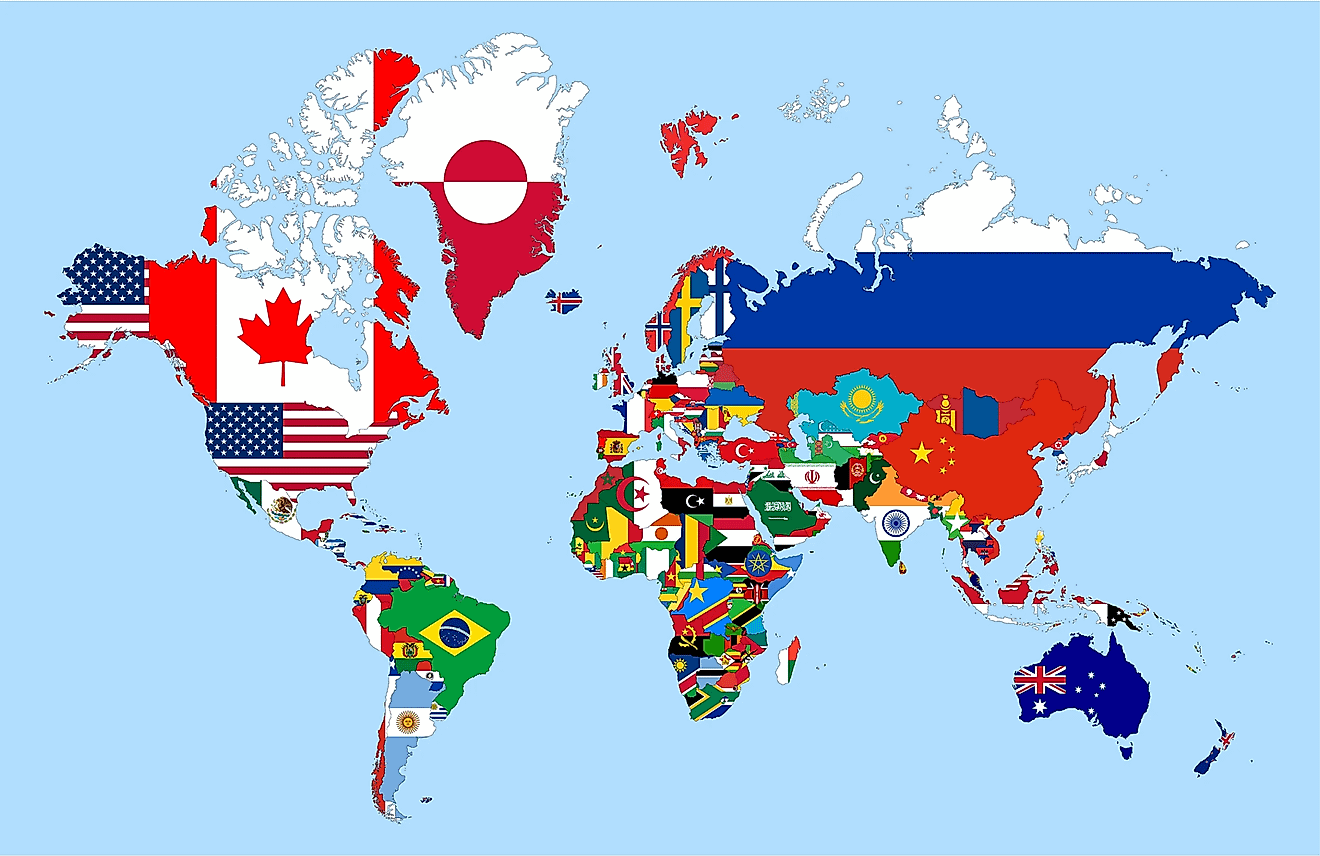
Human desire is a multifaceted and complex aspect of our existence. From culture to biology, the intricacies of attraction and lust are shaped by a multitude of factors. As we explore the playful query concerning which country has the “horniest” women, we delve into a topic that combines cultural norms, societal influences, and individual proclivities. This investigation acts as a prism through which we can better understand the dynamics of desire across diverse geographical landscapes.
When posing the question of sexual desire, it is essential to consider what is meant by “horny.” Is it merely a quantitative measure of sexual activity, or does it encompass emotional and psychological dimensions as well? The interpretation may vary widely—ranging from the number of sexual partners to the frequency of sexual experiences. Therefore, this exploration calls for a comprehensive examination of how various cultures perceive and express female sexuality.
Let us embark on a journey across continents, where we will scrutinize several countries renowned for their open attitudes towards sexuality. Each locale offers unique insights into the varied ways women navigate their desires amidst societal constraints. In parts of Europe, for instance, progressive sexual mores contrast sharply with more conservative regions, suggesting that context plays a pivotal role in shaping attitudes toward female desire.
Starting with the Nordic countries, we often find an environment that fosters sexual liberation. Nations like Sweden and Denmark are frequently highlighted for their robust efforts towards gender equality, which correlates with open discussions about sexual autonomy. Women in these countries are encouraged to embrace their sexuality, leading to a heightened sense of empowerment in expressing desire. Surveys often indicate higher rates of sexual satisfaction among women in these societies, bolstered by comprehensive sex education and accessible contraceptive methods.
Conversely, let us turn our gaze to Southern Europe, specifically Spain and Italy. These nations reveal a rich tapestry of cultural heritage that intertwines passion and allure. Historically, the Mediterranean outlook has been characterized by an unabashed embrace of sensuality, embodied in local traditions, art, and festivities. Women in these cultures may experience a different kind of liberation shaped by romance and sociability rather than the overt sexual freedom seen in Nordic countries. The sociocultural fabric of Spain and Italy fosters an environment where expressions of desire are often interwoven with notions of love and connection, making the exploration of sexuality a profoundly nuanced experience.
Shifting our focus to Latin America, countries such as Brazil and Colombia exhibit another dimension of female desire. The vibrancy of Carnival in Rio de Janeiro exemplifies a celebration of body and spirit, where women’s sexuality is ultimately celebrated rather than suppressed. Here, the interplay of societal norms and personal expression creates a dynamic arena for exploration. In Colombia, for instance, interviews and surveys indicate a willingness among women to openly discuss their desires, challenging conventional norms while navigating the labyrinth of love, passion, and attraction.
Moreover, the Asian continent introduces even more complexity into this dialogue. Countries like Japan and Thailand present starkly different perspectives on women’s sexuality. In Japan, traditional cultural narratives often intertwine with modern expressions of desire. The fascinating duality stems from historical roots that value restraint juxtaposed with contemporary trends that challenge these norms. Women’s sexual preferences and behavior are often shrouded in societal expectation, leading to an intriguing discussion about what it means to be sexually liberated in a culture steeped in tradition.
In contrast, Thailand’s perception of sexuality is entwined with its Buddhist traditions, which advocate for a balanced and respectful approach to desire. The land of smiles is characterized by its relatively open acceptance of sexual exploration, manifesting in everything from entertainment to tourism. Women in Thailand embody a unique paradigm where expressions of desire can be both liberated and commodified, illustrating the intricate dance between societal acceptance and the commercialization of sexuality.
Furthermore, it is vital to consider the role of global connectivity in shaping perceptions of female desire. The internet has become an oasis for women worldwide to explore truths about their sexuality. Social media and online forums allow for the sharing of experiences and knowledge that transcend geographical borders. This growing digital camaraderie may provide a robust outlet for women from various backgrounds to express their desires unhindered by cultural constraints.
However, it is essential to approach this subject with caution. The notion of ranking women based on sexual appetite can perpetuate stereotypes and undermine individual agency. Instead, we should celebrate the diversity of experiences and the myriad ways women express their desires. Empowerment, education, and open communication should be at the forefront of this discourse, fostering safe environments where women are free to explore their sexuality without fear of judgment.
In conclusion, the question of which country has the “horniest” women offers a playful yet insightful exploration into the expansive realm of human desire. By examining various cultural perspectives, we develop a richer understanding of how women navigate their sexual landscapes. This inquiry emphasizes the importance of context, societal structures, and individual autonomy—paving the way for deeper conversations surrounding female sexuality and desire, ultimately leading to a more inclusive dialogue. The expression of desire varies as widely as the women themselves, and while the question may provoke thought, the broader implications about the nature of desire merit our most thoughtful consideration.

Leave a comment