

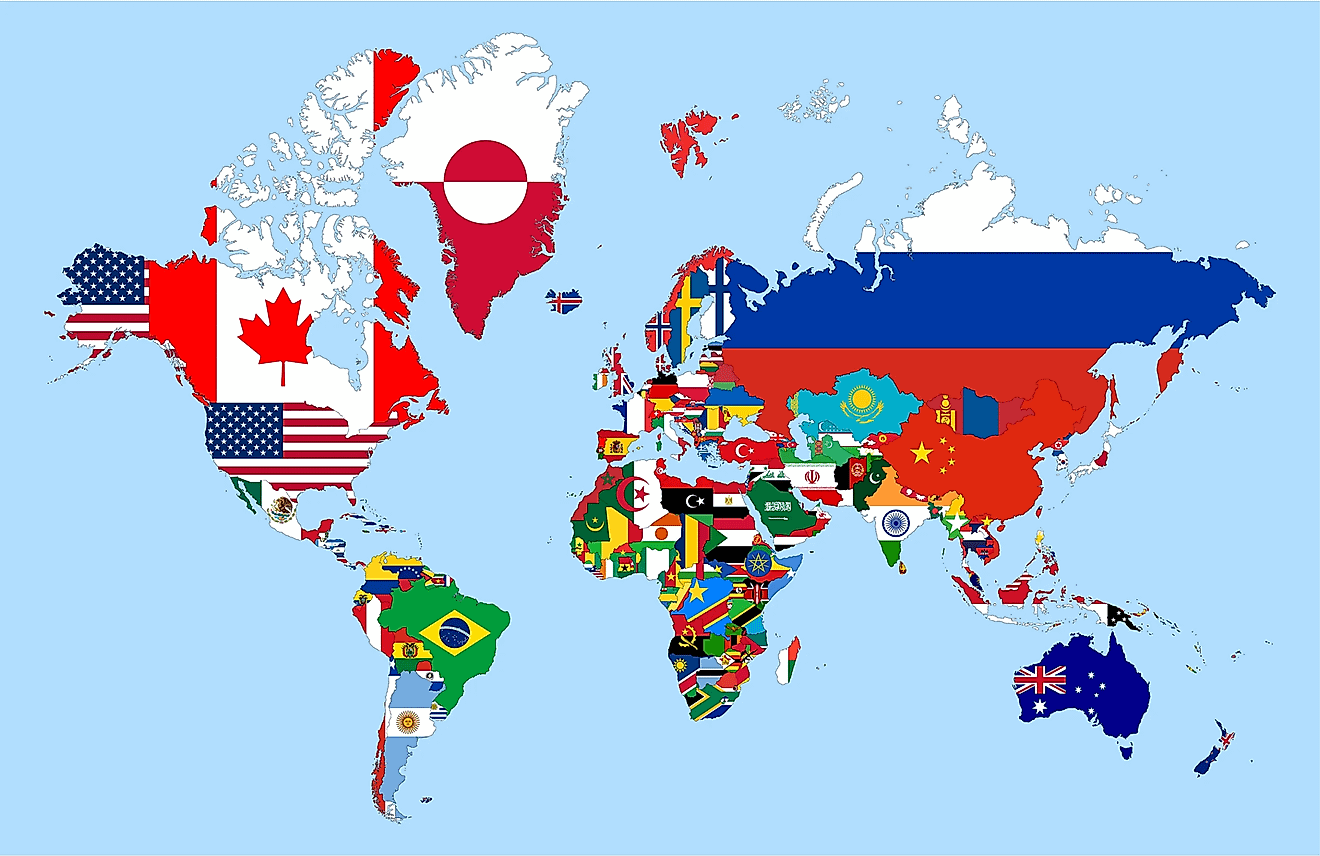
The concept of population density is a fundamental metric that reveals much about the intricate relationship between land and its inhabitants. Often, when one reflects on population density, thoughts gravitate toward the crowded metropolises or regions where the population is perceived to be overwhelming. However, a mathematical examination illuminates a different reality. Among the tapestry of nations, there exists one that stands out due to its remarkably low arithmetic population density. This exploration endeavors to peel back the layers of geographical expanse, revealing insights that may astound the reader and provoke a reevaluation of density and its implications.
To embark on this analytical journey, it is paramount to define arithmetic population density. This statistic is computed by dividing the total population of a country by its land area, typically expressed in persons per square kilometer or square mile. While this figure might seem deceptively simple, it encapsulates a multitude of social, economic, and environmental dynamics that shape human life.
Delving into the data, one country emerges as a paragon of low arithmetic population density: Mongolia. With an impressive landmass stretching over 1.56 million square kilometers, juxtaposed with a population that hovers around 3.3 million, the result is a staggering low density of approximately 2.1 persons per square kilometer. This resonates on a profound level, creating a fertile ground for discussion surrounding the implications of such a sparse population.
The unique geographical features of Mongolia contribute significantly to its low density. Encompassing vast steppes, deserts, and mountainous terrain, the national landscape is not one that invites concentrated human settlement. Instead, it is characterized by nomadic pastoralism, where herders traverse extensive pastures with their livestock, thereby maintaining a lifestyle that is responsive to the unforgiving climatic conditions. The culture of mobility in Mongolia highlights an intriguing aspect of low population density: it fosters a close connection between people and their environment.
However, the discussion does not merely end with the arithmetic figures. An examination of the socio-economic elements that underpin such low population density unveils a more nuanced narrative. Economic activities in Mongolia are predominantly centered around agriculture and mining. The proclivity for large landholdings dictates agricultural practices, necessitating extensive land areas for each agricultural undertaking. This results in areas that are largely uninhabited, as farmers are dispersed across the geographical expanse, leading to minimal population clustering.
Complementing this exploration is the demographic composition of Mongolia. The population distribution is uneven, with the capital city, Ulaanbaatar, housing approximately 45% of the total population. The urban-rural dichotomy accentuates the contrast between densely populated urban environments and the sparsely populated rural regions. This phenomenon invites a paradoxical contemplation: while urban areas burgeon with activity and economic opportunity, the vastness surrounding these centers remains hauntingly empty, waiting for sustainable development and infrastructural advancements.
Moreover, as one considers the implications of low arithmetic population density, intriguing environmental considerations arise. The low density reduces the pressure on natural resources, providing an opportunity for sustainable practices to flourish. However, it also presents challenges regarding service provision, infrastructure, and public health. The relatively small population may yield insufficient funding to maintain roads, hospitals, and educational institutions in rural areas, ultimately perpetuating the cycle of isolation and underdevelopment.
This isolation is further exemplified when reflecting upon the political and social fabric of Mongolia. The vast distances between settlements can lead to a sense of disconnection and limit the efficacy of governance and public services. Rural populations may often feel alienated from political processes, leading to underrepresentation and fostering societal discord. This prompts the daunting question: can low density coexist with robust governance and equitable resource distribution?
As the discourse unfolds, an understanding of different approaches to population management emerges. Nations worldwide grapple with the conundrum of overpopulation, congestion, and urban sprawl, while Mongolia offers a counter-narrative. Could this unique approach be a template for evaluation? Could regions burdened by high density glean insights from Mongolia’s experience? This line of thought encourages exploration into urban planning, resource allocation, and community engagement in densely populated nations.
In contemplating the question, “Which country has the lowest arithmetic population density,” it is impossible to ignore the broader implications inherent in this statistic. While Mongolia may boast the lowest density, the interconnections between geography, culture, economics, and governance provoke a deeper inquiry into the essence of human habitation. What is the significance of a low population density? Is it inherently good or bad? It challenges preconceived notions that density inherently equals vibrancy and opportunity.
In conclusion, the examination of Mongolia’s unique position in global population density invites a shift in perspective, urging critical reflections on the intricacies of land and human companionship. The arithmetic calculations yield a profound understanding of how numbers narrate stories—of resilience, cultural adaptations, and socio-economic paradigms. Exploring these dimensions not only enriches our knowledge but also piques curiosity about the myriad ways societies can thrive, regardless of their density. As our world becomes increasingly interconnected, the insights derived from such an analysis can resonate far beyond Mongolia’s vast steppes, prompting a reevaluation of how we relate to the spaces we inhabit.

Leave a comment