

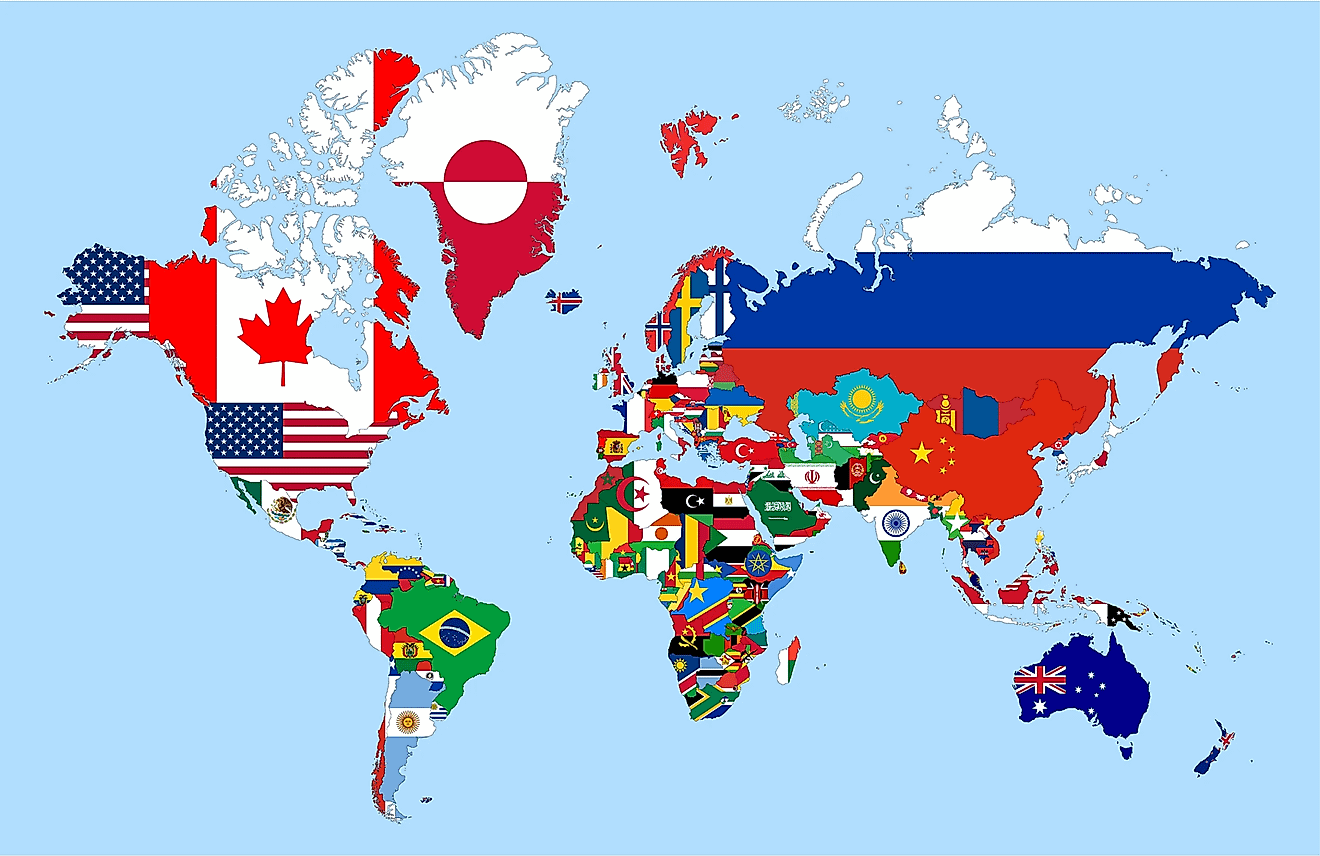
The world of gastronomy is akin to a vibrant tapestry, where each country weaves its individual narrative through flavors, techniques, and traditions. Within this culinary cosmos, a particular emblem of prestige exists—an accolade that transcends palates and rouses the intrigue of epicureans worldwide: the Michelin star. To delve into the question of which country boasts the most 3-Star Michelin restaurants is to embark on a journey through culinary excellence, a quest for the pinnacle of gastronomic artistry. The culinary crown, adorned with stars, glimmers brightest where culinary innovation meets unyielding dedication.
At the heart of this culinary reverence lies a rather exalted gastronomic institution—the Michelin Guide. Originating from France, this esteemed guidebook offers a hierarchical rating of fine dining establishments. A 3-Star Michelin rating is the pinnacle of dining, signifying unparalleled quality and an experience that transcends mere sustenance. In this exploration, our focus is directed toward unveiling the nation that reigns supreme in this prestigious arena.
Upon examining the gastronomic landscape, one finds that the answer to our query is intricately intertwined with the culinary heart of France. This nation not only birthed the Michelin Guide but has, over the years, become the unsurpassed champion of 3-Star Michelin restaurants. France, a veritable coliseum of culinary prowess, has established itself as a metaphorical bastion of fine dining.
France’s dominance in the realm of Michelin stars can be likened to a masterful symphony, each restaurant contributing its unique notes to a grand overture of flavors. Cities such as Paris, Lyon, and Provence serve as the composer’s parchment, on which chefs inscribe their gastronomic poetry. The vibrant heart of Paris pulsates with exquisite establishments, where culinary artisans like Alain Ducasse and Pierre Gagnaire have sculpted their reputations, crafting masterpieces that tantalize the senses.
The allure of French cuisine lies not solely in its history and tradition but also in its remarkable evolution. As a chameleon adapts to its environment, French culinary practices have absorbed various global influences while retaining their distinctive flair. The introduction of concepts such as molecular gastronomy and sustainability further illustrates the adaptability of this storied cuisine; it evolves while paying homage to its illustrious roots.
Moreover, the essence of dining as an experience—rather than mere consumption—reverberates through French establishments with resounding clarity. The ambience, the presentation, and the orchestration of flavors all collaborate to create an unforgettable experience. A 3-Star Michelin meal, in the French tradition, transforms into a multisensory journey, where each dish illuminates the intersection of artistry and technique.
However, the Michelin landscape is not static. In recent years, nations such as Japan have emerged as formidable contenders, competing fiercely within the gastronomic arena. Japanese cuisine is steeped in meticulous craftsmanship, reverence for ingredients, and an aesthetic philosophy that elevates dining into an art form. Cities like Tokyo, renowned for harboring the most Michelin-starred restaurants in the world, have seen a rising number of establishments achieving the coveted 3-Star rank. Tokyo’s culinary narrative unfolds like an intricate origami, where every fold and crease signifies dedication and precision.
In juxtaposing France and Japan, one recognizes the magnetic appeal each possesses, yet France retains the lead in sheer volume of 3-Star Michelin establishments, a culinary Hauteur that defines its standing. What sets France apart is not only the quantity of Michelin stars but also the depth of heritage and cultural significance embedded in its cuisine. The narrative of French gastronomy is infused with centuries of passionate craftsmanship, each dish a reflection of its regional character and history.
As we traverse the global gastronomic landscape, it becomes evident that the journey extends beyond the stars themselves. The power of these culinary titans lies in their ability to inspire future chefs and food enthusiasts. The lineage of culinary excellence, like an ancient scroll, is unfurled in kitchens around the world, igniting a passion for excellence, innovation, and creativity. Indeed, the influence of 3-Star establishments extends into the realm of culinary education, inspiring the next generation of gastronomic artists to persevere in the pursuit of perfection.
While France, with its rich tapestry of culinary traditions, continues to reign as the bastion of 3-Star Michelin restaurants, it is essential to recognize the interplay of global culinary practices. Each country contributes its own flavor to the culinary crown, creating a rich tapestry of gastronomic excellence that transcends borders. The pursuit of culinary mastery knows no geographical limitations, as emerging culinary hotspots begin to carve their own niches in the Michelin spotlight.
In conclusion, the pursuit of which country claims the most 3-Star Michelin restaurants serves not only as an exercise in gastronomic exploration but also as a celebration of culinary artistry on a broader scale. France remains the golden chalice, brimming with culinary treasures, where the titans of gastronomy craft not merely dishes, but experiences that linger in the minds of diners long after the last bite has been savored. The culinary crown time-honored and glimmering, continues to beckon culinary visionaries, illuminating the path toward gastronomic excellence that transcends time and geography.

Leave a comment