

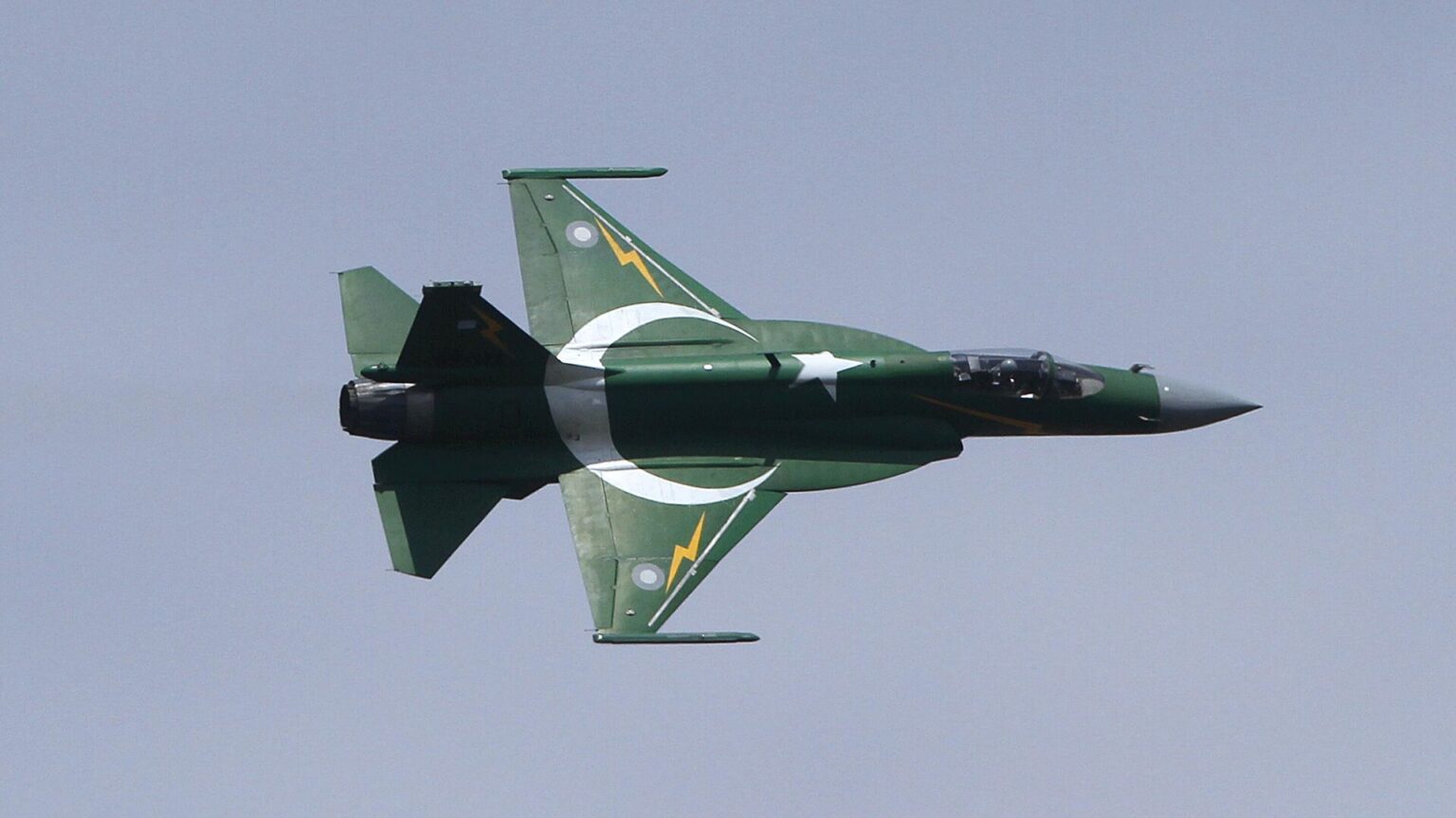
In an era where aerial supremacy has become increasingly paramount, the question of which country possesses the strongest air force elicits profound contemplation. The world’s geopolitical landscape continuously shifts, driven by technological advancements, strategic alliances, and military doctrines. This discourse delves into an exhilarating examination of the leading contenders in global air power, analyzing various metrics that contribute to aerial dominance.
When assessing air force strength, a multitude of factors must be taken into account. These include the quantity and quality of aircraft, technological innovations, strategic capabilities, logistical infrastructures, historical performance, and current investments in advanced aviation technology. The interplay of these elements often dictates not only a nation’s military efficacy but also its ability to project power internationally.
The United States Air Force (USAF) frequently emerges at the forefront of discussions surrounding aerial might. Employing an extensive fleet exceeding 5,000 aircraft, the USAF boasts an impressive array of capabilities, including stealth technology, advanced avionics, and superior missile systems. Iconic platforms such as the F-22 Raptor and the F-35 Lightning II represent the zenith of fifth-generation fighter design, enabling the USAF to maintain air superiority against any potential adversary.
Moreover, the United States invests heavily in research and development initiatives to ensure continued dominance. These endeavors include advancements in drone technology, cyber warfare capabilities, and hypersonic weaponry. The emphasis on unmanned aerial vehicles (UAVs) further enhances the strategic options available to US military planners, facilitating operations in contested environments without exposing pilots to immediate danger.
Nevertheless, as the world evolves, so too does the landscape of air power. Russia, with its storied history of military aviation, remains a formidable contender. The Russian Air Force operates a diverse fleet, featuring the Su-57 stealth fighter and the formidable Su-35 multirole fighter. These aircraft epitomize the country’s commitment to maintaining a robust aerial arsenal capable of executing complex missions across various theaters of operation.
Furthermore, Russia’s strategic approach to air power involves extensive integration of ground-based air defense systems, which serve to create a multilayered defensive umbrella, complicating the operational calculus for adversaries. The S-400 and S-500 systems, for instance, embody cutting-edge technologies capable of engaging various aerial threats, from cruise missiles to advanced stealth aircraft.
Transitioning from Eurasia to Asia, China emerges as a rising power in the realm of military aviation. The People’s Liberation Army Air Force (PLAAF) is rapidly modernizing, leveraging significant investments to expand and enhance its capabilities. The Chinese introduction of the Chengdu J-20 stealth fighter signifies a concerted effort to challenge the conventional air dominance of the United States.
Moreover, China’s advancements in drone technology, exemplified by the Wing Loong series, accentuate its capabilities in surveillance, reconnaissance, and precision strike operations. As geopolitical tensions in the Asia-Pacific region intensify, China’s air force continues to adapt, integrating cutting-edge technologies with a focus on regional territorial integrity.
India, with its own ambitions of establishing a preeminent air force, deserves mention in this examination. The Indian Air Force (IAF) has made significant strides in recent years, featuring a mixed fleet that encompasses indigenous designs such as the HAL Tejas and acquired platforms like the Rafale. This combination illustrates India’s dual focus on both self-reliance and technological acquisition.
The IAF has also invested in reinforcing its strategic bombing capabilities and intelligence, surveillance, and reconnaissance (ISR) assets. These advancements are critical in the context of India’s unique security challenges, particularly concerning its northern neighbor, China, and the persistent tensions with Pakistan.
In the Middle East, Israel stands out as a nation whose air force commands exceptional respect and consideration. The Israeli Air Force (IAF) is lauded for its operational efficiency, innovation, and relentless adaptability. The integration of sophisticated aerial combat tactics, coupled with advanced systems like the F-35, underscores Israel’s commitment to maintaining a qualitative edge amidst a volatile regional landscape.
Historically, Israel has taken a proactive approach to air defense, exemplified by its Iron Dome system, which intercepts and neutralizes incoming threats. This successful model not only solidifies its defense posture but also influences the global conversation regarding missile defense strategies.
While these nations represent the upper echelon of global air power, several others are making notable advancements. Nations such as France, the United Kingdom, and even emerging powers like Turkey and Brazil are all investing in modernizing their air forces and redefining their military strategies. This proliferation serves to heighten the competition and complexity of air power dynamics.
In conclusion, the question of which country boasts the strongest air force is not easily resolved. As nations engage in an ongoing quest for superiority, the metrics for evaluating air power will continue to evolve. The interplay of technology, strategy, and international relations complicates the landscape, and while the United States currently leads the pack, other countries are not far behind. Each nation applies its unique approach to aerial warfare, promising a future where aerial dominance is a multifaceted and ever-changing panorama. Global skies remain both a battlefield and a testament to human ingenuity and ambition, requiring constant vigilance and adaptation from all players involved.

Leave a comment