

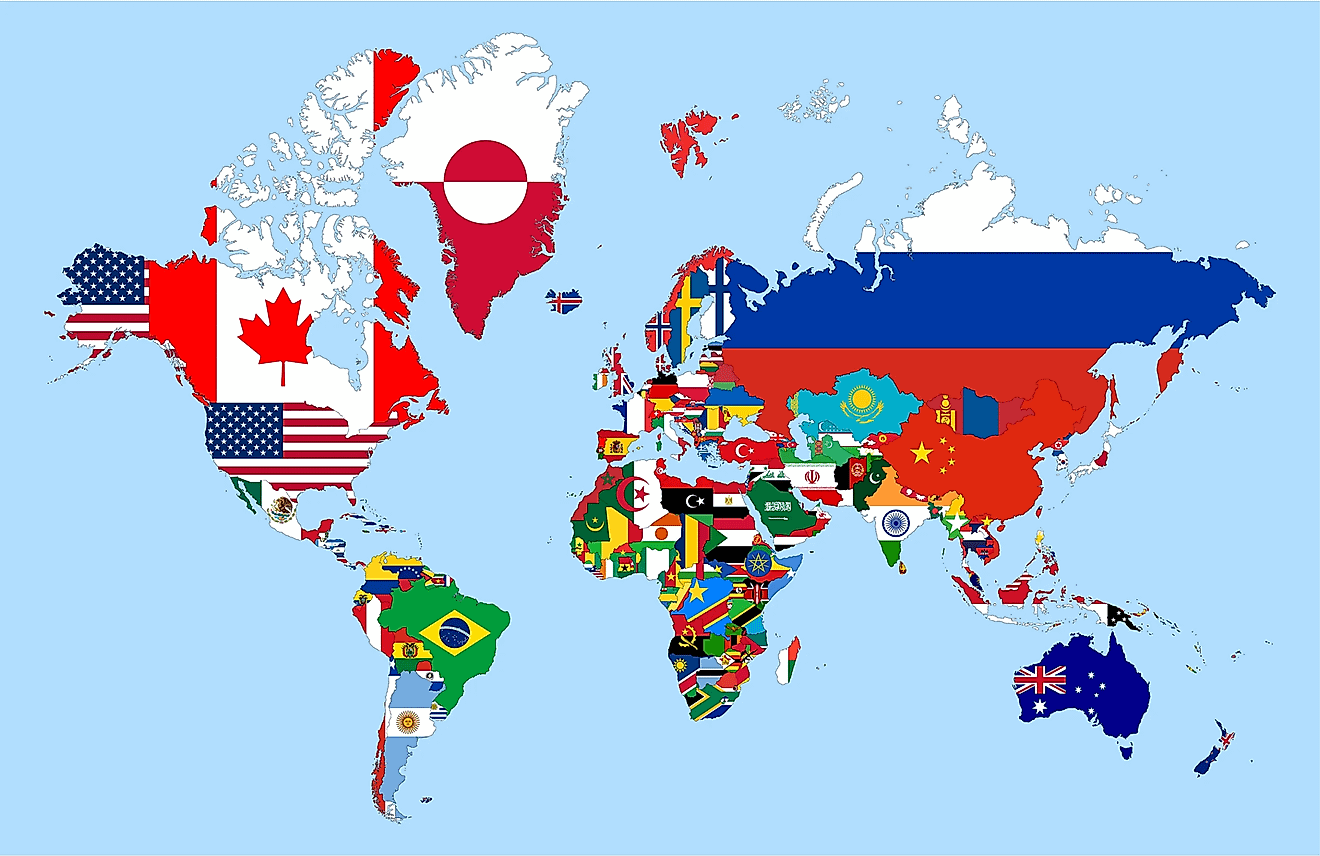
Understanding international phone codes is essential for navigating the world of telecommunication. Among these codes lies the international dialing code +966, which signifies calls to Saudi Arabia. This article aims to elucidate the significance of this particular country code, explore the historical and geographical context, and provide practical guidelines for tracing calls originating from Saudi Arabia.
To begin with, it is vital to comprehend the structure and functions of international calling codes. The International Telecommunication Union (ITU) designates these codes, which serve as a vital link in facilitating communication across borders. The country code +966 specifically indicates that a call is being routed to Saudi Arabia, a nation known for its rich cultural heritage and strategic geopolitical significance.
Saudi Arabia, officially known as the Kingdom of Saudi Arabia (KSA), is situated on the Arabian Peninsula. It is bounded by Jordan to the northwest, Iraq to the north, Kuwait to the northeast, Qatar, Bahrain, and the United Arab Emirates to the east, Oman to the southeast, and Yemen to the south, with the Red Sea lying to the west. The nation plays a pivotal role economically due to its substantial oil reserves and its position as a cornerstone of Islamic pilgrimage, given the cities of Mecca and Medina.
Phone calls to and from Saudi Arabia operate under a certain protocol. Dialing internationally requires the caller to be cognizant of the format: the caller must input 00 or +, followed by the country code 966, and then the local number. For instance, dialing a number in Riyadh would follow the pattern: +966 1 XXX XXXX, where 1 represents the area code for Riyadh.
Tracing calls that originate from Saudi Arabia can be complex due to various factors. First and foremost, the telecommunications infrastructure in Saudi Arabia is advanced, with both landline and mobile networks operated by several prominent companies. These include STC (Saudi Telecom Company), Mobily, and Zain. While such technological advancements facilitate easy communication, they also pose challenges in tracing calls accurately.
When attempting to trace a call, several approaches can be adopted. The first step involves identifying the number calling you. This will allow for basic research, such as viewing the number through a reverse lookup service. These services can reveal the origin of the number, identifying if it is a landline or mobile, as well as the operator responsible for the number. In some cases, additional details such as location may also be discernible.
Moreover, as mobile phone usage proliferates in Saudi Arabia—where the vast majority of the population uses mobile phones—it is essential to understand that many numbers can be ported between service providers. This portability adds another layer of complexity when trying to trace the source of a call, as the original operator may not be the current provider.
Another viable method for tracing calls is engaging with local authorities or telecommunications regulatory bodies. In Saudi Arabia, the Communications and Information Technology Commission (CITC) oversees the telecommunications sector. While privacy laws may restrict access to certain information, they can assist with tracing calls linked to criminal or fraudulent activities, ensuring user security and protection.
Technological advancements have led to the emergence of various applications and software tools designed to trace calls and enhance caller identification. Numerous applications can be installed on smartphones that allow users to identify unknown calls. These applications utilize community-driven databases that track and record telemarketing activities and scam calls, making it easier for users to discern legitimate contacts from potential threats.
While many users find these tools beneficial, one must remain vigilant. There are also risks associated with user privacy and data security when using such applications. Ensuring that the chosen service adheres to stringent privacy policies is imperative to safeguarding personal information when tracing calls.
It is also essential to acknowledge the evolving nature of global communication laws. Conversations and calls that happen across borders can lead to legal implications concerning privacy and consent. For instance, in Saudi Arabia, privacy laws are stringent, and telecommunications companies are obliged to protect user data, adding another layer of complexity for those seeking to trace calls.
In conclusion, tracing calls from Saudi Arabia with the country code +966 involves a multifaceted approach. Understanding the nuances of international dialing formats, leveraging technological tools, and remaining aware of privacy regulations are critical steps in this process. The ability to trace calls can empower individuals to identify contacts more readily, but users must proceed with caution and awareness, considering both security and privacy implications. The complexities involved highlight the importance of remaining informed about the telecommunications landscape while navigating the intricate web of international communication.

Leave a comment